
Ingredient
Spandex (20%)
What is Spandex (20%)?
Spandex is a synthetic fiber made from a polymer called polyurethane. It's known for its exceptional elasticity and strong, lightweight structure. The fibers were first developed in the late 1950s as an alternative to rubber for use in clothing.
Spandex is used in textiles as a blending material to provide stretch and comfort, particularly in activewear and undergarments. It is not consumed and therefore does not present dietary health concerns. Some individuals may experience skin irritation when in direct contact with spandex.
While spandex itself is not considered traditional clothing material like cotton or wool, it offers unique benefits for fit and movement in apparel, especially for fitness and athletic applications.
Commonly found in: Leggings, Bras, Swimwear, Activewear, Socks, Compression garments
What to watch
- Some people might experience skin irritation when wearing garments with spandex.
Benefits
- Provides stretch and comfort in clothing, allowing for greater mobility.
The FDA does not regulate spandex as it is not a food or drug product; it's considered safe for its intended use in clothing.
There is little research on any health impact since it is primarily used in textiles, not consumed.
Spandex is a synthetic, non-animal derived fiber, making it generally acceptable to vegans.
Scout's take
Synthetic polyurethane stretch fiber. Suspected primary BPA carrier in athletic wear — commonly used as a polymerization catalyst or antioxidant during elastane production. Continuously sheds microplastics during washing.
More from Scout's analyses
Spandex (20%) is a petroleum-derived stretch fiber. Higher percentages increase microplastic shedding with each wash and reduce breathability.
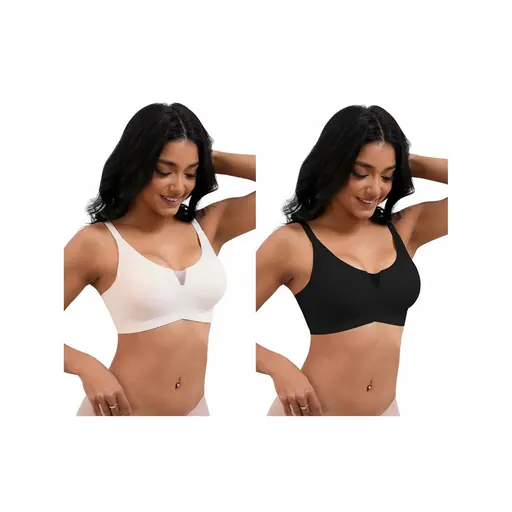
from the analysis of Amazon Essentials Women's Seamless Wirefree Padded Bra, Pack of 2Found in 3 products


Scan any product to see every ingredient explained — and healthier swaps.
Download on theApp Store GET IT ONGoogle Play