
Ingredient
Total Hardness
What is Total Hardness?
Total hardness refers to the concentration of calcium and magnesium ions in water. These minerals are naturally occurring and can enter water supplies through the dissolution of rocks and minerals.
Total hardness is measured to determine water quality, as it can affect taste and utility. Hard water is safe for consumption, but it may lead to limescale buildup in plumbing and interfere with soap efficiency.
When you see total hardness on a label, it indicates the mineral content of the water. It is often included in water reports to inform consumers about water quality.
Commonly found in: Bottled water, Tap water, Coffee, Tea, Cooking water, Ice cubes
What to watch
- High water hardness can cause scale deposits in pipes and appliances.
Benefits
- Provides essential calcium and magnesium.
- Improves taste for some people.
Total hardness in water is not directly regulated but included in consumer information for safety context.
Research indicates hard water may have health benefits due to mineral content, yet it can also be associated with maintenance issues in appliances.
Total hardness is mineral-based, making it compatible with vegan diets.
Sources: Questions and Answers about Hardness in Drinking Water
Scout's take
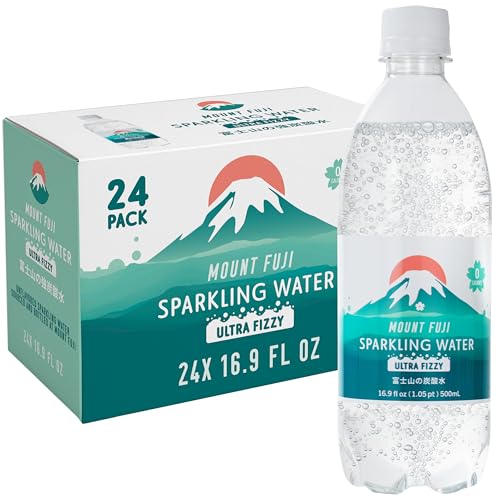
Total Hardness is a beneficial mineral. Reported value: 44.72 ppm.
Found in 1 product
Scan any product to see every ingredient explained — and healthier swaps.
Download on theApp Store GET IT ONGoogle Play