
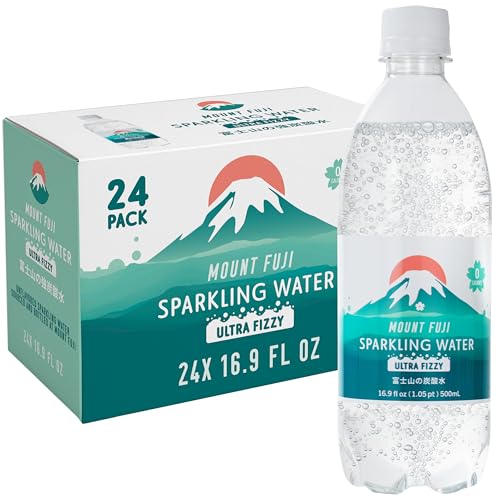



Fuji Mineral Water Plastic Bottle
At a glance
Summary
Fuji Mineral Water scores 58/100. Independent testing flagged 8 contaminants including arsenic ~98x the OEHHA health guideline, turbidity ~2x, vanadium ~3x, plus antimony, nickel, nitric/sodium-acid residues, and tin. Plastic bottle adds a likely microplastic risk.
Contaminants 2
Source: EWG
Arsenic 0.392 µg/L Low
Detected at a low level — 0.392 µg/L, roughly 25× below the EPA's enforceable drinking-water limit of 10 µg/L, though above the strictest precautionary public-health goal. Not an acute concern at this level, but lower is always better for arsenic, a known carcinogen.
Arsenic detected at 0.392 µg/L, more than 10× EWG's strict health guideline of 0.004 µg/L; below the EPA legal limit of 10 µg/L.
Antimony Detected Trace
Detected only in trace amounts near the detection limit — far below health-based exposure limits set by regulators such as the FDA, EPA, and EFSA. Not a meaningful health concern at normal use. Antimony detected at trace level (0.9 µg/L), well below typical safety concerns.
Independent third-party testing.
Key ingredients 16
Bicarbonate60.5 mg/LVery Good
Bicarbonate at 60.5 mg/L — beneficial mineral that supports hydration and electrolyte balance.
See more about Bicarbonate →Sodium acid0.323 mg/LGood
Sodium at 0.323 mg/L — supports electrolyte balance at this level.
See more about Sodium acid →Fluoride0.33 mg/LGood
Fluoride detected at 0.33 mg/L, below EWG's strict health guideline of 0.7 mg/L.
See more about Fluoride →Total Dissolved Solids (TDS)Good
Total Dissolved Solids (TDS) is a beneficial mineral. Reported value: 59.3 ppm.
See more about Total Dissolved Solids (TDS) →ChlorideGood
Chloride supports electrolyte balance, acid-base homeostasis, and proper nerve and muscle function. Reported value: 0.69 ppm.
See more about Chloride →SodiumGood
Sodium is an essential electrolyte for nerve transmission and fluid balance. Naturally occurring in mineral water at moderate levels. Reported value: 4.97 ppm.
See more about Sodium →Total HardnessGood
Total Hardness is a beneficial mineral. Reported value: 44.72 ppm.
See more about Total Hardness →BoronGood
Boron supports bone health, hormone regulation, and cognitive function at trace levels. Reported value: 0.01 ppm.
See more about Boron →PH=3,5Neutral
Unusual acidic-pH-related entry; warrants verification. Reported value: 7.95 ppm.
See more about PH=3,5 →Expanded RiceNeutral
Labeling artifact; not a meaningful drinking-water constituent. Reported value: 44.7 ppm.
See more about Expanded Rice →CarbonateNeutral
Carbonate is a natural buffering compound contributing to alkalinity. Reported value: 0.249 ppm.
See more about Carbonate →TurbidityBad
Elevated turbidity (suspended particulates) can shield pathogens from disinfection and indicates poor source quality. Reported value: 0.54 ppm (~2x guideline).
See more about Turbidity →NickelBad
Nickel can cause allergic contact dermatitis, respiratory sensitization, and has carcinogenic potential on inhalation. Reported value: 0.00031 ppm.
See more about Nickel →Nitric acidBad
Nitric acid is corrosive and indicates either contamination or industrial residue; not desirable in drinking water. Reported value: 0.52 ppm.
See more about Nitric acid →TinBad
Tin in water can come from packaging/equipment; gastrointestinal irritation is possible at higher doses. Reported value: 0.01 ppm.
See more about Tin →VanadiumVery Bad
Vanadium can be toxic at higher doses with respiratory and renal effects; not desirable in drinking water. Reported value: trace (~3x guideline).
See more about Vanadium →Processing
Unprocessed or Minimally Processed Foods
Get the full breakdown in the Scout appTake Scout shopping
Scan any product to see lab results, healthy alternatives, and your personalized analysis.
Download on theApp Store GET IT ONGoogle PlayAmazon pricing & content
Amazon price as of . Product prices and availability are accurate as of the date/time indicated and are subject to change. Any price and availability information displayed on Amazon.com at the time of purchase will apply to the purchase of this product.
CERTAIN CONTENT THAT APPEARS ON THIS SITE COMES FROM AMAZON. THIS CONTENT IS PROVIDED “AS IS” AND IS SUBJECT TO CHANGE OR REMOVAL AT ANY TIME.