
Ingredient
Tin
What is Tin?
Tin is a chemical element represented by the symbol Sn and is commonly found in the environment, mainly in its inorganic form. It is extracted from ores such as cassiterite and is used in a variety of industrial applications due to its ability to resist corrosion and facilitate soldering.
In food and beverage contexts, tin is sometimes used in the coating of food cans to prevent corrosion and maintain the metal’s integrity against acidic contents. There is limited evidence on the health impacts of tin when consumed at high levels, but typical dietary exposure is not considered harmful according to current regulations.
When you see tin on a label, it usually pertains to packaged goods stored under specific conditions that minimize exposure to air and moisture, such as canned foods and beverages.
Commonly found in: canned foods, beverage cans, packaged goods
What to watch
- High levels of tin exposure can cause digestive disturbances and organ toxicity, but such levels are typically not reached through diet alone.
The FDA allows the use of tin in food packaging, particularly in canned goods, under conditions that prevent consumer exposure to unsafe levels.
Most research finds low-level tin exposure through diet is generally safe, although some studies suggest potential risks at higher concentrations.
Tin is not derived from animal sources and is acceptable in vegan products.
Sources: Tin, elemental and inorganic compounds – Risk and Regulation
Scout's take
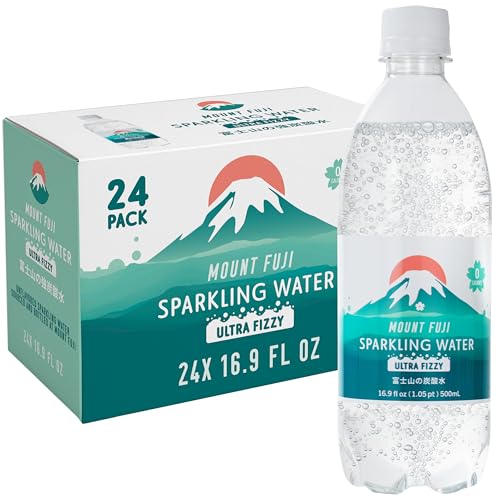
Tin in water can come from packaging/equipment; gastrointestinal irritation is possible at higher doses. Reported value: 0.01 ppm.
Found in 1 product
Scan any product to see every ingredient explained — and healthier swaps.
Download on theApp Store GET IT ONGoogle Play