
Ingredient
Turbidity
What is Turbidity?
Turbidity is a measure of how clear or cloudy a liquid is, often due to suspended particles. It is not an ingredient itself but rather a characteristic that can affect the appearance and perceived quality of products like water.
In the context of water, turbidity is used as an indicator of water quality. High turbidity levels might suggest the presence of particles, such as minerals, sediments, or microorganisms, which could impact taste and health safety. However, turbidity itself is not directly linked to any health effects.
When you see turbidity mentioned on a product label, it is typically a sign of transparency in quality monitoring, especially for beverages like bottled water.
Commonly found in: Bottled Water, Aquarium Supplies, Swimming Pool Chemicals, Laboratory Additives
Benefits
- Indicates water clarity, often used to assess contamination levels.
The FDA monitors water turbidity levels to ensure they meet safety and quality standards.
Research on turbidity focuses on water quality assessment, not direct health effects.
Turbidity is not related to animal-derived ingredients, posing no issues for vegan consumers.
Sources: Turbidity in Drinking Water: FAQ
Scout's take
Elevated turbidity (suspended particulates) can shield pathogens from disinfection and indicates poor source quality. Reported value: 0.54 ppm (~2x guideline).
More from Scout's analyses
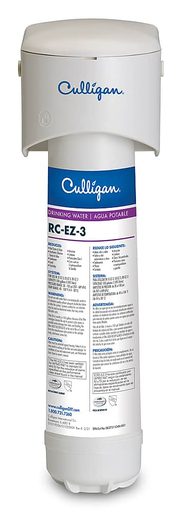
Turbidity can indicate the presence of harmful microorganisms. The filter is estimated to reduce turbidity by over 60%.
from the analysis of Culligan US-EZ Under-Sink Drinking Water FilterFound in 2 products
Scan any product to see every ingredient explained — and healthier swaps.
Download on theApp Store GET IT ONGoogle Play