
Ingredient
Volatile Essential Oils
What is Volatile Essential Oils?
Volatile essential oils are concentrated extracts taken from plants, capturing their aroma and flavor. They are usually obtained through steam distillation or cold pressing, depending on the plant material.
These oils are primarily used for their aromatic properties and flavor-enhancing capabilities in foods, cosmetics, and aromatherapy. The health effects of volatile essential oils can vary widely; some studies suggest potential benefits such as antimicrobial activity, while others indicate potential skin sensitivity or allergic reactions in certain individuals.
When you see volatile essential oils on a label, it's typically indicative of natural flavoring rather than synthetic, but the quality and source of the oils can vary, so it's essential to consider the context of the overall product.
Commonly found in: Spices, Cosmetics, Aromatherapy products, Fragrances, Herbal teas
What to watch
- May cause skin sensitivity or allergic reactions in some individuals.
Benefits
- Some essential oils have demonstrated antimicrobial properties.
Volatile essential oils are generally recognized as safe (GRAS) for their intended uses in foods.
Research shows both potential benefits like antimicrobial effects and risks such as allergies.
Volatile essential oils are plant-derived and generally considered vegan.
Sources: Essential Oils: Extraction, Bioactivities, and Their Uses for Food Preservation
Scout's take
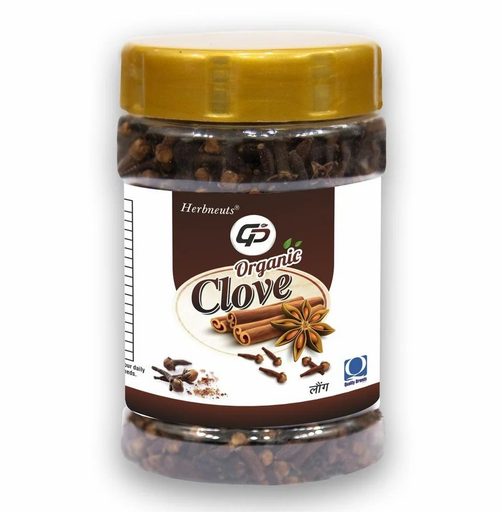
Whole cloves preserve eugenol and acetyl eugenol oils that degrade rapidly in ground form
Found in 1 product
Scan any product to see every ingredient explained — and healthier swaps.
Download on theApp Store GET IT ONGoogle Play