
Ingredient
Whole grain blend
What is Whole grain blend?
Whole grain blend typically includes a mixture of different whole grains such as oats, barley, and quinoa. These grains are used in their entirety, preserving the bran, germ, and endosperm, which are rich in nutrients.
Whole grain blend is used for its nutritional benefits and its ability to add texture and flavor to food products. Scientific research shows that consuming whole grains can contribute to heart health and weight management due to their fiber content.
When you see whole grain blend on a label, it indicates the product is made with nutrient-rich grains, which can be a healthier choice compared to refined grains.
Commonly found in: breakfast cereals, baked goods, granola bars, snack foods, side dishes
Benefits
- Rich in dietary fiber, which supports digestive health.
- Contains nutrients like vitamins and minerals that are beneficial for overall health.
- May help in reducing the risk of heart disease and maintaining a healthy weight.
The FDA recognizes whole grains as an important part of a healthy diet and allows health claims related to reduced risk of heart disease and certain cancers.
Research supports that whole grains provide essential nutrients and have health benefits, though individual responses can vary.
Whole grain blend is plant-based and generally considered vegan.
Sources: Whole Grains: Health Benefits
Scout's take
Whole grains are a source of dietary fiber and essential nutrients. They are minimally processed, retaining most of their natural nutrients. Consuming whole grains can support digestive health and provide sustained energy.
The case for
Rich in fiber and essential nutrients, supporting digestive health and providing sustained energy.
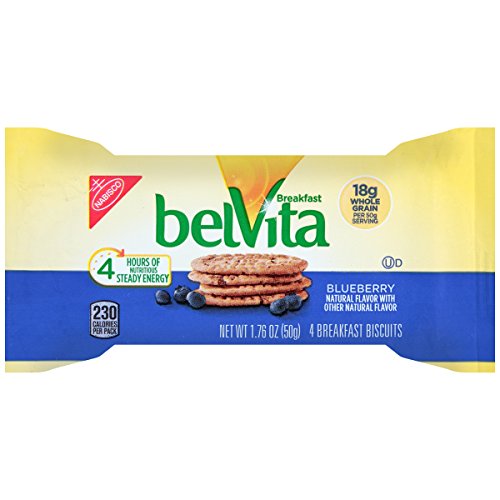
from the analysis of NABISCO BELVITA BREAKFAST SNACK BLUEBERRY 1X1.76 OZFound in 1 product
Scan any product to see every ingredient explained — and healthier swaps.
Download on theApp Store GET IT ONGoogle Play