
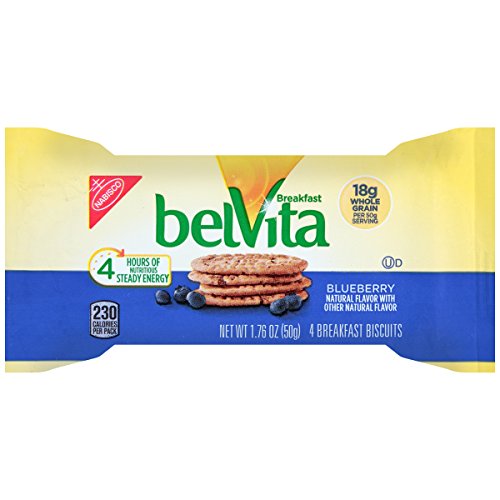



NABISCO BELVITA BREAKFAST SNACK BLUEBERRY 1X1.76 OZ
At a glance
Summary
This product is heavily processed, containing refined flour and canola oil, which are significant concerns due to their high processing level and potential health impacts. The presence of multiple forms of added sugars and several additives further contributes to its ultra-processed nature, limiting its nutritional value. While it includes some whole grains, the overall ingredient quality and processing level result in a low health score.
Key ingredients 20
Canola oilVery Bad
Canola oil is a seed oil high in omega-6 fatty acids, which can promote inflammation. It is often highly processed and refined. The extraction process may involve chemicals that can affect the oil's quality.
Risks
High omega-6 content may promote inflammation when consumed in excess.
SugarBad
Refined sugar contributes to empty calories and can lead to health issues like obesity and diabetes. It is highly processed and lacks nutritional value. Excessive consumption can lead to metabolic disorders.
Risks
May contribute to obesity, diabetes, and other metabolic disorders.
Evaporated cane sugarBad
Evaporated cane sugar is a less refined form of sugar but still contributes to high sugar intake. It is processed to remove impurities but retains some molasses content. Despite being less processed, it still poses similar health risks as refined sugar.
Risks
May contribute to obesity and metabolic disorders when consumed in excess.
Invert sugarBad
Invert sugar is a mixture of glucose and fructose, making it sweeter than regular sugar. It is highly processed and can contribute to excessive sugar intake. Its high sweetness can lead to overconsumption and related health issues.
Risks
May lead to excessive sugar intake and related health issues.
Soy lecithinBad
Soy lecithin is an emulsifier derived from soybeans, often used to stabilize processed foods. It is highly processed and may contain residues from extraction chemicals. While generally recognized as safe, it offers no significant nutritional benefits.
Risks
May contain residues from chemical extraction processes.
Natural flavorBad
Natural flavors are additives used to enhance taste, but their exact composition is often undisclosed. They are highly processed and can contain a variety of chemical compounds. The lack of transparency can be concerning for consumers seeking clean labels.
Risks
Lack of transparency in composition can be concerning for consumers.
Enriched flourNeutral
Enriched flour is refined flour with added vitamins and minerals. It lacks the fiber and nutrients found in whole grains. While it provides some essential nutrients, it is less beneficial than whole grain alternatives.
Risks
May contribute to blood sugar spikes due to its refined nature.
Benefits
Provides essential vitamins and minerals such as iron and B vitamins.
Dried blueberriesNeutral
Dried blueberries provide antioxidants and vitamins but often contain added sugars. They are processed to remove water, concentrating sugars and calories. While they offer some nutrients, the added sugars can diminish their health benefits.
Risks
May contain added sugars, increasing calorie content.
Benefits
Provides antioxidants and vitamins beneficial for health.
Malt syrupNeutral
Malt syrup is a sweetener derived from grains, often barley. It is less refined than some sweeteners but still contributes to sugar intake. It provides a distinct flavor and some nutrients but should be consumed in moderation.
Risks
Contributes to sugar intake, which can affect blood sugar levels.
Benefits
Provides a distinct flavor and some nutrients from grains.
Baking sodaNeutral
Baking soda is a leavening agent used in baking to help dough rise. It is a simple chemical compound with no significant nutritional value. It is generally safe in small amounts used in baking.
See more about Baking soda →SaltNeutral
Salt is used to enhance flavor and preserve food. It is a necessary nutrient but should be consumed in moderation to avoid health issues. Excessive intake can lead to hypertension and cardiovascular problems.
Risks
Excessive intake can lead to hypertension and cardiovascular problems.
Benefits
Essential for maintaining fluid balance and nerve function.
Disodium pyrophosphateNeutral
Disodium pyrophosphate is a leavening agent used in baking. It is a synthetic additive with no nutritional value. It is generally recognized as safe in small quantities used in food processing.
See more about Disodium pyrophosphate →DATEMNeutral
DATEM is an emulsifier used to improve dough strength and texture. It is a synthetic additive with no nutritional value. It is generally recognized as safe in small quantities used in food processing.
See more about DATEM →Blueberry juice concentrateNeutral
Blueberry juice concentrate is used for flavor and color, providing some antioxidants. It is processed to remove water, concentrating sugars and calories. While it offers some nutrients, the concentration process can reduce its overall health benefits.
Risks
Concentration process increases sugar content, which can affect blood sugar levels.
Benefits
Provides antioxidants and flavor, beneficial for health.
Ferric orthophosphateNeutral
Ferric orthophosphate is an iron supplement used to fortify foods. It is a synthetic compound that helps prevent iron deficiency. While beneficial for iron intake, it is less bioavailable than other forms of iron.
Risks
Excessive intake can lead to iron overload and related health issues.
Benefits
Helps prevent iron deficiency and supports healthy blood production.
Thiamin mononitrateNeutral
Thiamin mononitrate is a form of vitamin B1 used to fortify foods. It is essential for carbohydrate metabolism and nerve function. While beneficial, it is often added to processed foods to replace nutrients lost during processing.
Benefits
Supports carbohydrate metabolism and nerve function.
Whole grain blendGood
Whole grains are a source of dietary fiber and essential nutrients. They are minimally processed, retaining most of their natural nutrients. Consuming whole grains can support digestive health and provide sustained energy.
Benefits
Rich in fiber and essential nutrients, supporting digestive health and providing sustained energy.
NiacinamideGood
Vitamin B3 — evidence-backed skin and metabolic benefits.
Benefits
Supports energy metabolism and skin health.
Pyridoxine hydrochlorideGood
Beneficial ingredient — whole-food or functional value in this product class.
Benefits
Supports protein metabolism and cognitive development.
RiboflavinGood
Essential B vitamin — beneficial micronutrient.
Benefits
Supports energy production and cellular function.
Processing
Ultra-Processed Foods
Get the full breakdown in the Scout appTake Scout shopping
Scan any product to see lab results, healthy alternatives, and your personalized analysis.
Download on theApp Store GET IT ONGoogle PlayAmazon pricing & content
Amazon price as of . Product prices and availability are accurate as of the date/time indicated and are subject to change. Any price and availability information displayed on Amazon.com at the time of purchase will apply to the purchase of this product.
CERTAIN CONTENT THAT APPEARS ON THIS SITE COMES FROM AMAZON. THIS CONTENT IS PROVIDED “AS IS” AND IS SUBJECT TO CHANGE OR REMOVAL AT ANY TIME.