
Ingredient
Whole Grain Wheat Flour
What is Whole Grain Wheat Flour?
Whole Grain Wheat Flour is made by milling the entire wheat kernel, which includes the bran, germ, and endosperm. This process results in a flour that retains most of the nutrients found in wheat.
It is commonly used due to its nutritional benefits, offering more fiber, vitamins, and minerals compared to refined flours. Evidence suggests that consuming whole grains as part of a balanced diet may support heart health and help in maintaining a healthy weight.
When you see it on a label, it typically indicates a product that may be higher in fiber and nutrients, but it also contains gluten, which some individuals need to avoid due to celiac disease or gluten sensitivity.
Commonly found in: bread, pasta, baked goods, cereal, crackers
What to watch
- Contains gluten, which can cause adverse reactions in individuals with celiac disease or gluten sensitivity.
Benefits
- Rich in dietary fiber, which can help with digestion and maintaining a healthy weight.
- Contains essential nutrients like B vitamins, iron, and magnesium.
The FDA considers whole grain wheat flour to be a safe food ingredient, without requirements for special labeling.
Research supports whole grain consumption as beneficial for cardiovascular health and weight management.
Whole Grain Wheat Flour is plant-derived and is generally accepted in vegan diets.
Whole Grain Wheat Flour contains gluten, making it unsuitable for individuals with celiac disease or gluten intolerance.
Scout's take
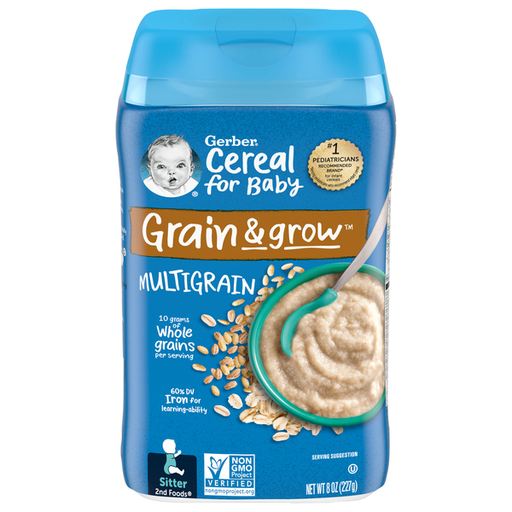
Whole grain providing fiber, B vitamins, and iron. Part of a diverse multigrain blend.
Found in 1 product
Scan any product to see every ingredient explained — and healthier swaps.
Download on theApp Store GET IT ONGoogle Play