Kodiak Cakes Flapjack Puffs Buttermilk
Swap it for
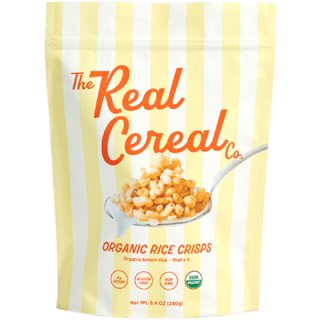
 The Real Cereal Co. Organic Rice Crisps The Real Cereal Co. · 3 pack View on Amazon See all Cereal, ranked
At a glance
Summary
This product is heavily penalized due to the presence of multiple industrial seed oils, including canola, sunflower, and soybean oils, which are associated with inflammation and are highly processed. Additionally, the inclusion of refined sugar and natural flavors further detracts from its health profile. Despite some beneficial ingredients like whole grain flours and proteins, the overall ultra-processed nature and presence of harmful ingredients significantly lower its score.
Key ingredients 14
Canola and/or Sunflower and/or Soybean OilVery Bad
These oils are classified as seed oils, which are high in omega-6 fatty acids and can promote inflammation. They are often extracted using high heat and chemicals, which can degrade their quality. Regular consumption of these oils is linked to negative health outcomes.
Risks
High omega-6 content may promote inflammation when consumed in excess.
SugarBad
Sugar is a refined carbohydrate that can contribute to weight gain and metabolic issues. It provides empty calories without essential nutrients. Excessive consumption is linked to various health problems, including diabetes and heart disease.
Risks
Excessive sugar intake is associated with increased risk of obesity, type 2 diabetes, and heart disease.
Natural FlavorBad
Natural flavors are often used to enhance taste but can be derived from complex chemical processes. They lack transparency regarding their specific composition. Regular consumption of products with natural flavors may lead to overconsumption of processed foods.
Risks
Lack of transparency in ingredient sourcing and potential for overconsumption of processed foods.
WaterNeutral
Water is a neutral ingredient used as a solvent and to provide moisture. It does not contribute any nutritional value. It is essential for the consistency of the product.
See more about Water →Pea ProteinNeutral
Pea protein is a plant-based protein source that provides essential amino acids. It is less allergenic compared to soy or dairy proteins. It is a good option for vegetarians and vegans.
Risks
May not provide as complete an amino acid profile as animal-based proteins.
Benefits
Offers a plant-based protein option with essential amino acids.
Vital Wheat GlutenNeutral
Vital wheat gluten is used to improve the texture and elasticity of baked goods. It is a concentrated source of gluten protein. It is beneficial for creating a chewy texture in products.
Risks
Contains gluten, which can be a concern for individuals with celiac disease or gluten sensitivity.
Benefits
Improves texture and elasticity in baked goods.
LeaveningNeutral
Leavening agents like baking soda and sodium acid pyrophosphate are used to help baked goods rise. They are generally recognized as safe when used in moderation. They contribute to the texture and volume of the product.
Risks
Excessive consumption may lead to digestive discomfort.
Xanthan GumNeutral
Xanthan gum is a common food additive used as a thickener and stabilizer. It is produced through fermentation of sugars by bacteria. It is generally recognized as safe in small amounts.
Risks
Excessive consumption may cause digestive issues such as bloating or gas.
Whole Grain Wheat FlourGood
Whole grain wheat flour is a good source of dietary fiber and essential nutrients. It is less processed than refined flour, retaining more nutrients. It supports digestive health and provides sustained energy.
Risks
May contain gluten, which can be a concern for individuals with celiac disease or gluten sensitivity.
Benefits
Rich in fiber, vitamins, and minerals, supporting overall health and digestion.
ButtermilkGood
Buttermilk is a fermented dairy product that provides probiotics and nutrients like calcium and vitamin B12. It is beneficial for gut health and bone strength. The fermentation process enhances its digestibility.
Risks
Contains lactose, which may be a concern for lactose-intolerant individuals.
Benefits
Rich in probiotics and essential nutrients, supporting gut health and bone strength.
Whole Grain Oat FlourGood
Whole grain oat flour is rich in fiber and beta-glucans, which support heart health. It is minimally processed, retaining its nutritional value. Oats are known for their cholesterol-lowering properties.
Risks
May contain gluten if not certified gluten-free.
Benefits
Supports heart health and provides sustained energy due to its fiber content.
Whey Protein ConcentrateGood
Whey protein concentrate is a high-quality protein source with a complete amino acid profile. It supports muscle growth and recovery. It is derived from milk and is easily digestible.
Risks
Contains lactose, which may be a concern for lactose-intolerant individuals.
Benefits
Supports muscle growth and recovery with its high-quality protein content.
EggsVery Good
Eggs are a high-quality protein source with a complete amino acid profile. They provide essential nutrients like choline and vitamin D. Eggs are versatile and support muscle growth and repair.
Risks
Potential allergen for some individuals.
Benefits
Excellent source of protein and essential nutrients, supporting overall health.
Egg WhitesVery Good
Minimally processed whole-food ingredient.
Risks
Potential allergen for some individuals.
Benefits
Provides high-quality protein without fat or cholesterol.
Processing
Ultra-Processed Foods
Get the full breakdown in the Scout appTake Scout shopping
Scan any product to see lab results, healthy alternatives, and your personalized analysis.
Are you Kodiak Cakes? Fix an error Get the badge Get tested
Amazon pricing & content
CERTAIN CONTENT THAT APPEARS ON THIS SITE COMES FROM AMAZON. THIS CONTENT IS PROVIDED “AS IS” AND IS SUBJECT TO CHANGE OR REMOVAL AT ANY TIME.