
Ingredient
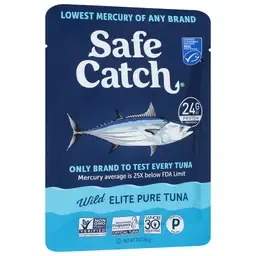
Wild-Caught Tuna
What is Wild-Caught Tuna?
Wild-Caught Tuna refers to tuna that is caught in its natural ocean habitat, as opposed to being farmed in controlled environments. This method of fishing is often considered more sustainable when done with practices that minimize bycatch and support the health of ocean ecosystems.
Wild-Caught Tuna is valued for its lean protein content and rich flavor, making it a popular choice in various diets. It is often preferred over farmed tuna due to concerns about aquaculture practices and potential antibiotic use in farming.
When choosing wild-caught tuna, sourcing from fisheries that adhere to sustainable practices can help promote environmental responsibility. Consumers should also consider mercury exposure, as larger tuna species can accumulate higher levels of mercury.
Commonly found in: Canned tuna, Fresh tuna steaks, Sushi, Salads, Sandwiches
What to watch
- Mercury exposure is a concern due to bioaccumulation in larger tuna species.
Benefits
- High in protein and omega-3 fatty acids, beneficial for heart health.
- Generally considered more sustainable than farmed alternatives when responsibly sourced.
FDA advises limiting tuna consumption due to mercury content, especially for pregnant women and children.
While rich in nutrients, studies highlight the need to manage mercury intake through mindful consumption.
Tuna is an animal-derived product and not suitable for a vegan diet.
Scout's take
High protein, omega-3, and selenium; responsible sourcing verified
Found in 1 product
Scan any product to see every ingredient explained — and healthier swaps.
Download on theApp Store GET IT ONGoogle Play