
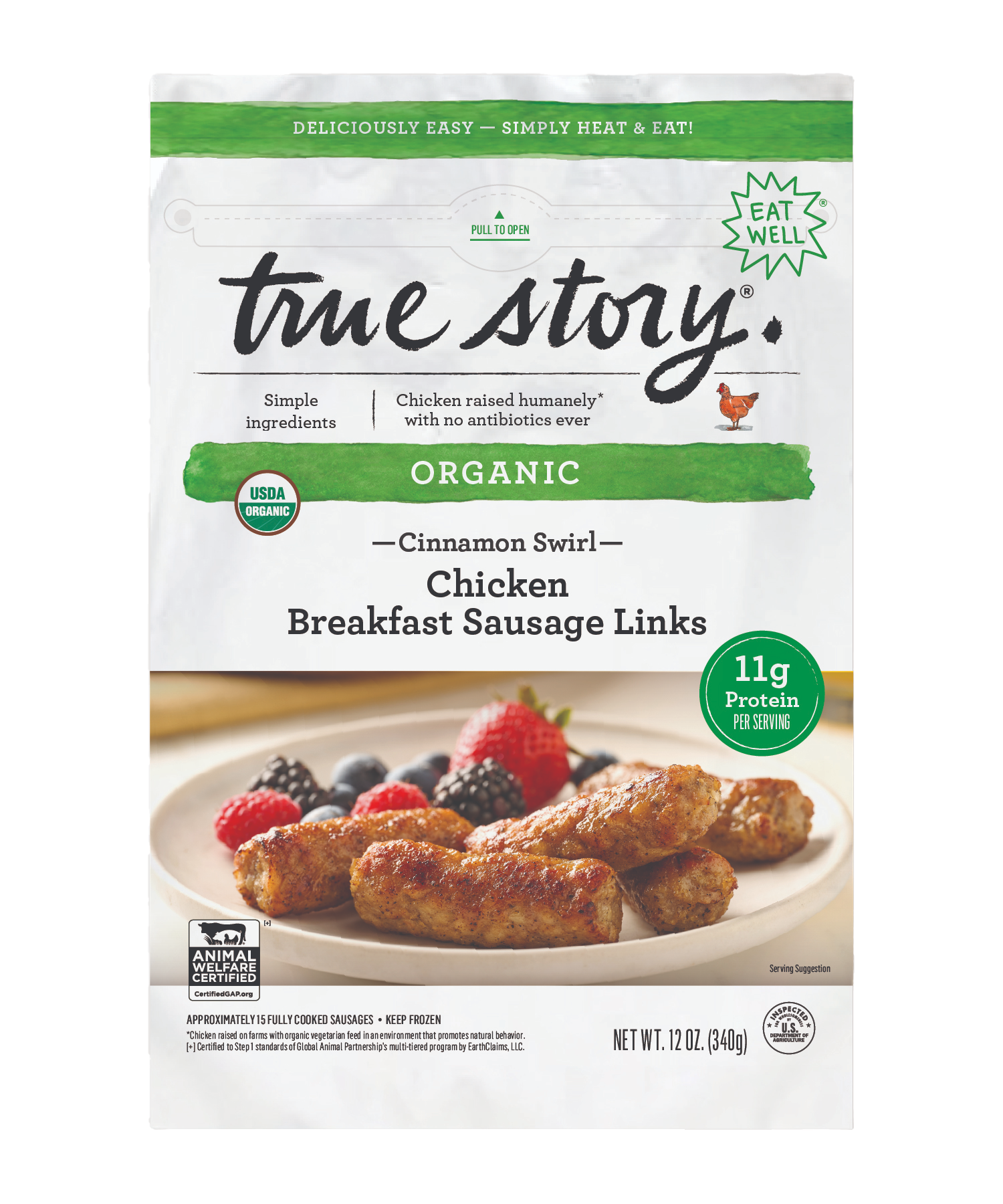


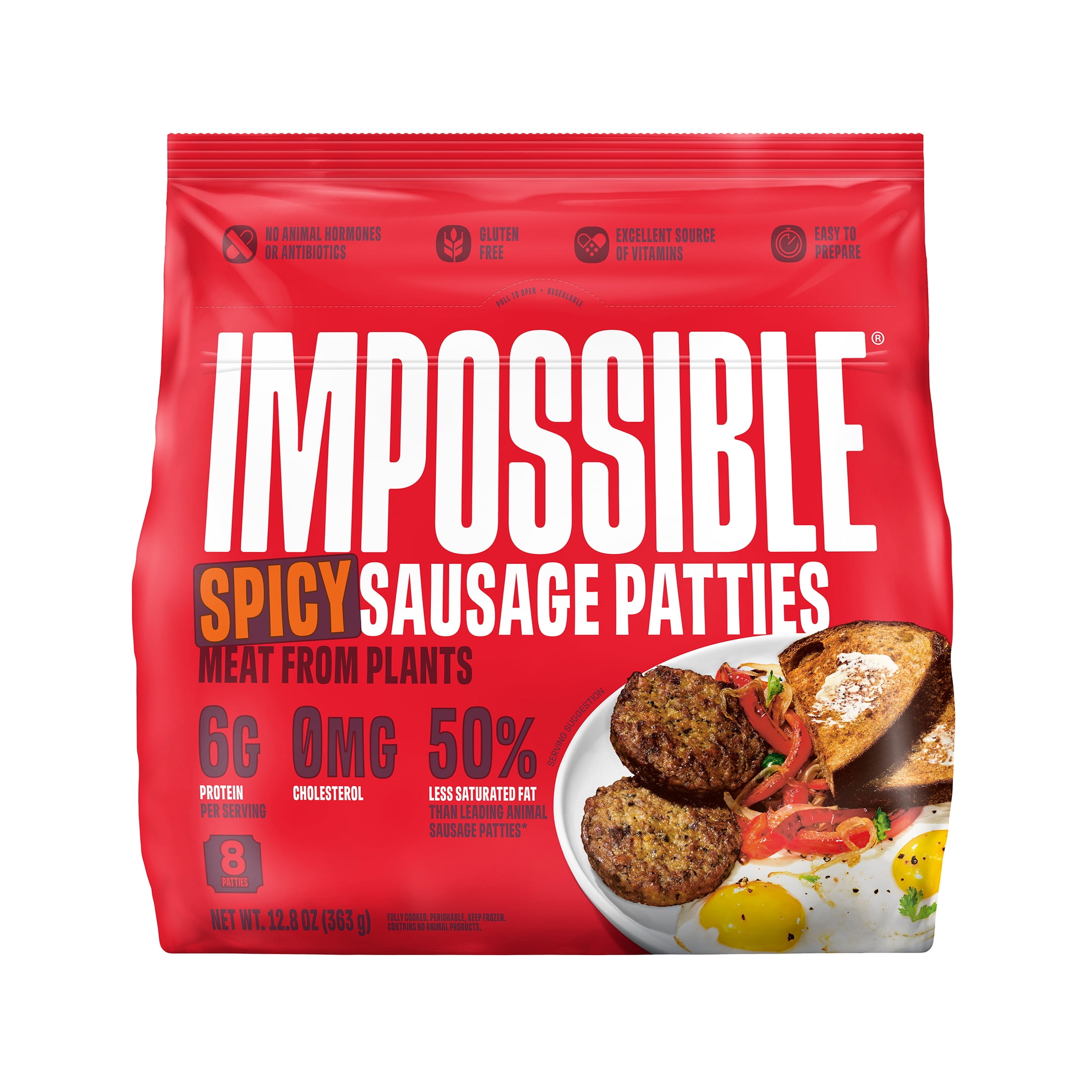
Chicken Breakfast Sausage
Near you
Trader Joe's is carried at Trader Joe stores. Find one within 25 miles.
Summary
This chicken breakfast sausage is heavily processed, which limits its health rating despite having a good protein content. The presence of dextrose and natural flavors, both of which are considered less desirable due to their processing and potential health impacts, further affects the score. While the use of chicken as a primary ingredient is beneficial, the overall processing level and inclusion of additives like silicon dioxide contribute to a lower rating.
At a glance
Key ingredients 8
ChickenGood
Chicken is a high-quality source of animal protein, providing essential amino acids. It is generally considered a lean meat, which can be beneficial for maintaining muscle mass. The quality of chicken can vary based on farming practices, with organic or pasture-raised options being preferable.
Risks
Potential risks include contamination with bacteria like Salmonella if not cooked properly.
Benefits
Rich in protein, which is essential for muscle repair and growth. Contains vitamins and minerals such as B vitamins and selenium.
Potato starchNeutral
Potato starch is used as a thickening agent and provides texture to processed foods. It is a refined carbohydrate with minimal nutritional value. It is generally considered safe but offers little in terms of health benefits.
See more about Potato starch →Sea saltGood
Unrefined sea salt — a minimally processed, natural source of sodium and essential trace minerals, and a legitimate whole-food seasoning. Treated as a positive ingredient.
Risks
Excessive intake can contribute to high blood pressure and cardiovascular issues.
Benefits
Provides essential sodium needed for various bodily functions.
DextroseBad
Dextrose is a simple sugar derived from corn and used as a sweetener. It can contribute to increased blood sugar levels and is often used in processed foods. Regular consumption of added sugars like dextrose can lead to health issues such as obesity and diabetes.
Risks
High intake can lead to weight gain, insulin resistance, and increased risk of metabolic disorders.
Benefits
Provides quick energy but lacks other nutritional benefits.
Potassium chlorideNeutral
Potassium chloride is used as a salt substitute to reduce sodium content in foods. It provides potassium, an essential mineral for heart and muscle function. However, excessive intake can lead to hyperkalemia, especially in individuals with kidney issues.
Risks
Excessive consumption can cause hyperkalemia, which can be dangerous for individuals with kidney problems.
Benefits
Helps maintain electrolyte balance and supports heart health.
Natural flavorsBad
Natural flavors are additives used to enhance taste, but their exact composition is often undisclosed. They can contain a variety of chemicals and are considered highly processed. The lack of transparency and potential for allergenic compounds are concerns.
Risks
May contain undisclosed allergens or chemicals that could cause sensitivities.
Silicon dioxideNeutral
Silicon dioxide is used as an anti-caking agent to prevent clumping in powdered ingredients. It is generally recognized as safe by food safety authorities. It is inert and does not provide nutritional benefits.
See more about Silicon dioxide →Beef collagen casingNeutral
Beef collagen casing is used to encase sausages and is derived from animal collagen. It is edible and provides a natural casing alternative to synthetic options. It does not significantly impact the nutritional profile of the product.
Benefits
Provides a natural casing option for sausages.
Processing
Ultra-Processed Foods
Get the full breakdown in the Scout app
Scan any product to see lab results, healthy alternatives, and your personalized analysis.
Download on theApp Store