
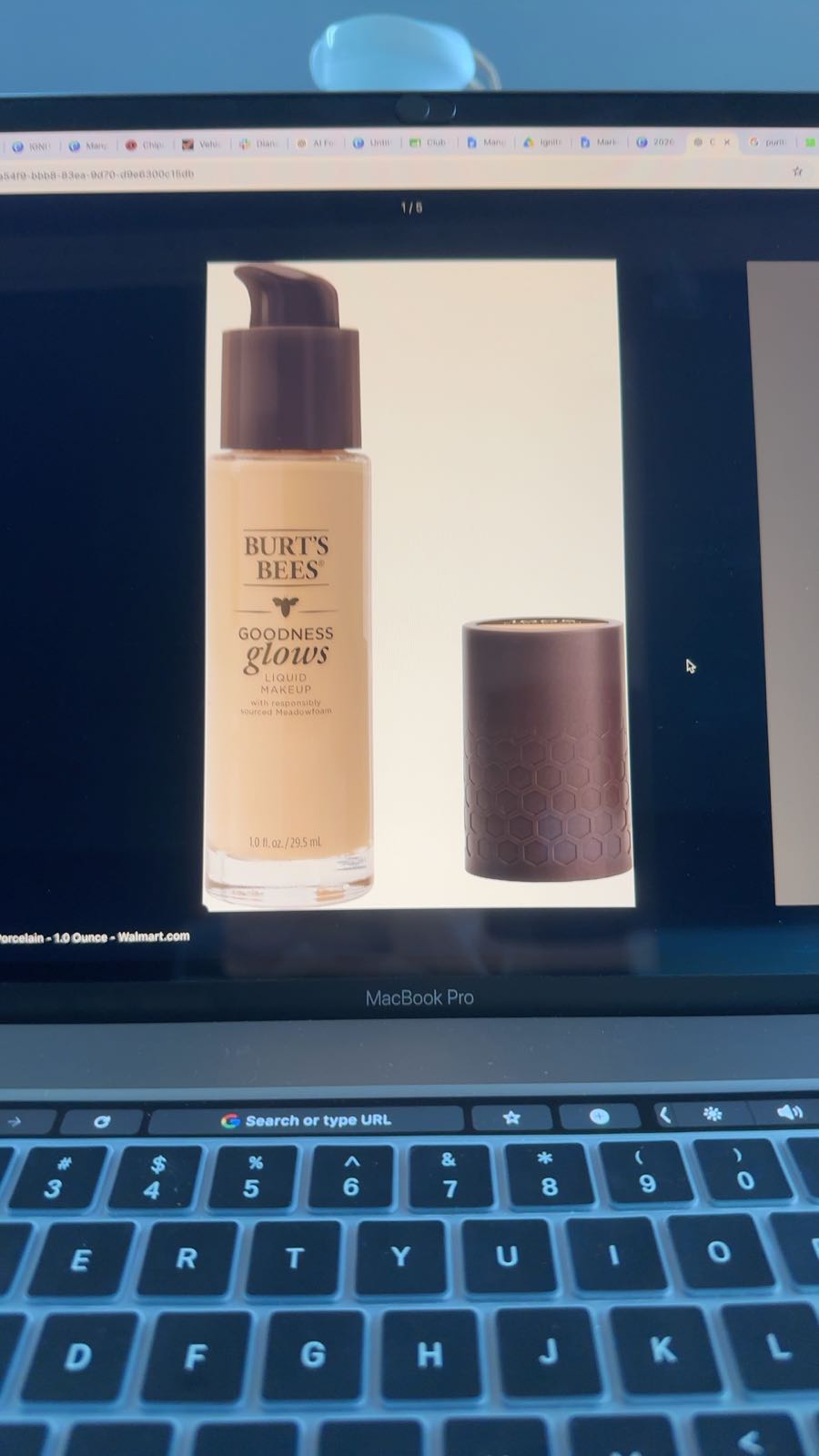
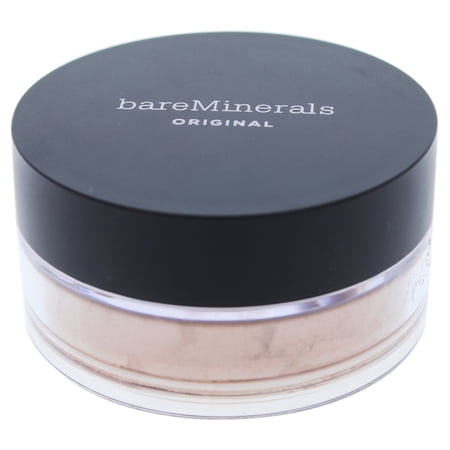
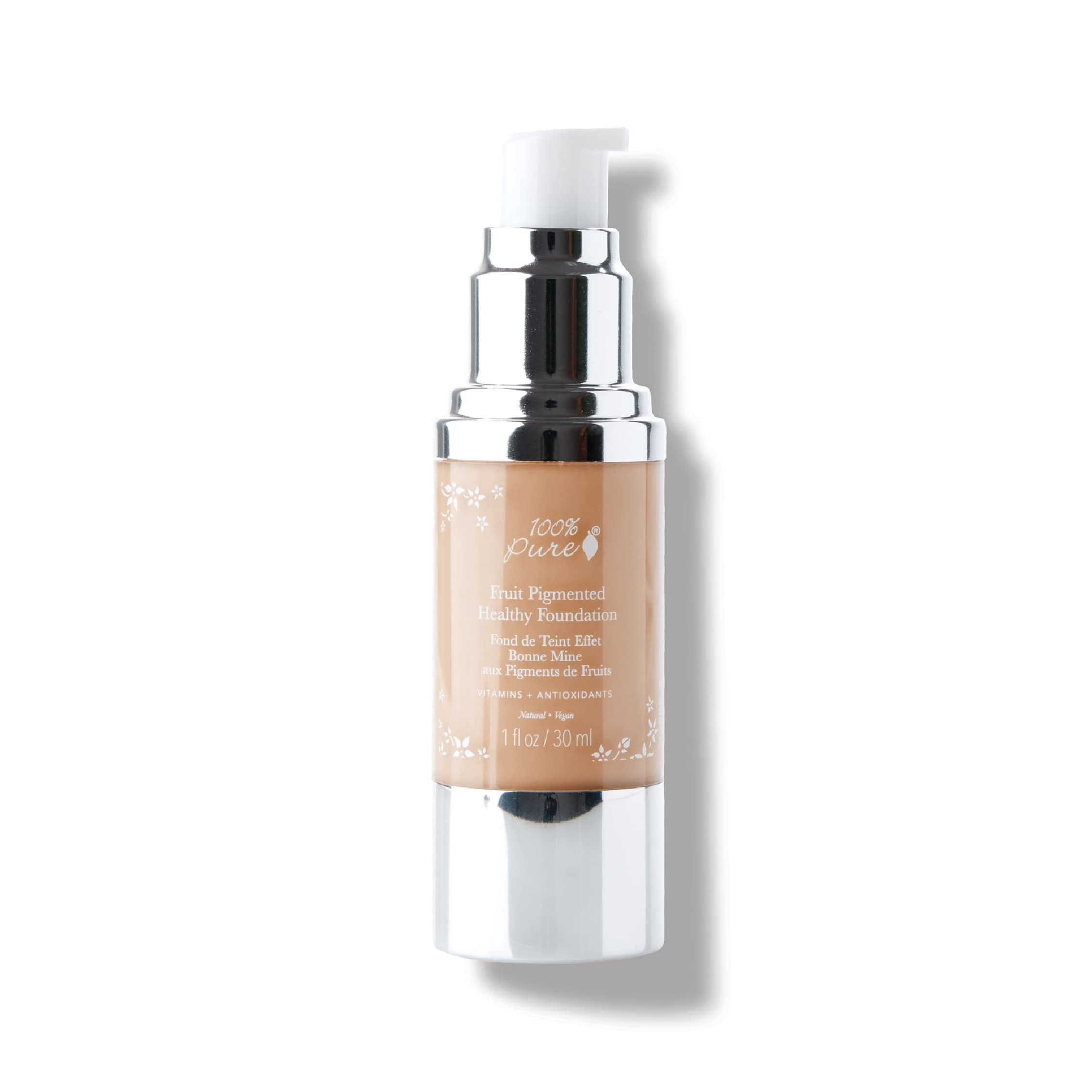
COVERGIRL + Olay Simply Ageless Wrinkle Defying Foundation Compact - 240 Natural Beige - 0.4oz
Summary
This foundation contains some beneficial ingredients like niacinamide and acetyl glucosamine, which are known for their skin-enhancing properties. However, the presence of talc, a controversial ingredient due to potential contamination risks, and synthetic compounds like cyclopentasiloxane and PEG-9 polydimethylsiloxyethyl dimethicone, which are associated with moderate safety concerns, lowers its overall safety profile. The product is moderately processed, which further impacts its rating.
At a glance
Key ingredients 12
Water
Water is a common solvent used in cosmetics to dissolve other ingredients. It helps in the application and absorption of the product. It is generally considered safe and non-irritating.
Risks
There are no significant risks associated with water in cosmetics.
Benefits
Water helps in hydrating the skin and improving the texture of the product.
Cyclopentasiloxane
Cyclopentasiloxane is a silicone-based compound used to provide a smooth application and silky feel. It evaporates quickly, leaving no residue on the skin. It is generally considered safe for use in cosmetics.
Risks
There are concerns about bioaccumulation in the environment, but it is considered safe for human use.
Benefits
It improves the spreadability of the product and provides a smooth finish.
Talc
Talc is a mineral used for its absorbent properties and to improve the texture of cosmetic products. It is often used in powders and foundations. However, there are concerns about contamination with asbestos.
Risks
Talc can be contaminated with asbestos, a known carcinogen, which poses a significant health risk.
Benefits
Talc helps in absorbing moisture and provides a smooth, matte finish.
Butylene Glycol
Butylene Glycol is a common humectant used to retain moisture in the skin. It also helps in improving the texture and spreadability of the product. It is generally considered safe for use in cosmetics.
Risks
In rare cases, it can cause skin irritation or allergic reactions.
Benefits
It helps in keeping the skin hydrated and enhances the product's application.
Niacinamide
Niacinamide is a form of Vitamin B3 known for its anti-inflammatory and skin-soothing properties. It helps in improving skin texture and reducing the appearance of fine lines. It is highly regarded in skincare for its multiple benefits.
Risks
There are minimal risks associated with niacinamide, though it can cause mild irritation in sensitive individuals.
Benefits
It improves skin elasticity, enhances barrier function, and reduces redness and blotchiness.
Euphorbia Cerifera Wax
Euphorbia Cerifera Wax, also known as Candelilla Wax, is used as a thickening agent and emollient in cosmetics. It helps in providing a smooth texture and consistency to the product. It is derived from the leaves of the Candelilla shrub.
Risks
There are no significant risks associated with this ingredient.
Benefits
It provides a protective barrier on the skin and helps in retaining moisture.
Isotridecyl Isononanoate
Isotridecyl Isononanoate is an emollient used to enhance the spreadability and texture of cosmetic products. It provides a silky feel and helps in moisturizing the skin. It is considered safe for use in cosmetics.
Risks
There are no significant risks associated with this ingredient.
Benefits
It improves the texture of the product and provides a smooth, non-greasy finish.
Ozokerite
Ozokerite is a mineral wax used to thicken and stabilize cosmetic formulations. It helps in providing structure and consistency to the product. It is generally considered safe for use in cosmetics.
Risks
There are no significant risks associated with this ingredient.
Benefits
It helps in maintaining the product's form and enhances its application.
Acetyl Glucosamine
Acetyl Glucosamine is an amino sugar that helps in improving skin hydration and reducing the appearance of fine lines. It is often used in anti-aging products for its skin-rejuvenating properties. It is considered safe for use in cosmetics.
Risks
There are minimal risks associated with this ingredient, though it can cause mild irritation in sensitive individuals.
Benefits
It enhances skin hydration and supports the skin's natural repair processes.
Silica
Silica is used in cosmetics for its oil-absorbing properties and to improve the texture of the product. It helps in providing a matte finish and reducing shine. It is generally considered safe for use in cosmetics.
Risks
Inhalation of silica particles can pose respiratory risks, but this is not a concern in cream-based products.
Benefits
It helps in controlling oil and provides a smooth, matte finish.
PEG-9 Polydimethylsiloxyethyl Dimethicone
PEG-9 Polydimethylsiloxyethyl Dimethicone is a silicone-based polymer used to improve the texture and spreadability of cosmetic products. It provides a smooth, silky feel and enhances the product's application. It is generally considered safe for use in cosmetics.
Risks
There are concerns about the potential for skin irritation and environmental impact.
Benefits
It improves the product's texture and provides a smooth application.
Sorbitan
Sorbitan is an emulsifier used to stabilize cosmetic formulations and improve texture. It helps in blending oil and water components in the product. It is generally considered safe for use in cosmetics.
Risks
There are no significant risks associated with this ingredient.
Benefits
It helps in maintaining the stability and consistency of the product.
Processing
Processed Foods
Get the full breakdown in the Scout app
Scan any product to see lab results, healthy alternatives, and your personalized analysis.
Download on theApp Store