
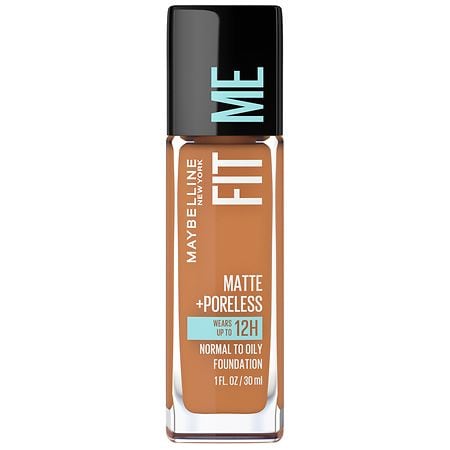
L.A. Colors Liquid Makeup, BLM284 Deep Beige, 1.11 fl oz

60 Fair
View on Amazon
Verified Amazon match

Summary

This foundation contains a mix of synthetic ingredients such as paraffinum liquidum and PEG compounds, which are common in cosmetics but can be concerning due to potential skin irritation and environmental impact. The presence of glycerin and silica provides some skin benefits, but the overall formulation lacks natural oils or botanicals that would enhance its safety profile. The product is moderately processed, which affects its overall rating.

At a glance

Beneficial ingredients 0
Harmful ingredients 0
Category Foundation

Key ingredients 12

Aqua (Water)

Aqua is the most common solvent used in cosmetics. It helps dissolve other ingredients and provides a base for the formulation. It is generally considered safe and non-irritating.

Risks

There are no significant risks associated with water in cosmetics.

Benefits

Water helps to hydrate the skin and is essential for the formulation of most cosmetic products.

See more about Aqua (Water) →
Ethylhexyl Palmitate

Ethylhexyl Palmitate is an ester of 2-ethylhexyl alcohol and palmitic acid. It is used as an emollient and thickening agent in cosmetics. It provides a smooth application and helps to soften the skin.

Risks

It may cause mild irritation in sensitive individuals.

Benefits

It enhances the texture of the product and provides a silky feel to the skin.

See more about Ethylhexyl Palmitate →
Isohexadecane

Isohexadecane is a high-purity, iso-paraffin emollient. It is used to improve the texture and spreadability of cosmetic products. It is lightweight and non-greasy.

Risks

There are minimal risks, though it can cause mild irritation if used in high concentrations.

Benefits

It provides a silky, smooth feel and helps to reduce the greasy feel of other oils in the formulation.

See more about Isohexadecane →
Isododecane

Isododecane is a hydrocarbon used as an emollient and solvent. It helps to create a lightweight, non-greasy feel in cosmetics. It evaporates quickly, leaving a smooth finish.

Risks

It can cause mild irritation if it comes into contact with the eyes.

Benefits

It enhances the spreadability of the product and provides a matte finish.

See more about Isododecane →
Glycerin

Glycerin is a humectant that attracts moisture to the skin. It is widely used in cosmetics for its hydrating properties. It helps to maintain the skin's moisture balance.

Risks

There are minimal risks, though it can be sticky if used in high concentrations.

Benefits

It helps to keep the skin hydrated and soft, improving the overall texture of the skin.

See more about Glycerin →
Hexyl Laurate

Hexyl Laurate is an ester used as an emollient and thickening agent. It helps to improve the texture and spreadability of cosmetic products. It provides a smooth, silky feel.

Risks

It may cause mild irritation in sensitive skin types.

Benefits

It enhances the sensory properties of the product, making it feel luxurious on the skin.

Silica

Silica is a mineral used as a thickening agent and absorbent. It helps to control the viscosity of the product and provides a matte finish. It is commonly used in makeup for its oil-absorbing properties.

Risks

Inhalation of silica particles can be harmful, but this is not a concern in liquid formulations.

Benefits

It helps to control shine and provides a smooth, matte finish to the skin.

See more about Silica →
Polyglyceryl-3 Diisostearate

Polyglyceryl-3 Diisostearate is an emulsifier used to stabilize formulations. It helps to blend oil and water components in cosmetics. It is derived from natural sources and is considered safe.

Risks

There are minimal risks associated with this ingredient.

Benefits

It helps to maintain the stability and consistency of the product.

See more about Polyglyceryl-3 Diisostearate →
Peg-30

PEG-30 is a polyethylene glycol used as an emulsifier and thickener. It helps to stabilize formulations and improve texture. It is commonly used in cosmetics for its versatility.

Risks

There is a potential risk of contamination with 1,4-dioxane, a byproduct of ethoxylation.

Benefits

It enhances the texture and stability of the product, ensuring a smooth application.

Paraffinum Liquidum

Paraffinum Liquidum, also known as mineral oil, is used as an emollient and moisturizer. It forms a barrier on the skin to prevent moisture loss. It is highly refined and considered safe for use in cosmetics.

Risks

It can potentially clog pores and cause breakouts in acne-prone skin.

Benefits

It provides a protective barrier and helps to lock in moisture, keeping the skin hydrated.

Ceteareth-25

Ceteareth-25 is an emulsifying agent used to blend oil and water components. It helps to stabilize formulations and improve texture. It is derived from fatty alcohols and ethylene oxide.

Risks

There is a potential risk of contamination with 1,4-dioxane, a byproduct of ethoxylation.

Benefits

It helps to maintain the consistency and stability of the product.

Sorbitan Sesquioleate

Sorbitan Sesquioleate is an emulsifier used to stabilize formulations. It helps to blend oil and water components in cosmetics. It is derived from sorbitol and oleic acid.

Risks

There are minimal risks associated with this ingredient.

Benefits

It helps to maintain the stability and consistency of the product.

Processing

Group 3 · Processed

Processed Foods

Get the full breakdown in the Scout app

Scan any product to see lab results, healthy alternatives, and your personalized analysis.

Download on theApp Store