
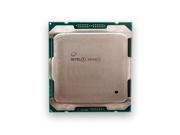


Intel Xeon E5205 1.86/6M/1066 2C 65W for PowerEdge 2900 III
Analysis updated June 2026 · How Scout scores
At a glance
Summary
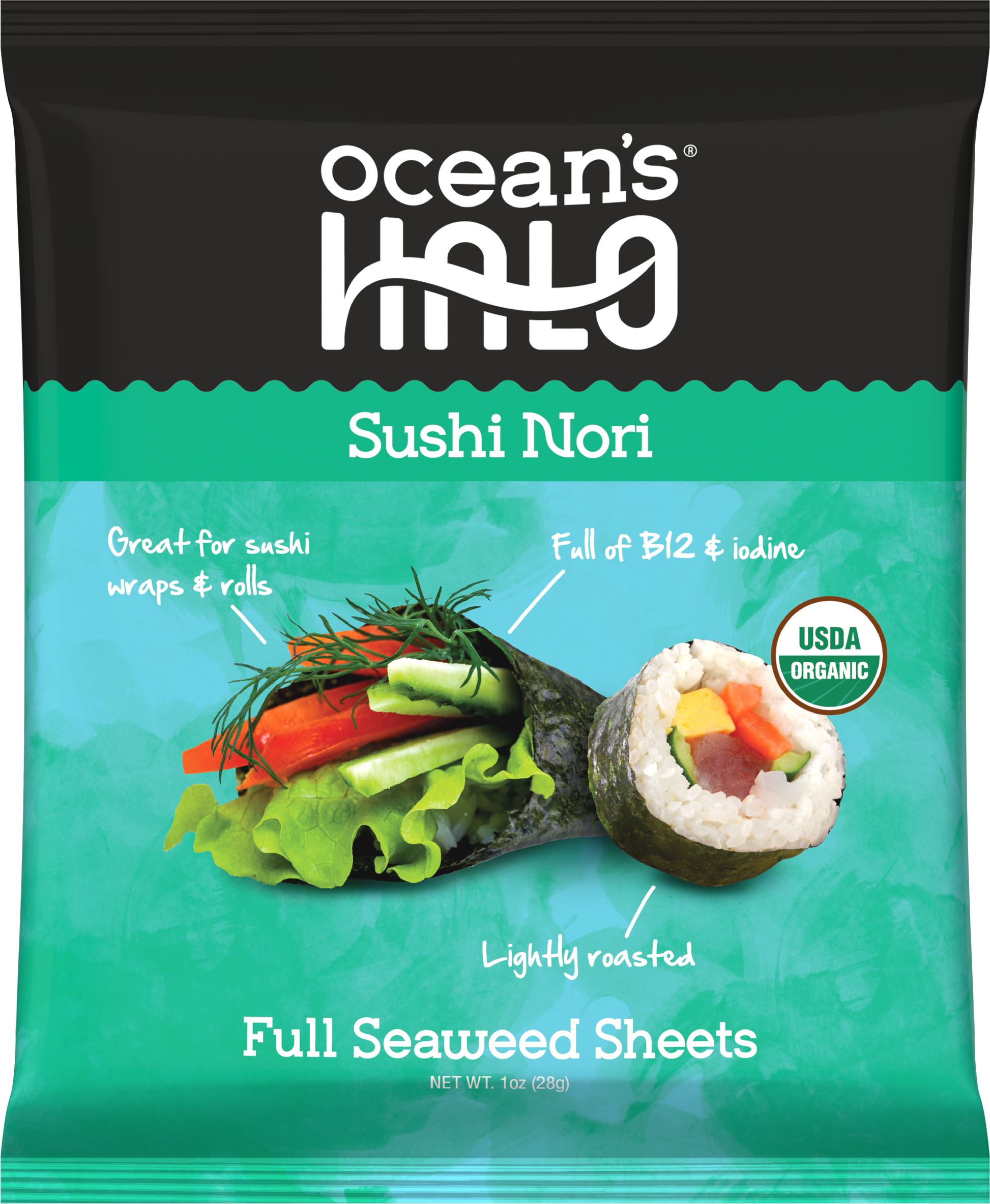
The product contains organic seaweed, which is a nutrient-dense and minimally processed ingredient, contributing positively to its health profile. However, the use of organic sunflower oil, a seed oil high in omega-6 fatty acids, detracts from the overall score due to its potential to promote inflammation and its highly processed nature. The presence of sea salt is neutral, but the processing level and the inclusion of sunflower oil prevent a higher rating.
Key ingredients 3
Organic SeaweedGood
Organic seaweed is rich in minerals and nutrients, making it a healthy addition to diets.
Sea SaltGood
Beneficial ingredient — whole-food or functional value in this product class.
See more about Sea Salt →Organic Sunflower OilVery Bad
While sunflower oil provides fats, it is highly processed and may contain unhealthy trans fats or oxidized compounds.
See more about Organic Sunflower Oil →Processing
Processed Culinary Ingredients
Get the full breakdown in the Scout appTake Scout shopping
Scan any product to see lab results, healthy alternatives, and your personalized analysis.
Download on theApp Store GET IT ONGoogle Play