
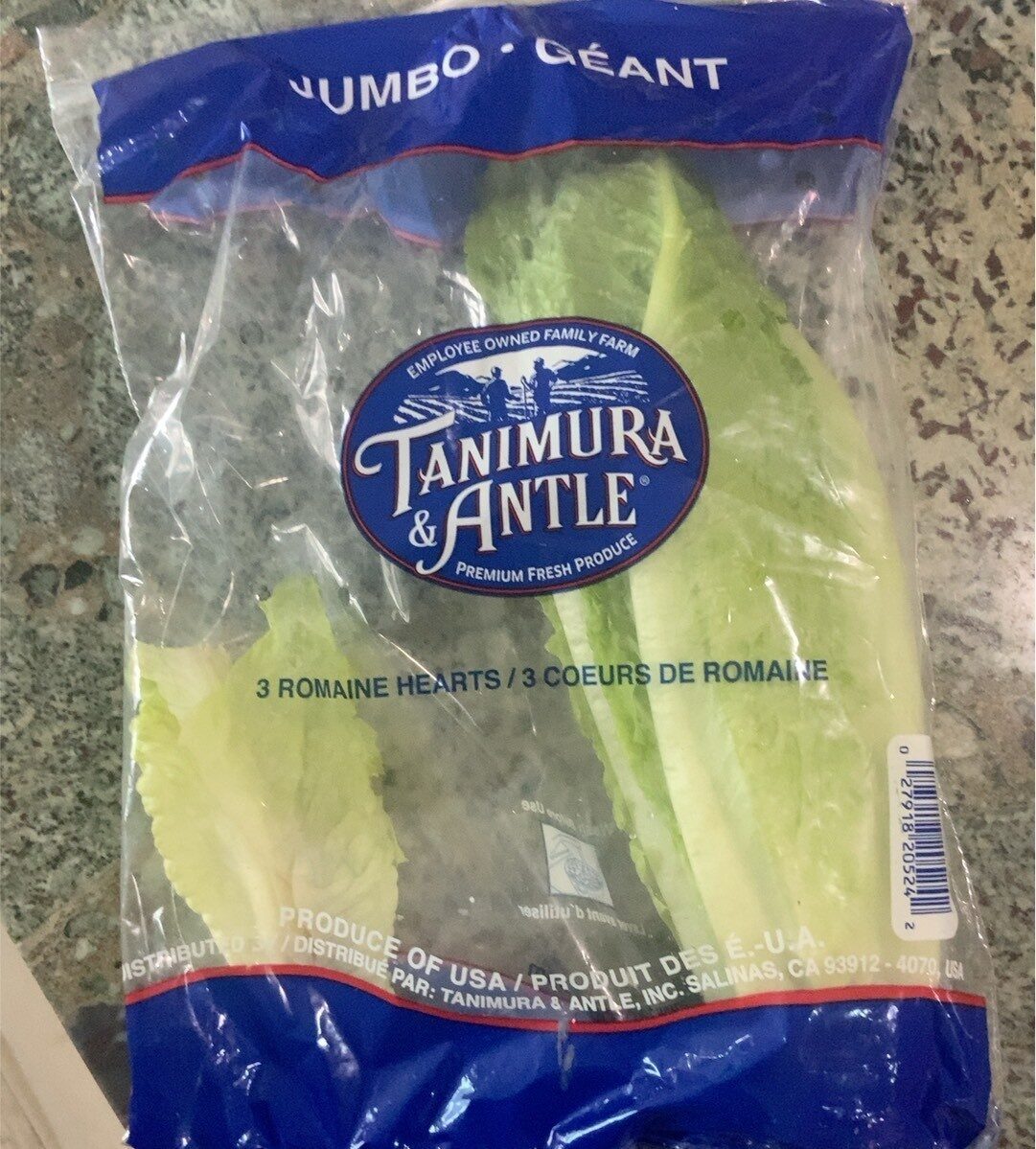
Celery hearts

75 Good
$3.87 · 16 oz
View on Amazon
Verified Amazon match

Summary

This product contains beneficial ingredients like celery hearts, which are rich in vitamins and minerals, and pepper, which has antioxidant properties. However, the inclusion of vegetable oil, which is highly processed and can promote inflammation, lowers the overall healthiness. The processing level of the product also limits its score, despite the presence of some nutritious components.

At a glance

Beneficial ingredients 3
Harmful ingredients 1
Category Vegetables

Key ingredients 11

Celery hearts
Very Good

Celery hearts are a low-calorie vegetable rich in vitamins and minerals. They provide dietary fiber, which supports digestive health. Being minimally processed, they retain most of their natural nutrients.

Benefits

Rich in vitamins K and C, and a good source of dietary fiber, which aids in digestion and supports overall health.

Fontina cheese
Good

Fontina cheese is a source of high-quality protein and calcium. It is a fermented dairy product that can support gut health. The cheese is typically made from cow's milk, providing essential nutrients.

Risks

May contain lactose, which can be problematic for those with lactose intolerance.

Benefits

Provides protein and calcium, essential for bone health and muscle function.

Butter
Neutral

Butter is a dairy product high in saturated fats. It can enhance flavor and provide fat-soluble vitamins. However, it should be consumed in moderation due to its high-calorie content.

Risks

High in saturated fats, which may contribute to heart disease if consumed in excess.

Benefits

Contains fat-soluble vitamins such as A, D, E, and K, which are important for various bodily functions.

See more about Butter →
Dry white wine
Neutral

Dry white wine is used in cooking to add flavor and acidity. It contains alcohol, which evaporates during cooking, leaving behind flavor compounds. The wine is typically low in sugar, making it a suitable choice for savory dishes.

Risks

Contains alcohol, which may not be suitable for everyone, but it largely evaporates during cooking.

Benefits

Adds depth of flavor and acidity to dishes, enhancing the overall taste profile.

Salt
Neutral

Salt is a common seasoning used to enhance flavor. It is essential for maintaining fluid balance and nerve function. However, excessive intake can lead to health issues such as hypertension.

Risks

Excessive consumption can lead to high blood pressure and other cardiovascular issues.

Benefits

Essential for maintaining fluid balance and proper nerve and muscle function.

See more about Salt →
Pepper
Good

Pepper is a spice that adds flavor and has antioxidant properties. It contains piperine, which may enhance nutrient absorption. It is minimally processed and retains its natural compounds.

Benefits

Contains antioxidants and may improve nutrient absorption due to the presence of piperine.

Vegetable oil
Bad

Vegetable oil is often high in omega-6 fatty acids, which can promote inflammation if consumed in excess. It is typically extracted using high heat and chemicals, which may degrade its nutritional quality. The oil is highly processed, lacking beneficial nutrients found in less processed oils.

Risks

High omega-6 content may promote inflammation when consumed in excess.

Benefits

Provides a source of fat for cooking, but lacks significant nutritional benefits compared to healthier oils.

See more about Vegetable oil →
All-purpose flour
Neutral

All-purpose flour is a refined grain product used in baking and cooking. It provides carbohydrates and some protein but lacks fiber and nutrients found in whole grains. It is versatile and commonly used in various recipes.

Risks

May contribute to blood sugar spikes due to its refined nature.

Benefits

Provides carbohydrates for energy, though it lacks the nutritional benefits of whole grains.

Cornstarch
Neutral

Cornstarch is a refined carbohydrate used as a thickening agent in cooking. It is highly processed and provides little nutritional value. It is effective in thickening sauces and soups.

Risks

May cause blood sugar spikes due to its high glycemic index.

Benefits

Useful as a thickening agent in cooking, though it provides minimal nutritional benefits.

See more about Cornstarch →
Baking powder
Neutral

Baking powder is a leavening agent used in baking to help dough rise. It is a combination of an acid and a base, typically sodium bicarbonate and cream of tartar. It is essential for achieving the desired texture in baked goods.

Benefits

Essential for leavening in baking, contributing to the texture and volume of baked goods.

Beer
Neutral

Beer is used in cooking to add flavor and moisture. It contains alcohol, which mostly evaporates during cooking, leaving behind flavor compounds. It can enhance the taste of various dishes.

Risks

Contains alcohol, which may not be suitable for everyone, but it largely evaporates during cooking.

Benefits

Adds flavor and moisture to dishes, enhancing the overall taste profile.

Processing

Group 3 · Processed

Processed Foods

Get the full breakdown in the Scout app

Scan any product to see lab results, healthy alternatives, and your personalized analysis.

Download on theApp Store