
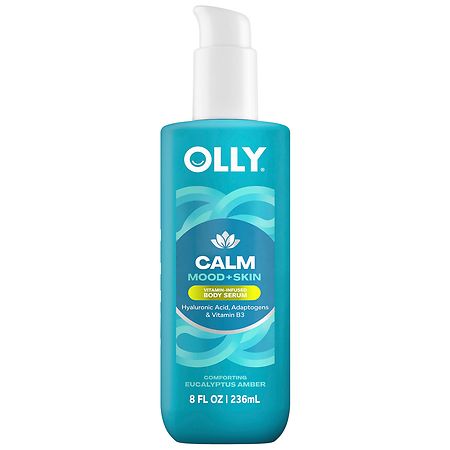
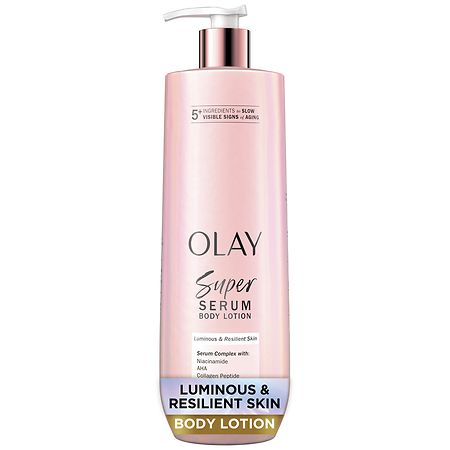
OLLY Calm Body Serum Lotion Repairs Skin Barrier & Soothe Stress Eucalyptus Amber 8 oz
Summary
This body serum lotion contains beneficial ingredients such as hyaluronic acid, vitamin B3, and tocopherol, which are known for their skin-repairing and moisturizing properties. However, the presence of ethylhexylglycerin, a synthetic preservative, and the overall processed nature of the product limit its score. The ingredient list is relatively clean, but the processing level prevents it from achieving a higher rating.
At a glance
Key ingredients 16
Water
Water is a universal solvent and is used as a base in many cosmetic formulations. It helps dissolve other ingredients and provides hydration to the skin. It is essential for the formulation's texture and application.
Risks
There are no significant risks associated with water in cosmetic formulations.
Benefits
Water hydrates the skin and helps in the absorption of other beneficial ingredients.
Caprylic/Capric Triglyceride
Caprylic/Capric Triglyceride is derived from coconut oil and glycerin. It is used as an emollient to provide a lightweight, non-greasy barrier of lubrication. It helps to smooth and soften the skin.
Risks
There are minimal risks associated with this ingredient, though it may cause mild irritation in very sensitive individuals.
Benefits
It is beneficial for its moisturizing properties and helps to improve the texture of the skin.
Propanediol
Propanediol is a glycol that is used as a solvent and skin-conditioning agent. It enhances the absorption of ingredients into the skin. It is often used as a natural alternative to propylene glycol.
Risks
Propanediol is generally considered safe, but it can cause irritation in some individuals with sensitive skin.
Benefits
It helps to improve the skin's texture and enhances the efficacy of other active ingredients.
Hyaluronic Acid
Hyaluronic Acid is a powerful humectant that attracts and retains moisture in the skin. It is known for its ability to hold up to 1000 times its weight in water. This makes it an excellent hydrating agent.
Risks
There are no significant risks associated with hyaluronic acid, though overuse can lead to temporary skin dryness.
Benefits
It provides deep hydration, plumping the skin and reducing the appearance of fine lines.
Adaptogens
Adaptogens are natural substances that help the body adapt to stress and exert a normalizing effect upon bodily processes. In skincare, they are used for their potential to reduce inflammation and improve skin resilience.
Risks
There is limited research on the topical application of adaptogens, so potential skin reactions are not well-documented.
Benefits
They may help to soothe stressed skin and improve overall skin health.
Vitamin B3
Vitamin B3, also known as niacinamide, is a versatile skincare ingredient. It helps to improve skin elasticity, enhance the barrier function, and even out skin tone. It is also known for its anti-inflammatory properties.
Risks
Niacinamide is generally well-tolerated, but in rare cases, it can cause mild irritation.
Benefits
It supports the skin barrier, reduces redness, and improves the appearance of enlarged pores.
Juice
The term 'juice' is vague, but it typically refers to plant or fruit extracts used for their antioxidant properties. These extracts can provide vitamins and nutrients to the skin.
Risks
Without specific identification, the risks are unknown, but plant juices can sometimes cause allergic reactions.
Benefits
They may offer antioxidant benefits and contribute to skin nourishment.
Ethylhexylglycerin
Ethylhexylglycerin is a conditioning agent and preservative enhancer. It is often used to improve the efficacy of preservatives and provide skin-softening benefits.
Risks
It is generally considered safe, but can cause mild irritation in sensitive individuals.
Benefits
It enhances the preservation of the product and provides a mild conditioning effect.
Tocopherol
Tocopherol, or Vitamin E, is a powerful antioxidant that helps protect the skin from free radical damage. It also has moisturizing and healing properties.
Risks
Vitamin E is generally safe, but high concentrations can cause skin irritation in some people.
Benefits
It supports skin health by providing antioxidant protection and improving moisture retention.
Glucomannan
Glucomannan is a polysaccharide derived from the konjac plant. It is used in skincare for its thickening properties and ability to form a protective film on the skin.
Risks
There are minimal risks, though it may cause mild irritation if used in high concentrations.
Benefits
It helps to improve skin texture and provides a protective barrier.
Lactic Acid
Lactic Acid is an alpha hydroxy acid (AHA) used for its exfoliating properties. It helps to remove dead skin cells and improve skin texture. It also has hydrating benefits.
Risks
Overuse can lead to skin irritation and increased sensitivity to sunlight.
Benefits
It promotes cell turnover, leading to smoother, more radiant skin.
Stearic Acid
Stearic Acid is a fatty acid used as an emulsifier and thickener in skincare products. It helps to stabilize formulations and improve texture.
Risks
It is generally safe, but can cause mild irritation in sensitive individuals.
Benefits
It contributes to the creamy texture of lotions and helps to maintain product stability.
Sodium Hyaluronate
Sodium Hyaluronate is the sodium salt of hyaluronic acid. It is used for its superior hydrating properties and ability to penetrate deeper into the skin. It helps to retain moisture and improve skin elasticity.
Risks
There are no significant risks, though overuse can lead to temporary dryness.
Benefits
It provides intense hydration and helps to plump the skin, reducing the appearance of fine lines.
Dipotassium Glycyrrhizate
Dipotassium Glycyrrhizate is derived from licorice root and is used for its anti-inflammatory and soothing properties. It helps to reduce redness and irritation in the skin.
Risks
It is generally safe, but can cause allergic reactions in rare cases.
Benefits
It soothes irritated skin and helps to improve the appearance of uneven skin tone.
Glycerin
Glycerin is a humectant that attracts moisture to the skin. It is widely used in skincare for its hydrating properties and ability to improve skin barrier function.
Risks
There are minimal risks, though it can cause irritation if used in very high concentrations.
Benefits
It helps to maintain skin hydration and improve overall skin health.
Palmitic Acid
Palmitic Acid is a fatty acid used as an emollient and surfactant in skincare products. It helps to soften the skin and improve the texture of formulations.
Risks
It is generally safe, but can cause mild irritation in sensitive individuals.
Benefits
It provides moisturizing benefits and helps to stabilize emulsions.
Processing
Processed Foods
Get the full breakdown in the Scout app
Scan any product to see lab results, healthy alternatives, and your personalized analysis.
Download on theApp Store