
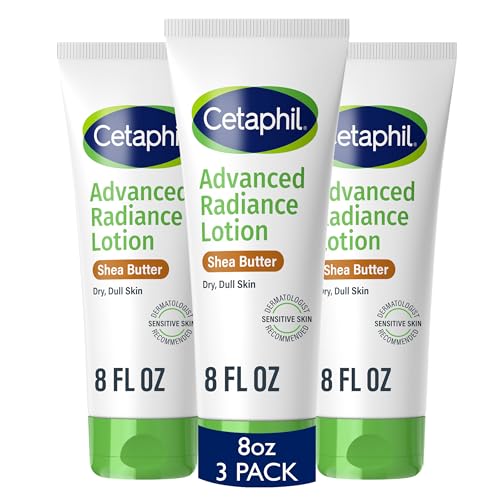
Cetaphil Advanced Relief Lotion with Shea Butter 8 oz

68 Fair
$29.37 · 8 oz · pack of 3
View on Amazon
Verified Amazon match

Summary

Cetaphil Advanced Relief Lotion contains beneficial ingredients like shea butter, sunflower seed oil, and niacinamide, which are known for their moisturizing and skin-soothing properties. However, the presence of synthetic emulsifiers and preservatives, such as Ceteareth-20 and sodium benzoate, along with its processed nature, slightly reduces its overall rating. The product is mostly safe but not entirely free from synthetic components, which impacts its score.

At a glance

Beneficial ingredients 0
Harmful ingredients 0
Category Body Lotion

Key ingredients 18

Water

Water is a universal solvent and is used as a base in many cosmetic formulations. It helps to dissolve other ingredients and provides hydration to the skin. It is essential for the formulation's texture and application.

Risks

There are no significant risks associated with water in cosmetic formulations.

Benefits

Water hydrates the skin and helps in the absorption of other beneficial ingredients.

See more about Water →
Glycerin

Glycerin is a humectant that attracts moisture to the skin, helping to keep it hydrated. It is commonly used in skincare products for its moisturizing properties. It also helps to improve the skin barrier function.

Risks

Glycerin is generally safe, but in very high concentrations, it may cause irritation.

Benefits

Glycerin helps to maintain skin hydration and improve skin smoothness.

See more about Glycerin →
Isopropyl Palmitate

Isopropyl Palmitate is an emollient that helps to soften and smooth the skin. It is derived from palm oil and is used to enhance the texture of skincare products. It also helps in the absorption of other ingredients.

Risks

It may cause skin irritation or acne in sensitive individuals.

Benefits

Isopropyl Palmitate provides a silky feel to the skin and improves product spreadability.

See more about Isopropyl Palmitate →
Helianthus Annuus (Sunflower) Seed Oil

Sunflower Seed Oil is a natural oil rich in essential fatty acids and vitamin E. It is used for its moisturizing and antioxidant properties. It helps to maintain the skin's natural barrier and prevent moisture loss.

Risks

There are minimal risks, but it may cause allergic reactions in some individuals.

Benefits

Sunflower Seed Oil nourishes the skin and protects it from environmental damage.

See more about Helianthus Annuus (Sunflower) Seed Oil →
Cetearyl Alcohol

Cetearyl Alcohol is a fatty alcohol used as an emollient and thickening agent in cosmetics. It helps to stabilize formulations and improve texture. It is derived from natural sources like coconut or palm oil.

Risks

It is generally safe, but may cause irritation in sensitive skin types.

Benefits

Cetearyl Alcohol provides a creamy texture and helps to soften the skin.

See more about Cetearyl Alcohol →
Ceteareth-20

Ceteareth-20 is an emulsifier that helps to blend oil and water-based ingredients. It is used to improve the consistency and stability of cosmetic products. It is derived from cetearyl alcohol and ethylene oxide.

Risks

There is a potential risk of contamination with 1,4-dioxane, a byproduct of ethoxylation.

Benefits

Ceteareth-20 enhances product texture and ensures even distribution of ingredients.

See more about Ceteareth-20 →
Dimethicone

Dimethicone is a silicone-based polymer used as a skin protectant and conditioning agent. It forms a barrier on the skin to lock in moisture and improve smoothness. It is widely used in skincare for its non-greasy feel.

Risks

It may cause breakouts in acne-prone skin due to its occlusive nature.

Benefits

Dimethicone provides a silky texture and helps to protect the skin from moisture loss.

See more about Dimethicone →
Butyrospermum Parkii (Shea) Butter

Shea Butter is a natural fat extracted from the nuts of the shea tree. It is rich in vitamins and fatty acids, making it an excellent moisturizer. It helps to soothe and nourish dry skin.

Risks

There are minimal risks, but it may cause allergic reactions in individuals with nut allergies.

Benefits

Shea Butter deeply moisturizes and improves skin elasticity.

See more about Butyrospermum Parkii (Shea) Butter →
Panthenol

Panthenol is a provitamin of B5 that acts as a moisturizer and skin conditioner. It helps to improve skin hydration and reduce inflammation. It is commonly used in skincare for its soothing properties.

Risks

Panthenol is generally safe, but may cause mild irritation in sensitive individuals.

Benefits

Panthenol enhances skin hydration and promotes healing.

See more about Panthenol →
Niacinamide

Niacinamide is a form of vitamin B3 that offers multiple skin benefits. It helps to improve skin tone, reduce redness, and strengthen the skin barrier. It is well-tolerated by most skin types.

Risks

There are minimal risks, but high concentrations may cause irritation.

Benefits

Niacinamide improves skin texture and reduces signs of aging.

See more about Niacinamide →
Tocopheryl Acetate

Tocopheryl Acetate is a form of vitamin E used for its antioxidant properties. It helps to protect the skin from free radical damage and improve moisture retention. It is commonly used in skincare for its nourishing effects.

Risks

It is generally safe, but may cause irritation in sensitive skin.

Benefits

Tocopheryl Acetate protects the skin and enhances its natural barrier.

See more about Tocopheryl Acetate →
Sodium PCA

Sodium PCA is a naturally occurring humectant derived from amino acids. It helps to attract moisture to the skin and improve hydration. It is used in skincare for its excellent moisturizing properties.

Risks

There are no significant risks associated with Sodium PCA.

Benefits

Sodium PCA enhances skin hydration and maintains moisture balance.

See more about Sodium PCA →
Pantolactone

Pantolactone is a lactone derivative used as a humectant and conditioning agent. It helps to retain moisture in the skin and improve texture. It is often used in combination with other moisturizing ingredients.

Risks

There are minimal risks, but it may cause irritation in sensitive individuals.

Benefits

Pantolactone helps to maintain skin hydration and smoothness.

Glyceryl Stearate

Glyceryl Stearate is an emulsifier and emollient that helps to blend ingredients and improve texture. It is derived from glycerin and stearic acid. It is used to enhance the stability and feel of cosmetic products.

Risks

It is generally safe, but may cause irritation in sensitive skin.

Benefits

Glyceryl Stearate provides a smooth texture and helps to soften the skin.

See more about Glyceryl Stearate →
Acrylates/C10-30 Alkyl Acrylate Crosspolymer

This ingredient is a synthetic polymer used as a thickening agent and stabilizer. It helps to improve the texture and consistency of cosmetic formulations. It is commonly used in skincare for its ability to create a gel-like texture.

Risks

There are minimal risks, but it may cause irritation in sensitive skin.

Benefits

It enhances product texture and ensures even application.

See more about Acrylates/C10-30 Alkyl Acrylate Crosspolymer →
Sodium Benzoate

Sodium Benzoate is a preservative used to prevent microbial growth in cosmetic products. It helps to extend the shelf life of formulations. It is commonly used in combination with other preservatives for effectiveness.

Risks

It may cause irritation in sensitive skin or when used in high concentrations.

Benefits

Sodium Benzoate helps to maintain product safety and stability.

See more about Sodium Benzoate →
Potassium Sorbate

Potassium Sorbate is a preservative used to inhibit the growth of mold and yeast in cosmetic products. It is effective in maintaining product freshness and safety. It is often used in combination with other preservatives.

Risks

It may cause irritation in sensitive skin or when used in high concentrations.

Benefits

Potassium Sorbate helps to preserve product integrity and extend shelf life.

See more about Potassium Sorbate →
Citric Acid

Citric Acid is used to adjust the pH of cosmetic formulations and as a mild exfoliant. It helps to maintain the stability and effectiveness of products. It is derived from citrus fruits and is commonly used in skincare.

Risks

It may cause irritation in sensitive skin or when used in high concentrations.

Benefits

Citric Acid helps to balance pH and improve skin texture.

See more about Citric Acid →

Processing

Group 3 · Processed

Processed Foods

Get the full breakdown in the Scout app

Scan any product to see lab results, healthy alternatives, and your personalized analysis.

Download on theApp Store