


At a glance
Summary
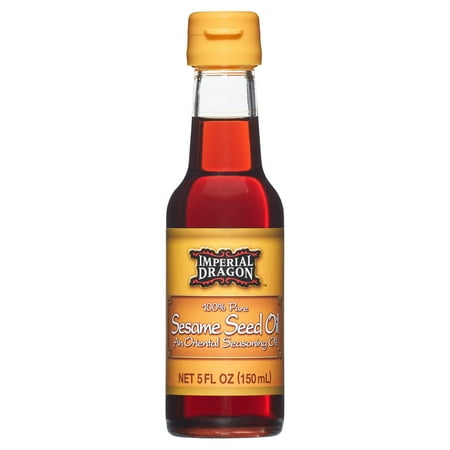
Sesame seed oil is a processed culinary ingredient with a high omega-6 fatty acid content, which can contribute to inflammation if consumed in excess. The extraction process often involves high heat and chemical solvents, potentially degrading the oil's quality and introducing harmful compounds. Compared to more stable oils like olive or avocado, sesame seed oil is more prone to oxidation, which affects its overall healthiness.
Key ingredients 1
Sesame seed oilVery Bad
Sesame seed oil is classified as a seed oil, which is generally considered very bad due to its high omega-6 fatty acid content. The extraction process often involves high heat and chemical solvents, which can degrade the oil's quality and introduce harmful compounds. Compared to oils like olive or avocado, sesame seed oil is less stable and more prone to oxidation.
Risks
High omega-6 content may promote inflammation when consumed in excess. The processing methods can introduce harmful compounds and reduce nutritional quality.
Benefits
Contains some beneficial compounds like sesamin and sesamol, which have antioxidant properties. However, these benefits are outweighed by the potential risks associated with high omega-6 content and processing methods.
Processing
Processed Culinary Ingredients
Get the full breakdown in the Scout appTake Scout shopping
Scan any product to see lab results, healthy alternatives, and your personalized analysis.
Download on theApp Store GET IT ONGoogle Play