

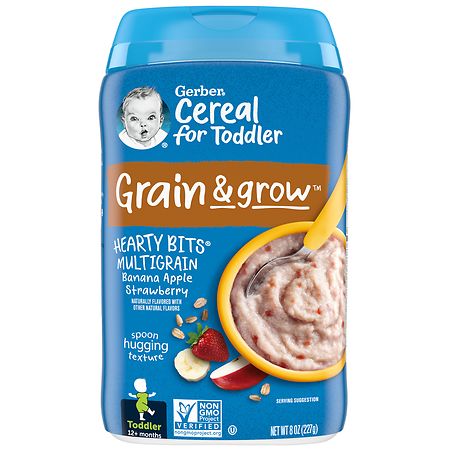
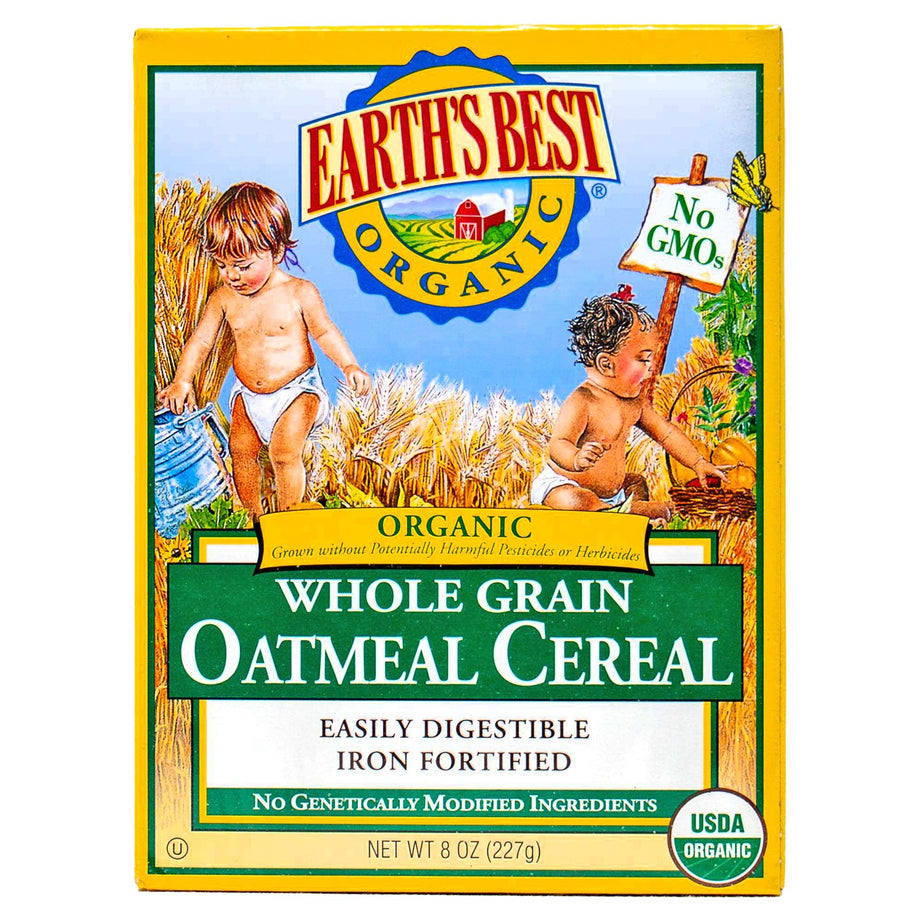


Gerber Infant Cereal w/DHA Rice Single Grain, 8 oz
Summary
This infant cereal contains beneficial ingredients like rice flour, iron, vitamin C, and vitamin E, which contribute to its nutritional value. However, the presence of soy lecithin, a processed emulsifier, and the overall processing level of the product limit its score. While it is fortified with essential nutrients, the processing and use of an emulsifier slightly detract from its overall healthiness.
At a glance
Key ingredients 6
Rice FlourGood
Rice flour is a gluten-free carbohydrate source that is easy to digest. It is minimally processed and provides a base for infant cereals. It is a suitable option for infants with gluten sensitivities.
Benefits
Provides a source of energy and is gentle on the digestive system, making it suitable for infants.
Soy LecithinBad
Soy lecithin is used as an emulsifier to improve texture and consistency. It is derived from soybeans and may contain trace amounts of allergens. The processing of soy lecithin can involve chemical solvents.
Risks
Potential allergen for individuals sensitive to soy and may contain residues from processing solvents.
Benefits
Helps maintain product consistency and can aid in the absorption of fat-soluble vitamins.
Potassium PhosphateNeutral
Potassium phosphate is used as a stabilizer and to regulate acidity. It is a common food additive with no significant health concerns when used in moderation. It helps maintain the product's shelf life and quality.
Risks
Excessive consumption may lead to imbalances in mineral levels, but this is unlikely in typical dietary amounts.
Benefits
Contributes to maintaining the product's stability and quality.
Iron (Ferrous Fumarate)Good
Ferrous fumarate is a form of iron used to fortify foods and prevent iron deficiency. It is an effective and bioavailable source of iron. Iron is essential for oxygen transport and cognitive development in infants.
Risks
Excessive iron intake can lead to gastrointestinal issues, but this is rare in fortified foods.
Benefits
Supports healthy blood cell production and cognitive development in infants.
Vitamin C (Ascorbic Acid)Good
Vitamin C is an essential nutrient that supports immune function and enhances iron absorption. It is added to foods to improve nutritional value and prevent oxidation. Ascorbic acid is a stable form of vitamin C used in food fortification.
Benefits
Boosts immune health and improves the absorption of iron from plant-based sources.
Vitamin E (Alpha Tocopheryl)Good
Vitamin E is an antioxidant that protects cells from oxidative damage. It is added to foods to enhance nutritional value and support skin and eye health. Alpha tocopheryl is a common form of vitamin E used in supplements and fortified foods.
Benefits
Provides antioxidant protection and supports overall health.
Processing
Processed Foods
Get the full breakdown in the Scout app
Scan any product to see lab results, healthy alternatives, and your personalized analysis.
Download on theApp Store