


At a glance
Summary
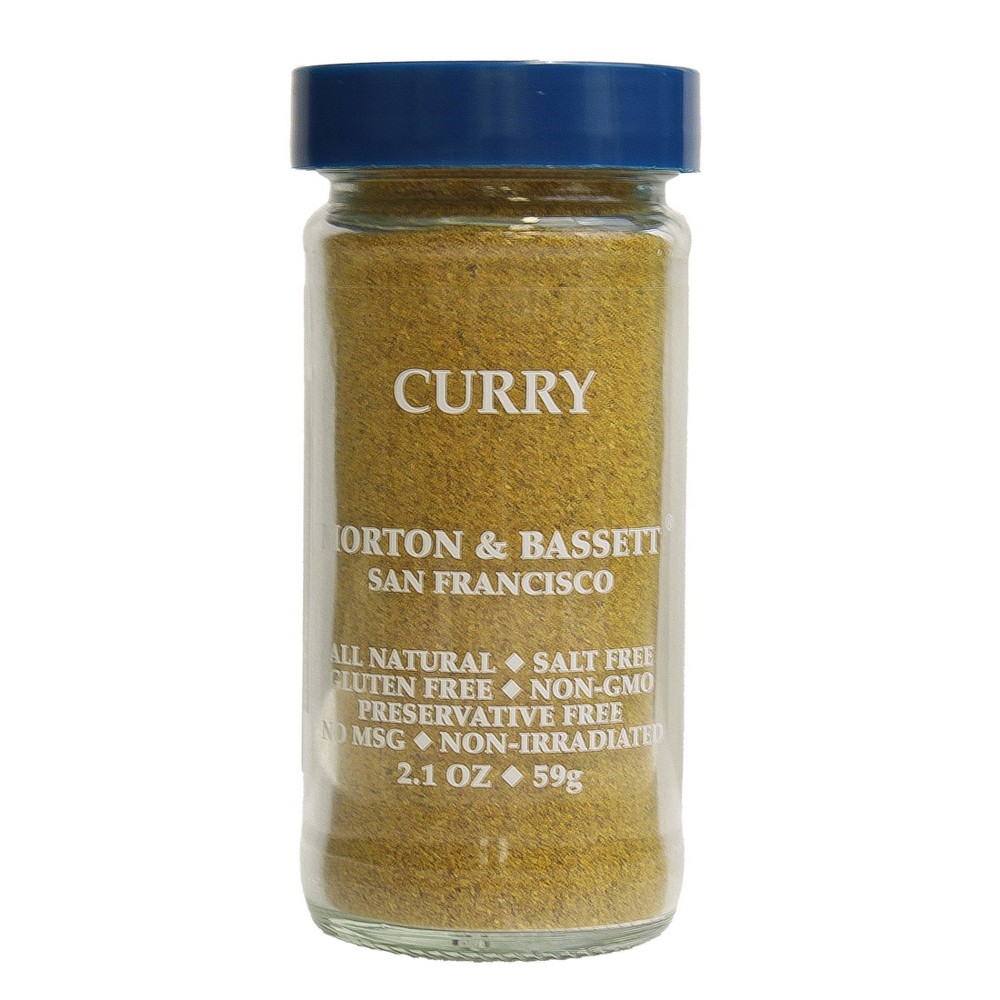
This curry blend is composed entirely of whole spices, each known for their health benefits such as anti-inflammatory and antioxidant properties. The ingredients are minimally processed, retaining their natural nutrients and health-promoting compounds. The absence of any additives or artificial ingredients further enhances the product's health profile, making it an excellent choice for a spice blend.
Key ingredients 10
GingerrootVery Good
Gingerroot is widely recognized for its anti-inflammatory and digestive benefits. It contains gingerol, which has been studied for its potential to reduce nausea and improve heart health. The root is used in its natural form, maximizing its health benefits.
Benefits
May help reduce nausea and improve digestion. Supports cardiovascular health and has anti-inflammatory effects.
TurmericGood
Turmeric is renowned for its anti-inflammatory and antioxidant properties. It contains curcumin, which has been studied for its potential to improve brain function and lower the risk of heart disease. The spice is minimally processed, retaining its natural benefits.
Benefits
Rich in curcumin, which may help reduce inflammation and improve overall health. Supports joint health and may enhance cognitive function.
FenugreekGood
Fenugreek is a spice with potential blood sugar-lowering effects. It contains soluble fiber, which can aid in digestion and improve metabolic health. The seeds are used in their whole form, preserving their nutritional content.
Risks
May cause digestive upset in some individuals if consumed in large quantities.
Benefits
May help regulate blood sugar levels and improve digestion. Contains vitamins and minerals that support overall health.
CorianderGood
Coriander is known for its digestive and anti-inflammatory properties. It is rich in antioxidants and may help lower blood sugar levels. The seeds are used whole, maintaining their natural health benefits.
Benefits
Provides antioxidants that may protect against oxidative stress. Supports digestive health and may help reduce inflammation.
Mustard FlourGood
Mustard flour is made from ground mustard seeds, which are known for their potential anti-inflammatory and digestive benefits. It contains compounds that may help improve metabolism and support heart health. The flour is minimally processed, retaining its natural nutrients.
Risks
May cause allergic reactions in sensitive individuals.
Benefits
Contains glucosinolates, which may have cancer-protective properties. Supports digestive health and may enhance metabolic function.
CuminGood
Cumin is a spice with antioxidant and anti-inflammatory properties. It is known to aid digestion and may help improve cholesterol levels. The seeds are used whole, preserving their beneficial compounds.
Benefits
May improve digestion and support immune function. Contains antioxidants that protect against oxidative damage.
Black PepperGood
Black pepper is a spice that enhances nutrient absorption and has antioxidant properties. It contains piperine, which may improve brain function and support digestion. The peppercorns are used whole, maintaining their natural benefits.
Benefits
Enhances the absorption of nutrients like curcumin. Provides antioxidants that support overall health.
AllspiceGood
Allspice is a spice with antioxidant and anti-inflammatory properties. It is used in its whole form, which helps retain its natural oils and beneficial compounds. The spice may aid digestion and support immune health.
Benefits
Contains eugenol, which may have anti-inflammatory effects. Supports digestive health and provides antioxidants.
CayenneGood
Cayenne pepper is known for its metabolism-boosting and anti-inflammatory properties. It contains capsaicin, which may help reduce appetite and improve heart health. The pepper is used in its natural form, preserving its health benefits.
Risks
May cause digestive discomfort in some individuals if consumed in large quantities.
Benefits
May boost metabolism and support weight management. Contains capsaicin, which has anti-inflammatory and pain-relief properties.
FennelGood
Fennel is a spice with digestive and anti-inflammatory benefits. It contains fiber and essential oils that may help improve digestion and reduce bloating. The seeds are used whole, maintaining their nutritional value.
Benefits
Supports digestive health and may help reduce bloating. Provides antioxidants and essential nutrients.
Processing
Unprocessed or Minimally Processed Foods
Get the full breakdown in the Scout appTake Scout shopping
Scan any product to see lab results, healthy alternatives, and your personalized analysis.
Download on theApp Store GET IT ONGoogle Play