


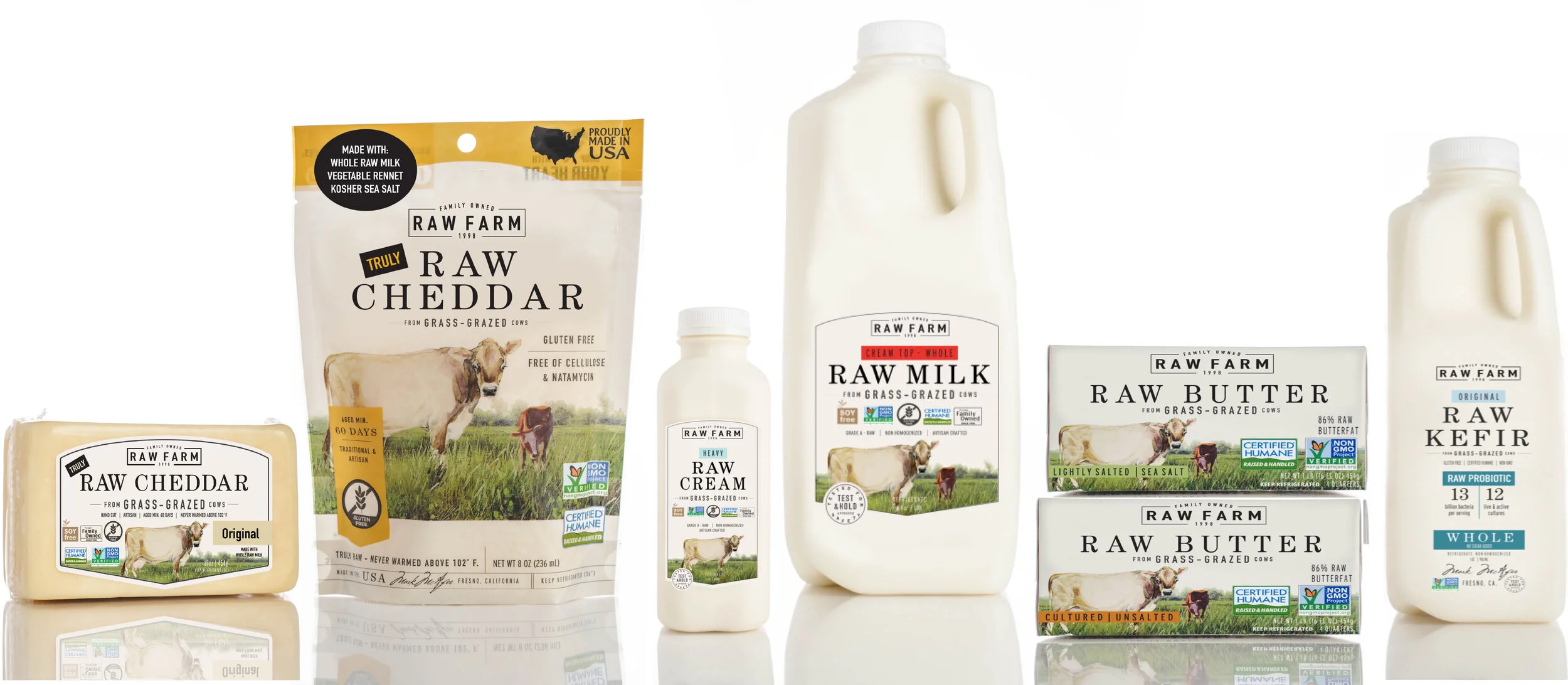

Milk
Summary
This milk product is ultra-processed, which significantly impacts its health rating despite having beneficial ingredients like milk, cocoa, and vitamin D3. The presence of refined sugar and carrageenan further lowers the score due to their association with health concerns such as obesity and gastrointestinal issues. While it contains some nutrients, the high level of processing and added harmful ingredients prevent it from being rated higher.
At a glance
Key ingredients 9
MilkGood
Milk is a natural source of high-quality protein and essential nutrients like calcium and vitamin B12. It is minimally processed and provides a balanced profile of macronutrients. The presence of lactose may be a concern for lactose-intolerant individuals.
Risks
Lactose intolerance can cause digestive issues for some individuals.
Benefits
Rich in calcium and vitamin D, supporting bone health and providing high-quality protein.
SugarBad
Refined sugar is added to enhance sweetness but offers no nutritional benefits. It is associated with increased risk of obesity and metabolic disorders when consumed in excess. The presence of sugar increases the caloric content without providing essential nutrients.
Risks
Excessive consumption can lead to weight gain and increased risk of type 2 diabetes.
CocoaGood
Cocoa processed with alkali, also known as Dutch-processed cocoa, has a milder flavor and is less acidic. It retains some antioxidants, though processing may reduce their levels. Cocoa can contribute to cardiovascular health due to its flavonoid content.
Risks
Processing may reduce antioxidant levels compared to raw cocoa.
Benefits
Contains flavonoids that may support heart health and improve blood flow.
Skim MilkNeutral
Skim milk is milk with most of the fat removed, providing a lower-calorie option. It retains essential nutrients like calcium and protein. However, the removal of fat may reduce the absorption of fat-soluble vitamins.
Risks
May reduce absorption of fat-soluble vitamins due to low fat content.
Benefits
Provides calcium and protein with fewer calories than whole milk.
Corn StarchNeutral
Corn starch is used as a thickening agent and is highly processed. It provides no significant nutritional benefits and is primarily a source of carbohydrates. It is generally considered safe but offers little beyond its functional use.
See more about Corn Starch →SaltNeutral
Salt is used to enhance flavor and preserve food. While essential in small amounts, excessive intake can lead to hypertension and cardiovascular issues. It is a common additive in processed foods.
Risks
High sodium intake can increase blood pressure and risk of heart disease.
Benefits
Essential for maintaining fluid balance and nerve function.
CarrageenanBad
Carrageenan is a thickening and stabilizing agent derived from seaweed. It is controversial due to potential gastrointestinal inflammation and digestive issues. Its use in processed foods is debated due to these health concerns.
Risks
May cause digestive issues and inflammation in sensitive individuals.
VanillaNeutral
Vanilla is used for flavoring and is derived from vanilla beans. It is generally considered safe and adds a pleasant aroma and taste. Natural vanilla contains antioxidants, though in small amounts in processed products.
Benefits
Contains small amounts of antioxidants that may provide minor health benefits.
Vitamin D3Good
Vitamin D3 is added to fortify the product and support bone health. It aids in calcium absorption and is crucial for maintaining healthy bones and immune function. Fortification helps address common deficiencies in the general population.
Benefits
Supports bone health and immune function by enhancing calcium absorption.
Processing
Ultra-Processed Foods
Get the full breakdown in the Scout app
Scan any product to see lab results, healthy alternatives, and your personalized analysis.
Download on theApp Store