
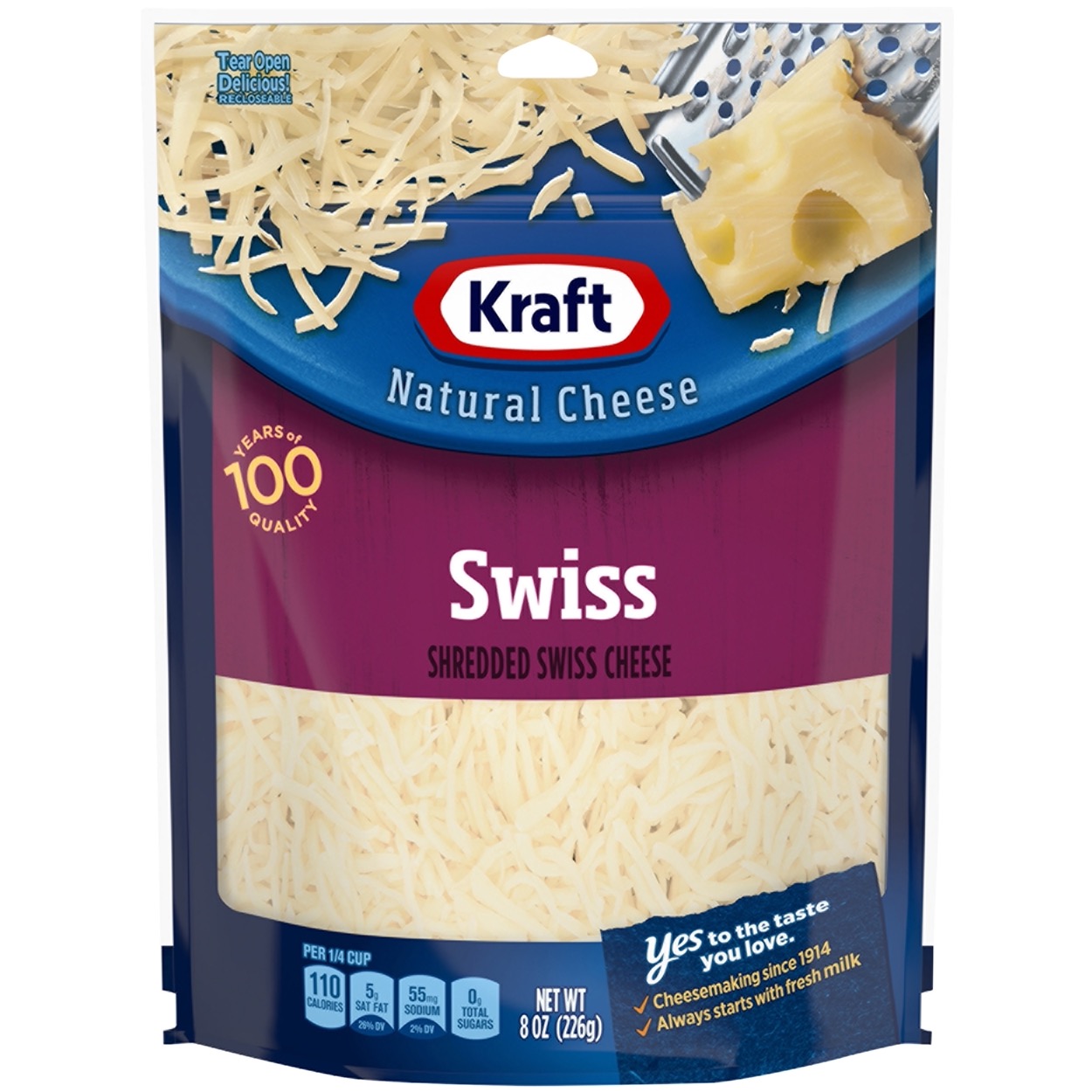


KRAFT - Cheese - Shredded Swiss 8.00 oz
Analysis updated August 2026 · How Scout scores
At a glance
Summary
This shredded Swiss cheese is a processed product with added anti-caking agents and a mold inhibitor, which are typical for pre-shredded cheeses. While the base cheese provides beneficial nutrients like protein and calcium, the presence of additives and the processing level limit its score. The use of natamycin, although safe, is an additive that some consumers prefer to avoid.
Key ingredients 5
Swiss CheeseGood
Swiss cheese is a good source of protein and calcium, essential for bone health. It is made from pasteurized part-skim milk, which retains important nutrients. The fermentation process also contributes beneficial probiotics.
Risks
Contains lactose, which may cause digestive issues for lactose-intolerant individuals.
Benefits
Rich in protein and calcium, supporting bone health and muscle maintenance. Contains probiotics that may aid in digestion.
Potato StarchNeutral
Potato starch is used as an anti-caking agent to keep cheese shreds separate. It is a refined carbohydrate with minimal nutritional value. It does not significantly impact the nutritional profile of the product.
See more about Potato Starch →Cellulose PowderNeutral
Cellulose powder is used to prevent caking in shredded cheese products. It is derived from plant fibers and is not absorbed by the body. It serves a functional purpose without adding nutritional value.
See more about Cellulose Powder →Calcium SulfateNeutral
Calcium sulfate is used as a firming agent and to prevent caking. It is generally recognized as safe and does not significantly alter the nutritional profile. It is a common additive in food processing.
See more about Calcium Sulfate →NatamycinBad
Natamycin is a natural mold inhibitor used to extend shelf life. While it is effective in preventing spoilage, it is an additive that some consumers prefer to avoid. Its use is regulated and considered safe in small amounts.
Risks
May cause allergic reactions in sensitive individuals and is an additive that some consumers prefer to avoid.
Benefits
Prevents mold growth, extending the shelf life of cheese products.
Processing
Processed Foods
Get the full breakdown in the Scout appTake Scout shopping
Scan any product to see lab results, healthy alternatives, and your personalized analysis.
Download on theApp Store GET IT ONGoogle PlayAmazon pricing & content
Amazon price as of . Product prices and availability are accurate as of the date/time indicated and are subject to change. Any price and availability information displayed on Amazon.com at the time of purchase will apply to the purchase of this product.
CERTAIN CONTENT THAT APPEARS ON THIS SITE COMES FROM AMAZON. THIS CONTENT IS PROVIDED “AS IS” AND IS SUBJECT TO CHANGE OR REMOVAL AT ANY TIME.