


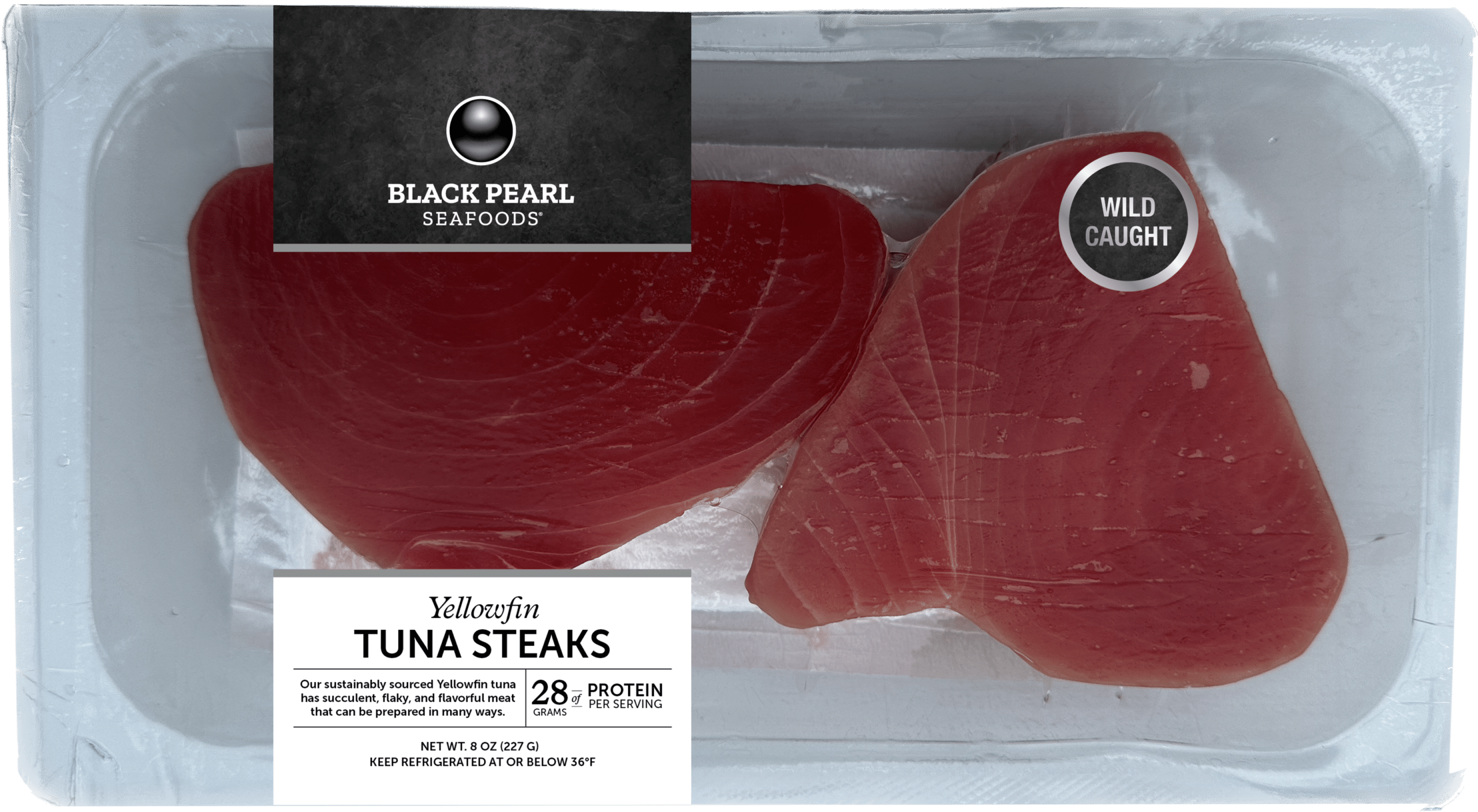
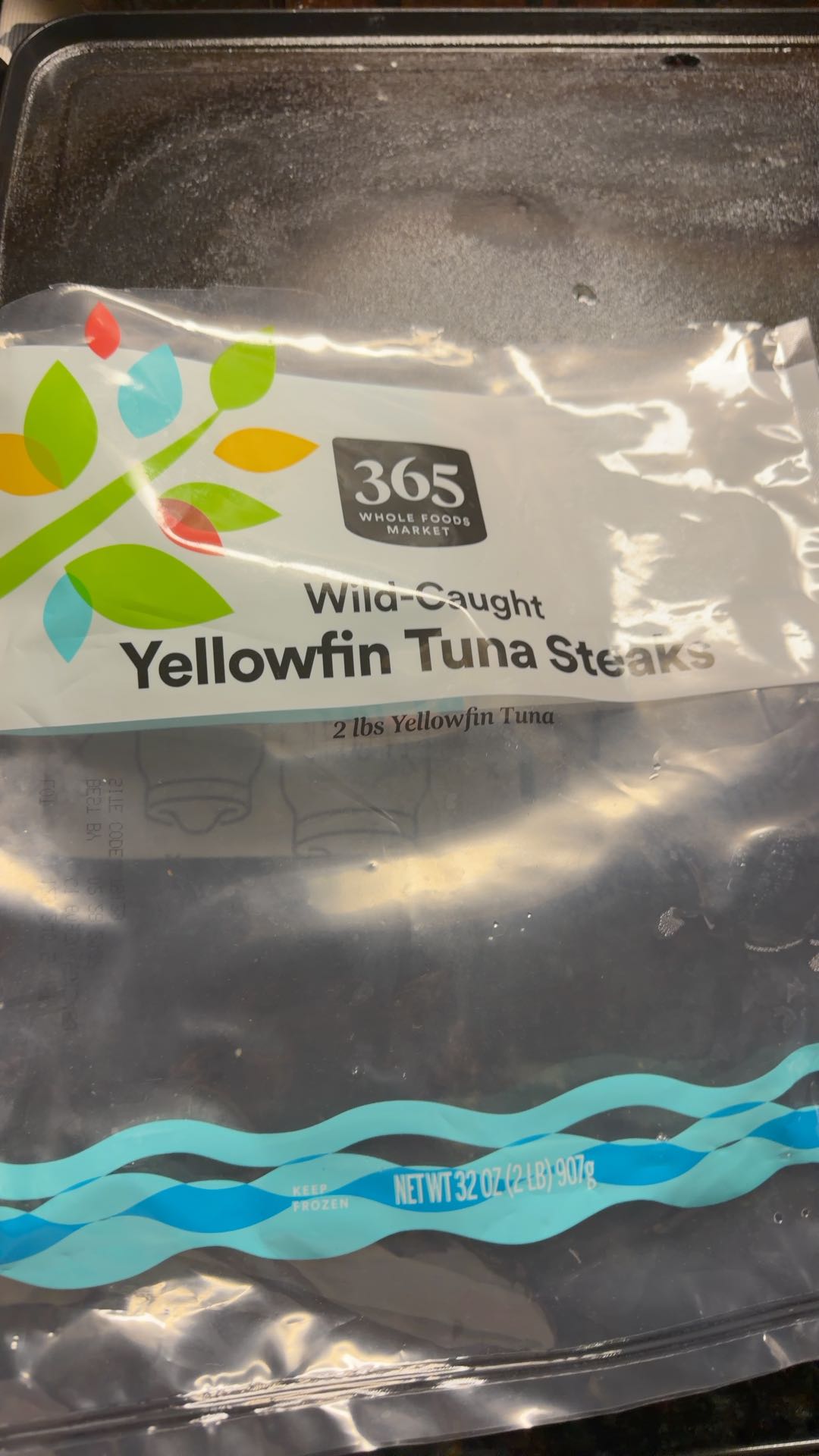
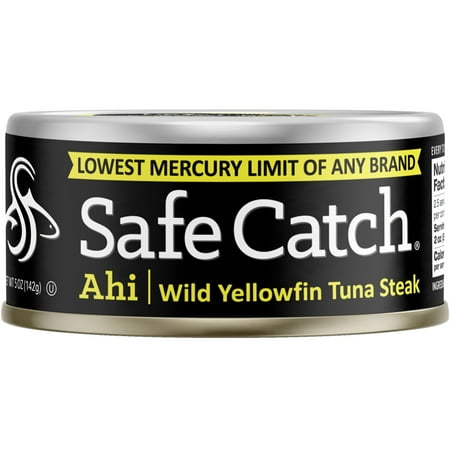
At a glance
Summary
The product is primarily composed of wild-caught yellowfin tuna, which is a high-quality source of lean protein and omega-3 fatty acids, beneficial for heart health. However, the use of carbon monoxide to retain color is a controversial practice that may mislead consumers about the freshness of the tuna. Despite this, the product remains relatively clean with minimal processing, but the presence of carbon monoxide and its processing level limit its score.
Key ingredients 2
Yellowfin tunaVery Good
Yellowfin tuna is a high-quality source of lean protein and essential nutrients. It is rich in omega-3 fatty acids, which support heart health and reduce inflammation. As a wild-caught fish, it is generally considered more sustainable and less likely to contain harmful additives compared to farmed fish.
Risks
Potential risks include mercury content, which can be a concern if consumed in large quantities.
Benefits
Provides essential omega-3 fatty acids and high-quality protein, beneficial for cardiovascular health and muscle maintenance.
Carbon monoxideBad
Carbon monoxide is used to retain the color of the tuna, which can be misleading about the freshness of the product. This processing method does not affect the nutritional content but may mask spoilage. It is a controversial practice due to potential consumer deception.
Risks
May mask spoilage, leading to potential food safety concerns if the product is not fresh.
Processing
Processed Foods
Get the full breakdown in the Scout appTake Scout shopping
Scan any product to see lab results, healthy alternatives, and your personalized analysis.
Download on theApp Store GET IT ONGoogle Play