



At a glance
Summary
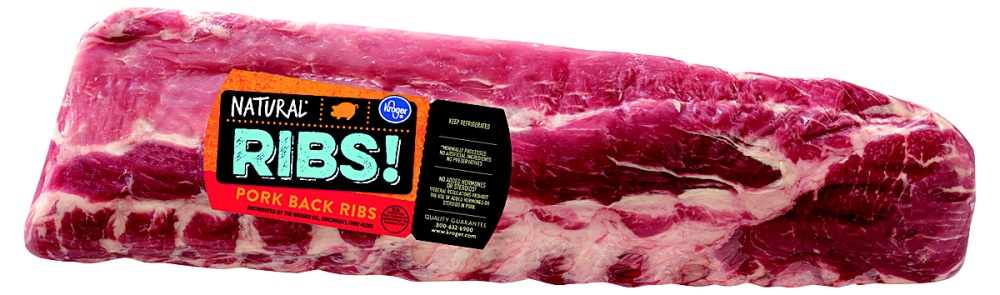
The product consists primarily of pork ribs with a minimal amount of added ingredients, including salt, sugar, and spices. While the presence of sugar is a minor concern due to its link to metabolic disorders, the overall ingredient list is relatively clean with beneficial dehydrated vegetables. The processing level limits the score, but the absence of harmful additives and the use of whole food ingredients contribute positively to its rating.
Key ingredients 8
SpicesGood
Whole-food seasonings, antioxidant-bearing.
Benefits
May provide antioxidants and enhance flavor without adding calories.
Dehydrated red bell pepperGood
Dehydrated red bell pepper retains many nutrients found in fresh peppers, including vitamins A and C. It adds flavor and color to dishes. The dehydration process concentrates these nutrients, making it a beneficial ingredient.
Benefits
Rich in vitamins A and C, which support immune function and skin health.
Dehydrated garlicGood
Dehydrated garlic retains the health benefits of fresh garlic, including potential anti-inflammatory and cardiovascular benefits. It is a convenient way to add flavor and health benefits to dishes. The dehydration process preserves its beneficial compounds.
Benefits
May support cardiovascular health and has anti-inflammatory properties.
Dehydrated onionGood
Dehydrated onion provides similar benefits to fresh onion, including antioxidants and potential anti-inflammatory effects. It is a versatile ingredient that enhances flavor. The dehydration process concentrates its beneficial compounds.
Benefits
Contains antioxidants that may reduce inflammation and support health.
Pork ribsNeutral
Pork ribs are a source of protein and essential nutrients. They are typically high in saturated fats, which can be a concern if consumed in excess. The quality of the meat depends on the sourcing and farming practices.
Risks
High in saturated fats, which may contribute to heart disease if consumed in large amounts.
Benefits
Provides protein and essential nutrients such as B vitamins and minerals.
SaltNeutral
Salt is used as a seasoning and preservative. It is essential for maintaining fluid balance and nerve function. Excessive consumption can lead to high blood pressure and other health issues.
Risks
Excessive salt intake can lead to hypertension and cardiovascular issues.
Benefits
Essential for maintaining fluid balance and nerve function.
Citric acidNeutral
Citric acid is used as a preservative and flavor enhancer. It is naturally found in citrus fruits and is generally recognized as safe. In processed foods, it helps maintain freshness and flavor.
Benefits
Helps preserve freshness and enhance flavor in foods.
SugarBad
Sugar is used to enhance flavor but provides empty calories with no essential nutrients. High consumption is linked to obesity, diabetes, and other metabolic disorders. It is often added to processed foods, increasing overall sugar intake.
Risks
High sugar intake is associated with obesity, diabetes, and metabolic syndrome.
Processing
Processed Foods
Get the full breakdown in the Scout appTake Scout shopping
Scan any product to see lab results, healthy alternatives, and your personalized analysis.
Download on theApp Store GET IT ONGoogle Play