
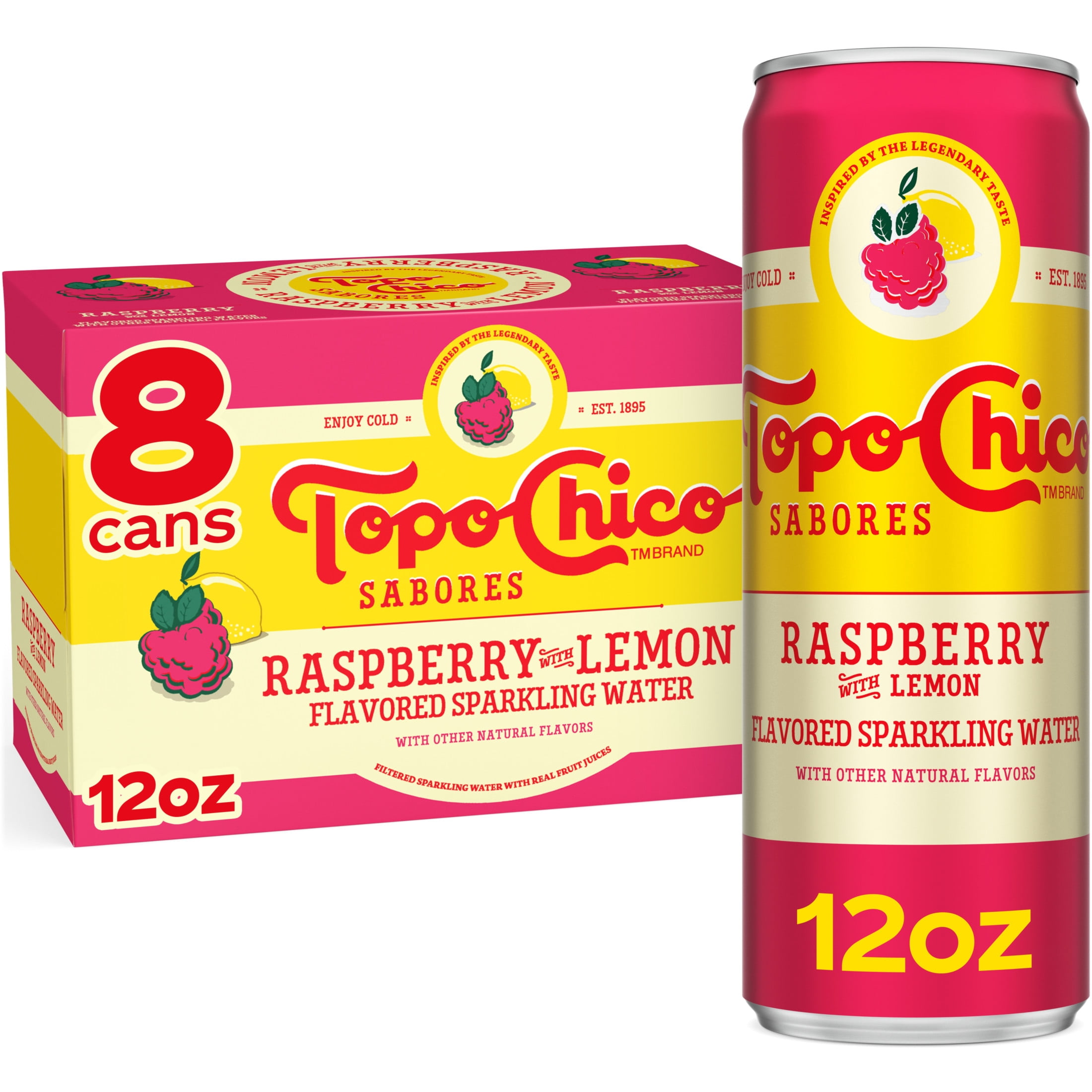

Raspberry with Lemon Flavored Sparkling Water
Summary
This sparkling water is ultra-processed, which limits its potential health score. It contains preservatives like potassium sorbate and sodium benzoate, which are controversial due to potential health concerns. While it includes natural fruit juices, the presence of 'natural flavors' and synthetic additives detracts from its overall ingredient quality.
At a glance
Key ingredients 10
Filtered Carbonated WaterNeutral
Filtered carbonated water is the base of many beverages and is generally considered neutral. It provides hydration without any additional calories or nutrients. The carbonation process involves dissolving carbon dioxide gas under pressure, which does not impact health significantly.
See more about Filtered Carbonated Water →Raspberry Juice From ConcentrateGood
Raspberry juice from concentrate provides natural fruit sugars and antioxidants. The concentration process may reduce some nutrients, but it still retains beneficial compounds like vitamin C and polyphenols. It adds a natural flavor and color to the beverage.
Risks
Excessive consumption may contribute to sugar intake.
Benefits
Rich in antioxidants and vitamin C, supporting immune health and reducing oxidative stress.
Apple Juice From ConcentrateGood
Apple juice from concentrate is a source of natural sugars and some vitamins. While the concentration process can diminish certain nutrients, it still provides a pleasant sweetness and flavor. It is often used to enhance the taste profile of beverages.
Risks
May contribute to overall sugar intake if consumed in large quantities.
Benefits
Contains vitamin C and polyphenols, which can support heart health and provide antioxidant benefits.
Lemon Juice From ConcentrateGood
Lemon juice from concentrate adds a refreshing citrus flavor and provides vitamin C. The concentration process may affect some nutrient levels, but it still offers a tangy taste and potential health benefits. It can enhance the flavor profile of the beverage naturally.
Benefits
Provides vitamin C, which is essential for immune function and skin health.
Natural FlavorsBad
Natural flavors are often used to enhance taste but lack transparency in their composition. They can include a variety of compounds derived from natural sources, but their exact makeup is not disclosed. This lack of transparency can be concerning for consumers seeking to avoid certain additives.
Risks
Potential allergens or sensitivities may be present without clear labeling.
Potassium SorbateBad
Potassium sorbate is a preservative used to inhibit mold and yeast growth. While effective in extending shelf life, it is a synthetic additive that some consumers prefer to avoid. It is generally recognized as safe but can cause allergic reactions in sensitive individuals.
Risks
May cause allergic reactions or sensitivities in some individuals.
Sodium BenzoateBad
Sodium benzoate is a preservative that prevents microbial growth in acidic foods and beverages. It is effective but can form benzene, a carcinogen, when combined with vitamin C under certain conditions. Its use is controversial due to potential health concerns.
Risks
Potential formation of benzene, a carcinogen, when combined with vitamin C.
Citric AcidNeutral
Citric acid is a natural acidulant that enhances flavor and preserves freshness. It is widely used in the food industry and is generally considered safe. It can also act as an antioxidant, though its primary role is flavor enhancement.
Risks
Excessive consumption may cause dental erosion.
Benefits
Acts as a natural preservative and flavor enhancer.
Magnesium ChlorideNeutral
Magnesium chloride is used to enhance the mineral content of beverages. It is a source of magnesium, an essential mineral, but in small amounts, it does not significantly impact nutritional intake. It is generally recognized as safe for consumption.
Benefits
Provides a small amount of magnesium, which is important for muscle and nerve function.
Potassium ChlorideNeutral
Potassium chloride is used to provide a salty taste without sodium. It is a source of potassium, an essential mineral, but in small quantities, it does not significantly contribute to dietary intake. It is often used as a salt substitute in low-sodium products.
Risks
Excessive intake may lead to hyperkalemia, especially in individuals with kidney issues.
Benefits
Provides potassium, which is important for maintaining normal blood pressure and heart function.
Processing
Ultra-Processed Foods
Get the full breakdown in the Scout app
Scan any product to see lab results, healthy alternatives, and your personalized analysis.
Download on theApp Store