
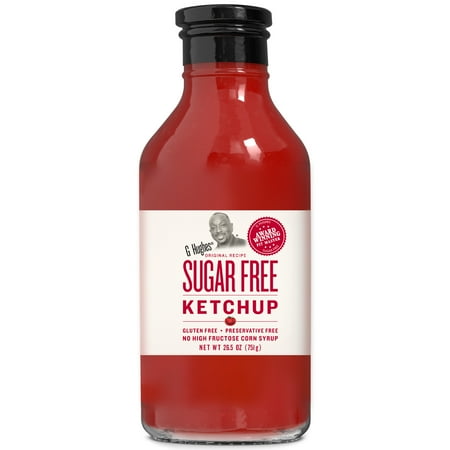

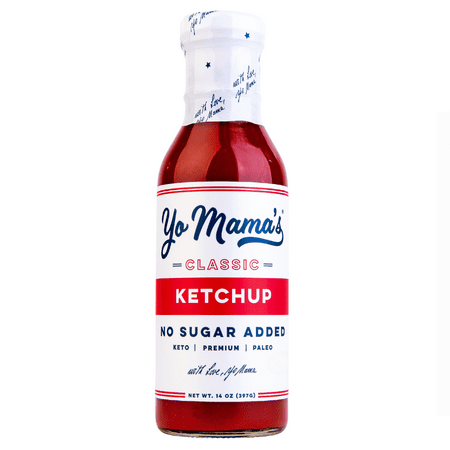


G Hughes Sugar Free Ketchup 26.5 oz
Summary
This ketchup is ultra-processed, which limits its potential health score. It contains sucralose, an artificial sweetener, and a seasoning blend with vague 'natural flavors,' both of which raise concerns about ingredient transparency and potential health effects. Despite having a low sugar content, the presence of these additives and the high level of processing significantly impact its overall rating.
At a glance
Key ingredients 7
Vine-ripened tomato concentrateNeutral
Vine-ripened tomato concentrate is a concentrated form of tomatoes, providing a rich source of lycopene. The concentration process may reduce some nutrient content but retains the primary flavor and color. It is a common base for ketchup, offering a natural tomato taste.
Benefits
Contains lycopene, an antioxidant that may support heart health and reduce cancer risk.
Distilled vinegarNeutral
Distilled vinegar is a common acidic ingredient used for flavoring and preservation. It is produced through the fermentation of ethanol by acetic acid bacteria. While it adds tanginess, it does not provide significant nutritional benefits.
Risks
Excessive consumption may lead to digestive discomfort.
Benefits
Acts as a preservative and enhances flavor without adding calories.
Modified corn starchNeutral
Modified corn starch is used as a thickening agent in many processed foods. It is derived from corn and chemically altered to improve its stability and texture. While it is effective for texture, it offers minimal nutritional value.
Risks
May cause digestive issues in sensitive individuals.
Benefits
Provides improved texture and stability in food products.
SaltNeutral
Salt is used to enhance flavor and preserve food. It is a natural mineral composed primarily of sodium chloride. While essential in small amounts, excessive intake can lead to health issues.
Risks
High sodium intake is linked to increased blood pressure and cardiovascular disease.
Benefits
Essential for maintaining fluid balance and nerve function.
Garlic powderGood
Garlic powder is a dehydrated form of garlic, providing a concentrated source of flavor. It retains many of the beneficial compounds found in fresh garlic, such as allicin. It is used for its flavor and potential health benefits.
Benefits
May support immune function and cardiovascular health due to its antioxidant properties.
Seasoning blendBad
Seasoning blend often contains a mix of salt, onion powder, and natural flavors. The term 'natural flavors' is vague and can include a variety of processed additives. This lack of transparency can be concerning for those with allergies or sensitivities.
Risks
Potential allergens and sensitivities due to unspecified 'natural flavors'.
Benefits
Enhances flavor without adding significant calories.
SucraloseBad
Sucralose is an artificial sweetener used to provide sweetness without calories. It is chemically altered to be non-caloric and is much sweeter than sugar. While it is FDA-approved, concerns exist about its long-term health effects.
Risks
May affect gut health and insulin response in some individuals.
Benefits
Provides sweetness without contributing to calorie intake.
Processing
Ultra-Processed Foods
Get the full breakdown in the Scout app
Scan any product to see lab results, healthy alternatives, and your personalized analysis.
Download on theApp Store