


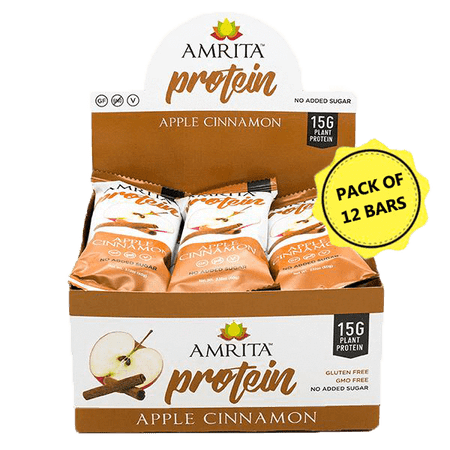

Protein Granola Bars
Summary
The protein granola bars contain beneficial whole grain ingredients like oats and brown rice flour, which provide fiber and essential nutrients. However, the presence of added sugar and highly processed soybean oil negatively impacts the healthiness of the product. Additionally, the bars are processed, which limits their score potential despite the inclusion of some nutritious components.
At a glance
Key ingredients 9
GranolaNeutral
Granola is a mixture of oats, nuts, and sweeteners, often baked until crisp. It provides a source of carbohydrates and fiber, but the nutritional quality depends on the specific ingredients used. It can be high in sugar and calories if not consumed in moderation.
Risks
Potentially high in sugar and calories, which can contribute to weight gain if consumed in excess.
Benefits
Provides fiber and essential nutrients from oats and nuts, supporting digestive health and providing energy.
Whole Grain OatsGood
Whole grain oats are a rich source of dietary fiber and essential nutrients. They are minimally processed, retaining their bran and germ, which contribute to heart health and satiety. Oats contain beta-glucans, which can help lower cholesterol levels.
Benefits
Rich in beta-glucans that support heart health and help maintain healthy cholesterol levels. Provides sustained energy and supports digestive health.
SugarBad
Sugar is a refined carbohydrate that provides quick energy but lacks essential nutrients. Excessive consumption can lead to health issues such as obesity, diabetes, and dental problems. It is often added to enhance flavor but should be consumed in moderation.
Risks
High intake of sugar can contribute to obesity, diabetes, and dental cavities.
Benefits
Provides quick energy but lacks significant nutritional benefits.
Brown Rice CrispsNeutral
Brown rice crisps are made from puffed brown rice, offering a crunchy texture. They are a source of carbohydrates but are often low in fiber and protein. The processing method can reduce the nutritional value compared to whole brown rice.
Risks
May be low in fiber and protein, offering limited nutritional benefits.
Benefits
Provides a crunchy texture and a source of carbohydrates for energy.
Whole Grain Brown Rice FlourGood
Whole grain brown rice flour is made from whole brown rice, retaining its bran and germ. It is a gluten-free flour option that provides fiber and essential nutrients. It supports digestive health and provides a source of energy.
Benefits
Provides fiber and essential nutrients, supporting digestive health and offering a gluten-free alternative.
SaltNeutral
Salt is used to enhance flavor and preserve food. It is essential for maintaining fluid balance and nerve function but should be consumed in moderation. Excessive intake can lead to high blood pressure and cardiovascular issues.
Risks
Excessive salt intake can contribute to high blood pressure and cardiovascular diseases.
Benefits
Essential for maintaining fluid balance and nerve function when consumed in appropriate amounts.
Whole Grain WheatGood
Whole grain wheat is a source of dietary fiber, vitamins, and minerals. It is minimally processed, retaining its bran and germ, which contribute to heart health and satiety. Whole grains are associated with a reduced risk of chronic diseases.
Risks
Contains gluten, which may be a concern for individuals with celiac disease or gluten sensitivity.
Benefits
Rich in fiber and essential nutrients, supporting heart health and reducing the risk of chronic diseases.
Soybean OilVery Bad
Soybean oil is a highly processed seed oil high in omega-6 fatty acids. Excessive consumption can promote inflammation and is associated with various health concerns. It is often used for its neutral flavor and high smoke point but is not considered a healthy fat.
Risks
High omega-6 content may promote inflammation when consumed in excess.
Whole Wheat FlourGood
Whole wheat flour is made from whole wheat grains, retaining the bran, germ, and endosperm. It is a source of dietary fiber, vitamins, and minerals, supporting digestive health and providing sustained energy. Whole grains are linked to a reduced risk of chronic diseases.
Risks
Contains gluten, which may be a concern for individuals with celiac disease or gluten sensitivity.
Benefits
Provides fiber and essential nutrients, supporting digestive health and reducing the risk of chronic diseases.
Processing
Processed Foods
Get the full breakdown in the Scout app
Scan any product to see lab results, healthy alternatives, and your personalized analysis.
Download on theApp Store