

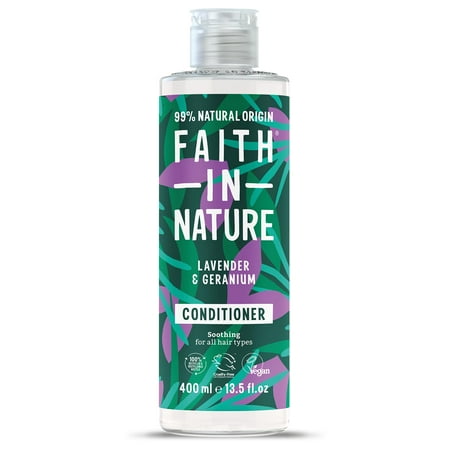

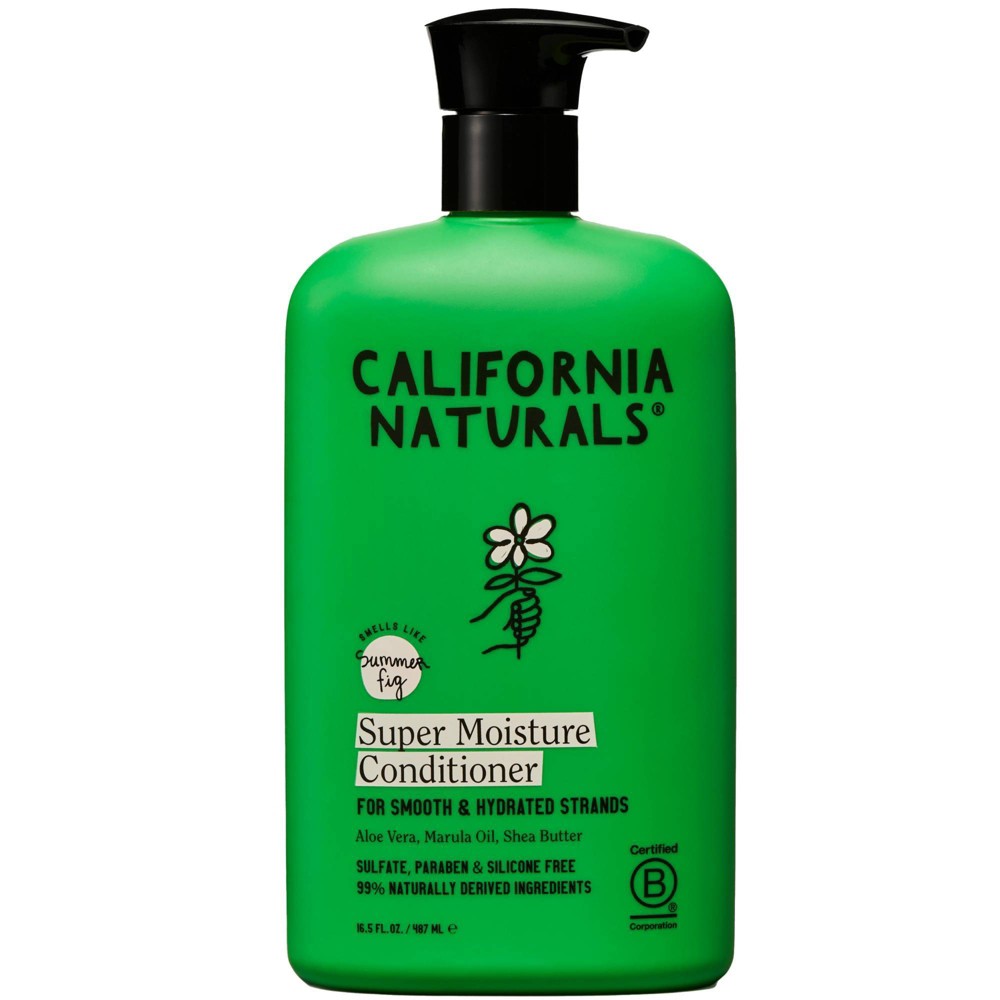

Super Nature Potent Aloe Conditioner 30 Fluid Ounce
Analysis updated May 2026 · How Scout scores
At a glance
Summary
This conditioner contains several beneficial natural ingredients like aloe juice, jojoba oil, and shea butter, which are known for their moisturizing and nourishing properties. However, the presence of synthetic additives such as dimethicone and benzyl alcohol, which can cause buildup and irritation, respectively, affects the overall ingredient quality. The product is moderately processed, which further impacts its rating despite the presence of some high-quality components.
Key ingredients 14
Aloe Barbadensis Leaf JuiceVery Good
Aloe Barbadensis Leaf Juice is a natural ingredient known for its soothing and moisturizing properties. It is minimally processed, retaining most of its beneficial compounds. It is often used in haircare for its ability to hydrate and condition the hair.
Benefits
Rich in vitamins and enzymes that promote healthy hair and scalp.
Jojoba OilVery Good
Jojoba Oil is a natural oil that closely resembles the scalp's natural sebum. It is minimally processed and rich in vitamins and minerals. It is highly beneficial for nourishing and conditioning the hair.
Benefits
Nourishes and conditions hair, promoting shine and softness.
Shea ButterVery Good
Shea Butter is a natural fat extracted from the nuts of the shea tree, known for its rich moisturizing properties. It is minimally processed and provides deep conditioning to hair. It is especially beneficial for dry and damaged hair.
Benefits
Deeply moisturizes and conditions hair, improving texture and manageability.
Aloe Barbadensis Leaf Juice PowderGood
Aloe Barbadensis Leaf Juice Powder is a concentrated form of aloe juice, providing similar benefits in a more potent form. The powder is derived through dehydration, preserving its active components. It enhances the moisturizing effect of the conditioner.
Benefits
Offers concentrated hydration and soothing properties for the scalp.
GlycerinGood
Glycerin is a humectant that attracts moisture to the hair, helping to maintain hydration. It is naturally derived and widely used in haircare for its moisturizing properties. It is beneficial for dry or damaged hair.
Benefits
Helps retain moisture in hair, improving softness and elasticity.
TocopherolGood
Tocopherol, or Vitamin E, is an antioxidant that helps protect hair from environmental damage. It is naturally derived and beneficial for maintaining hair health. It also helps extend the shelf life of the product by preventing oxidation.
Benefits
Protects hair from oxidative stress and environmental damage.
Behentrimonium ChlorideNeutral
Behentrimonium Chloride is a conditioning agent that helps detangle and soften hair. It is synthetically derived and commonly used in haircare products. While effective, it is not naturally sourced.
Risks
May cause irritation in sensitive individuals if used in high concentrations.
Benefits
Improves hair manageability and reduces static.
Cetearyl AlcoholNeutral
Standard formulation ingredient — neither beneficial nor harmful at typical use.
Benefits
Provides a smooth, creamy texture and enhances moisture retention in hair.
Cocamidopropyl BetaineNeutral
Cocamidopropyl Betaine is a surfactant derived from coconut oil, used for its foaming and cleansing properties. It is moderately processed and can cause irritation in some individuals. It is often used to enhance the spreadability of conditioners.
Risks
May cause skin irritation or allergic reactions in sensitive individuals.
Benefits
Improves the spreadability and foaming of the product.
Sodium ChlorideNeutral
Sodium Chloride, or table salt, is used to adjust the viscosity of cosmetic products. It is naturally occurring and generally considered safe in small amounts. Its role is primarily functional rather than beneficial for hair health.
Risks
Excessive use can lead to dryness or irritation in some individuals.
Benefits
Helps thicken the product and improve its texture.
Benzyl AlcoholBad
Benzyl Alcohol is used as a preservative and solvent in cosmetic products. It is synthetically produced and can cause irritation in some individuals. Its inclusion is primarily for product stability rather than hair benefits.
Risks
Potential for skin irritation and allergic reactions in sensitive individuals.
Benefits
Helps preserve the product by preventing microbial growth.
DimethiconeBad
Dimethicone is a silicone-based polymer used to provide a smooth, silky feel to hair. It is highly processed and can build up on hair over time, potentially leading to dullness. Its use is primarily for cosmetic effect rather than hair health.
Risks
Can cause buildup on hair, leading to potential dullness and heaviness.
Benefits
Provides a smooth, frizz-free finish to hair.
Sodium BenzoateBad
Sodium Benzoate is a preservative used to prevent microbial growth in cosmetic products. It is synthetically produced and can cause irritation in some individuals. Its primary function is to extend the shelf life of the product.
Risks
Potential for skin irritation and allergic reactions in sensitive individuals.
Benefits
Helps maintain product freshness by inhibiting microbial growth.
FragranceVery Bad
Fragrance is added to products to provide a pleasant scent but is often composed of synthetic chemicals. It can cause irritation or allergic reactions in sensitive individuals. Its inclusion is for sensory appeal rather than hair health.
Risks
Potential for skin irritation and allergic reactions in sensitive individuals.
Processing
Processed Foods
Get the full breakdown in the Scout appTake Scout shopping
Scan any product to see lab results, healthy alternatives, and your personalized analysis.
Download on theApp Store GET IT ONGoogle PlayAmazon pricing & content
Amazon price as of . Product prices and availability are accurate as of the date/time indicated and are subject to change. Any price and availability information displayed on Amazon.com at the time of purchase will apply to the purchase of this product.
CERTAIN CONTENT THAT APPEARS ON THIS SITE COMES FROM AMAZON. THIS CONTENT IS PROVIDED “AS IS” AND IS SUBJECT TO CHANGE OR REMOVAL AT ANY TIME.