
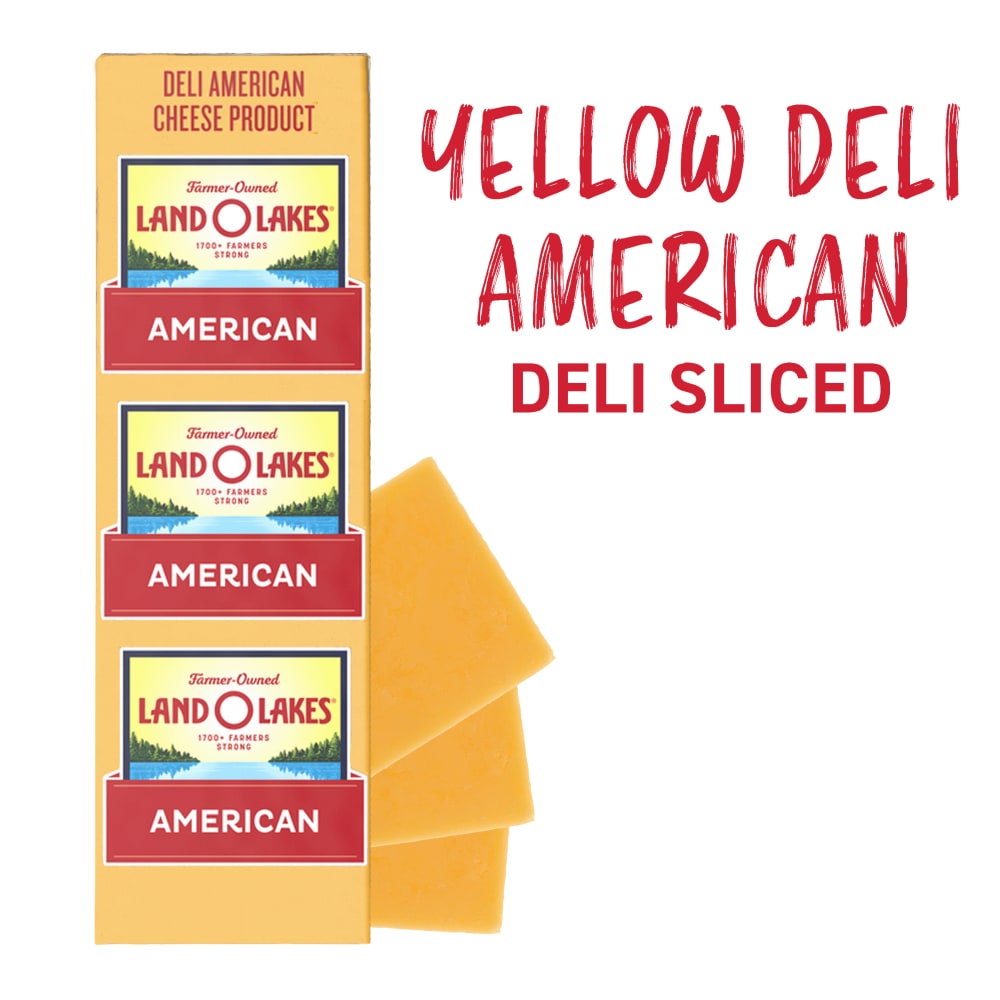




Land O Lakes PREMIUM DELI CHEESE AMERICAN EXCELLENT SOURCE OF CALCIUM
Land O LakesAnalysis updated August 2026 · How Scout scores
At a glance
Summary
This cheese product is ultra-processed, containing emulsifiers like sodium and potassium phosphates, which contribute to its high processing level. While it includes beneficial ingredients such as cultured pasteurized milk and skim milk, the presence of additives and its processed nature limit its healthfulness compared to less processed cheese options.
Key ingredients 11
Cultured pasteurized milkGood
Cultured pasteurized milk is a primary ingredient in cheese, providing essential nutrients like calcium and protein. The pasteurization process ensures safety by eliminating harmful bacteria. Culturing enhances flavor and digestibility.
Benefits
Rich in calcium and protein, supporting bone health and muscle maintenance.
MilkfatGood
Beneficial ingredient — whole-food or functional value in this product class.
Risks
Excessive consumption of saturated fats may increase the risk of heart disease.
Benefits
Provides fat-soluble vitamins and contributes to the creamy texture of cheese.
Milk protein concentrateGood
Beneficial ingredient — whole-food or functional value in this product class.
Benefits
Increases protein content, supporting muscle maintenance and repair.
Skim milkNeutral
Standard formulation ingredient — neither beneficial nor harmful at typical use.
Benefits
Provides calcium and protein with reduced fat content, beneficial for bone health and weight management.
ButtermilkNeutral
Buttermilk is a fermented dairy product that adds tangy flavor and moisture to cheese. It is low in fat and contains probiotics that may aid digestion. However, its nutritional contribution is minimal in small quantities.
Benefits
Contains probiotics that may support digestive health.
SaltNeutral
Salt is used in cheese for flavor enhancement and preservation. It is a common ingredient in processed foods and should be consumed in moderation. Excessive sodium intake can lead to health issues.
Risks
High sodium intake may contribute to hypertension and cardiovascular issues.
Benefits
Enhances flavor and acts as a preservative in cheese.
Tricalcium phosphateNeutral
Tricalcium phosphate is used as a calcium fortifier and anti-caking agent in cheese. It helps maintain the product's texture and nutritional profile. It is generally recognized as safe when consumed in typical amounts.
Benefits
Provides additional calcium, supporting bone health.
Lactic acidNeutral
Lactic acid is a natural acid used to adjust the pH and enhance flavor in cheese. It is produced through fermentation and is generally recognized as safe. It contributes to the tangy taste of cheese.
Benefits
Enhances flavor and aids in pH adjustment in cheese production.
EnzymesNeutral
Enzymes are used in cheese production to aid in coagulation and flavor development. They are essential for transforming milk into cheese. Typically derived from microbial or animal sources.
Benefits
Essential for cheese production, aiding in coagulation and flavor development.
Sodium phosphatesBad
Sodium phosphates are used as emulsifiers and stabilizers in processed cheese. They can contribute to the ultra-processed nature of the product. Excessive intake may affect kidney function and bone health.
Risks
High intake may lead to imbalances in calcium and phosphorus, affecting bone health.
Benefits
Improves texture and stability of processed cheese.
Potassium phosphatesBad
Potassium phosphates are used as emulsifiers and stabilizers in processed foods. They can contribute to the ultra-processed nature of the product. Excessive intake may affect kidney function and electrolyte balance.
Risks
High intake may lead to imbalances in electrolytes and affect kidney function.
Benefits
Improves texture and stability of processed cheese.
Processing
Ultra-Processed Foods
Get the full breakdown in the Scout appTake Scout shopping
Scan any product to see lab results, healthy alternatives, and your personalized analysis.
Download on theApp Store GET IT ONGoogle Play