


At a glance
Summary
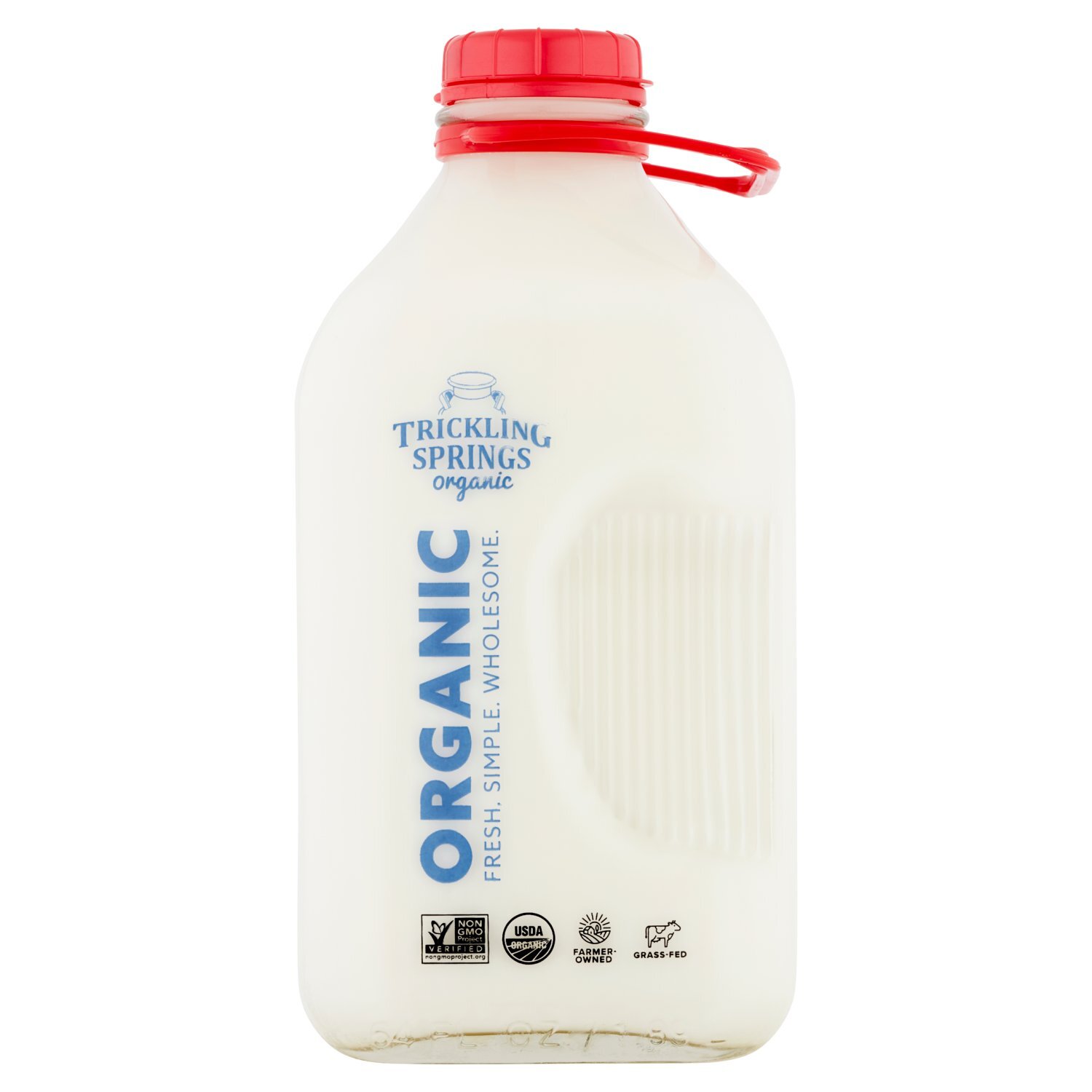
Whole milk is a minimally processed product that retains its natural nutrient profile, providing high-quality protein and essential nutrients like calcium and vitamin B12. The addition of vitamin D3 enhances its nutritional value, supporting bone health and immune function. Its simple ingredient list and low processing level contribute to a high score, reflecting its status as a wholesome and nutritious food choice.
Key ingredients 2
MilkGood
Milk is a natural source of high-quality protein and essential nutrients like calcium and vitamin B12. It is minimally processed, retaining its natural nutrient profile. Grass-fed or organic milk can offer additional health benefits due to higher omega-3 fatty acid content.
Risks
Some individuals may be lactose intolerant or allergic to milk proteins, which can cause digestive issues or allergic reactions.
Benefits
Rich in calcium and vitamin D, which are crucial for bone health. Provides high-quality protein that supports muscle growth and repair.
Vitamin D3Good
Vitamin D3 is added to milk to enhance its nutritional profile, supporting bone health and immune function. It is typically derived from lanolin or fish oil, making it effective in raising vitamin D levels in the body. Fortification helps prevent deficiencies, especially in populations with limited sun exposure.
Benefits
Supports calcium absorption and bone health. Plays a role in immune system regulation and may help reduce inflammation.
Processing
Unprocessed or Minimally Processed Foods
Get the full breakdown in the Scout appTake Scout shopping
Scan any product to see lab results, healthy alternatives, and your personalized analysis.
Download on theApp Store GET IT ONGoogle Play