


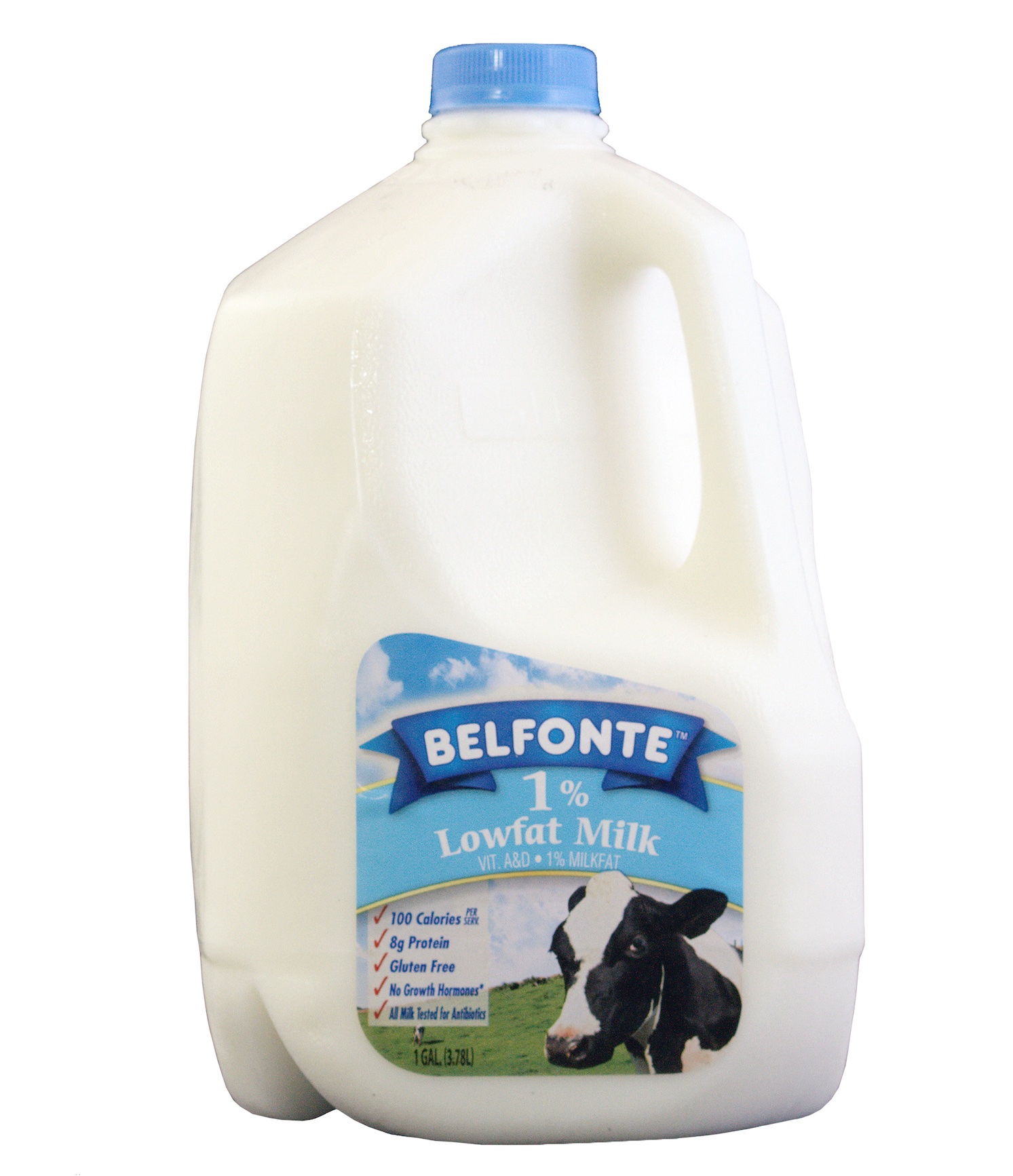
At a glance
Summary
This product is minimally processed and primarily composed of milk products, which are rich in essential nutrients like calcium and high-quality protein. The absence of additives and the focus on natural ingredients contribute to its high rating, making it a healthy choice for supporting bone health and muscle function.
Key ingredients 4
Milk productsGood
Milk products are a source of essential nutrients like calcium and vitamin D. They provide high-quality protein and are minimally processed. Consuming milk products can support bone health and muscle function.
Risks
Some individuals may be lactose intolerant or allergic to milk proteins.
Benefits
Rich in calcium and vitamin D, which are crucial for maintaining strong bones and teeth. Provides high-quality protein necessary for muscle repair and growth.
Milk proteinGood
Milk protein is a high-quality protein source with a complete amino acid profile. It is minimally processed and supports muscle repair and growth. Milk protein is easily digestible and beneficial for maintaining muscle mass.
Risks
May cause allergic reactions in individuals with milk protein allergies.
Benefits
Provides all essential amino acids necessary for muscle repair and growth. Supports immune function and overall health.
LactoseNeutral
Lactose is a natural sugar found in milk and dairy products. It is minimally processed and provides a source of energy. Lactose is generally well-tolerated but can cause digestive issues in lactose-intolerant individuals.
Risks
Can cause digestive discomfort in individuals with lactose intolerance.
Benefits
Provides a source of energy and supports the absorption of calcium and other minerals.
CalciumNeutral
Calcium is an essential mineral important for bone health and muscle function. It is naturally present in milk and is minimally processed. Adequate calcium intake is crucial for preventing osteoporosis and maintaining strong bones.
Risks
Excessive calcium intake can lead to kidney stones and impaired absorption of other minerals.
Benefits
Supports bone health and muscle function. Helps prevent osteoporosis and maintain strong bones.
Processing
Unprocessed or Minimally Processed Foods
Get the full breakdown in the Scout appTake Scout shopping
Scan any product to see lab results, healthy alternatives, and your personalized analysis.
Download on theApp Store GET IT ONGoogle Play