
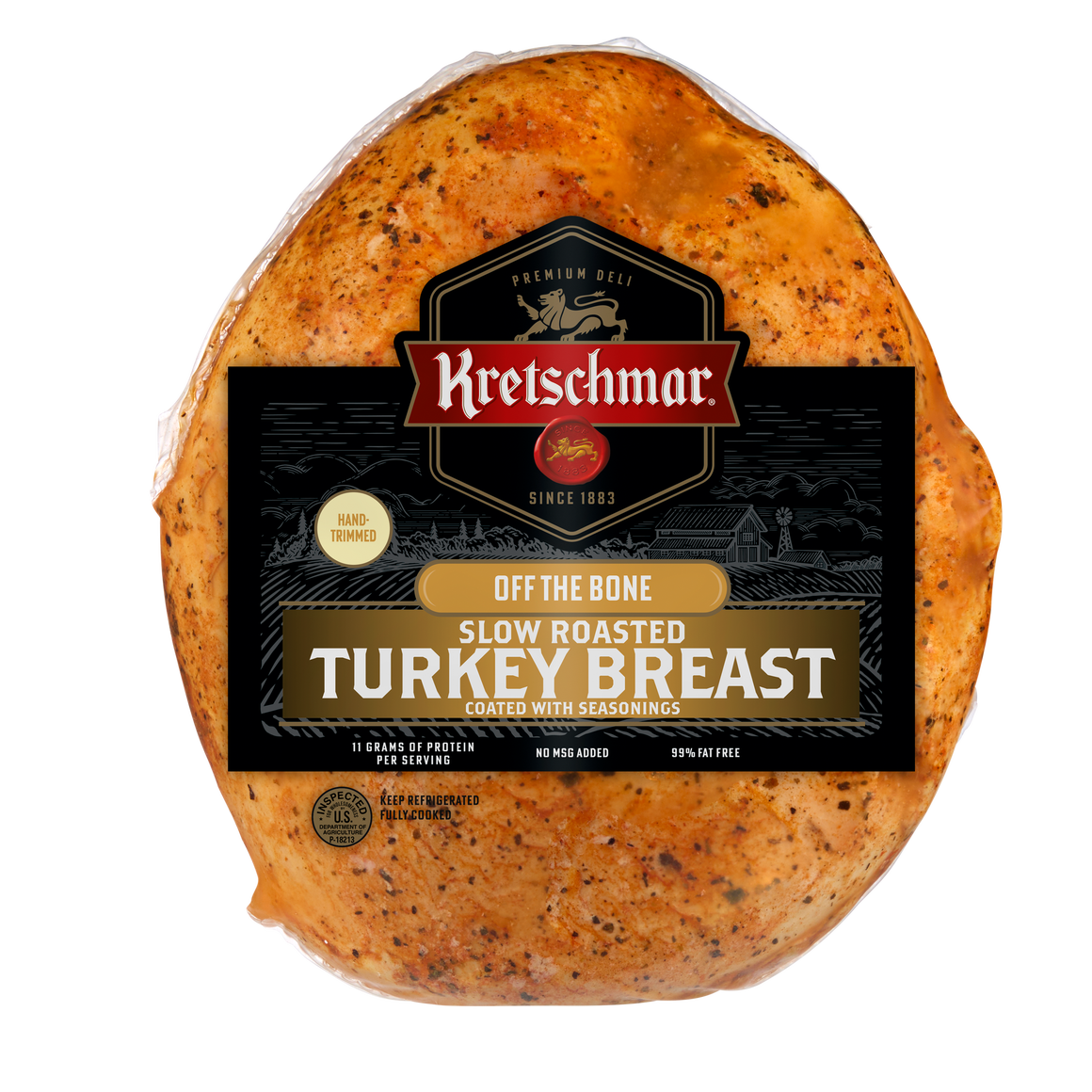
SLOW ROASTED TURKEY BREAST

H-E-B
60 Fair
$5.67
View on Amazon
Verified Amazon match

Summary

This turkey breast product is heavily processed, which limits its healthiness despite having a good protein content. The presence of carrageenan and natural flavors, along with a high sodium content, raises concerns about potential health impacts. While the ingredient list is relatively short, the processing level and use of additives prevent it from being rated higher.

At a glance

Beneficial ingredients 1
Harmful ingredients 2
Owned by Butt family
Category Meat And Seafood

Key ingredients 7

Turkey breast
Good

Turkey breast is a high-quality source of lean protein, essential for muscle repair and growth. It is minimally processed compared to other meats, retaining most of its natural nutrients. As a whole food, it provides a rich amino acid profile beneficial for overall health.

Benefits

Rich in protein and low in fat, making it an excellent choice for maintaining muscle mass and supporting weight management.

Water
Neutral

Water is used as a processing aid and does not contribute any nutritional value. It is often added to maintain moisture in processed meats. There are no health concerns associated with water in this context.

See more about Water →
Honey
Neutral

Honey is a natural sweetener that provides a small amount of vitamins and minerals. In this product, it is used in minimal quantities, contributing little to the overall nutritional profile. Its natural sugars are preferable to refined sugars but should still be consumed in moderation.

Risks

Excessive consumption of honey can contribute to increased calorie intake and potential blood sugar spikes.

Benefits

Contains antioxidants and trace amounts of vitamins and minerals, offering some health benefits over refined sugars.

See more about Honey →
Vinegar
Neutral

Vinegar is used as a preservative and flavor enhancer in many food products. It is a natural ingredient with minimal processing involved. While it does not provide significant nutritional benefits, it can aid in flavor enhancement and preservation.

Benefits

May aid in digestion and provide antimicrobial properties, although these benefits are minimal in the quantities used.

See more about Vinegar →
Salt
Neutral

Salt is used as a preservative and flavor enhancer but can contribute to high sodium intake. Excessive consumption of sodium is linked to increased blood pressure and cardiovascular risks. In processed foods, salt is often added in higher quantities than necessary for flavor.

Risks

High sodium intake is associated with hypertension and increased risk of heart disease.

Benefits

Essential for maintaining fluid balance and nerve function, but only in small amounts.

See more about Salt →
Carrageenan
Bad

Carrageenan is a seaweed-derived additive used to improve texture and stability in processed foods. It has been linked to digestive issues and inflammation in some studies. While it is generally recognized as safe, its potential health impacts are still debated.

Risks

May cause gastrointestinal discomfort and inflammation in sensitive individuals.

See more about Carrageenan →
Natural flavor
Bad

Natural flavors are used to enhance taste but can be derived from complex chemical processes. They often contain multiple compounds, making it difficult to assess their full impact. The lack of transparency in their composition raises concerns about potential allergens and additives.

Risks

Potential allergens and unknown additives may pose health risks to sensitive individuals.

See more about Natural flavor →

Processing

Group 4 · Ultra-processed

Ultra-Processed Foods

Get the full breakdown in the Scout app

Scan any product to see lab results, healthy alternatives, and your personalized analysis.

Download on theApp Store