
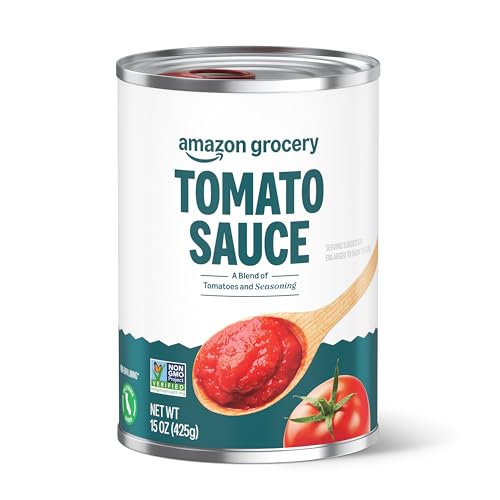
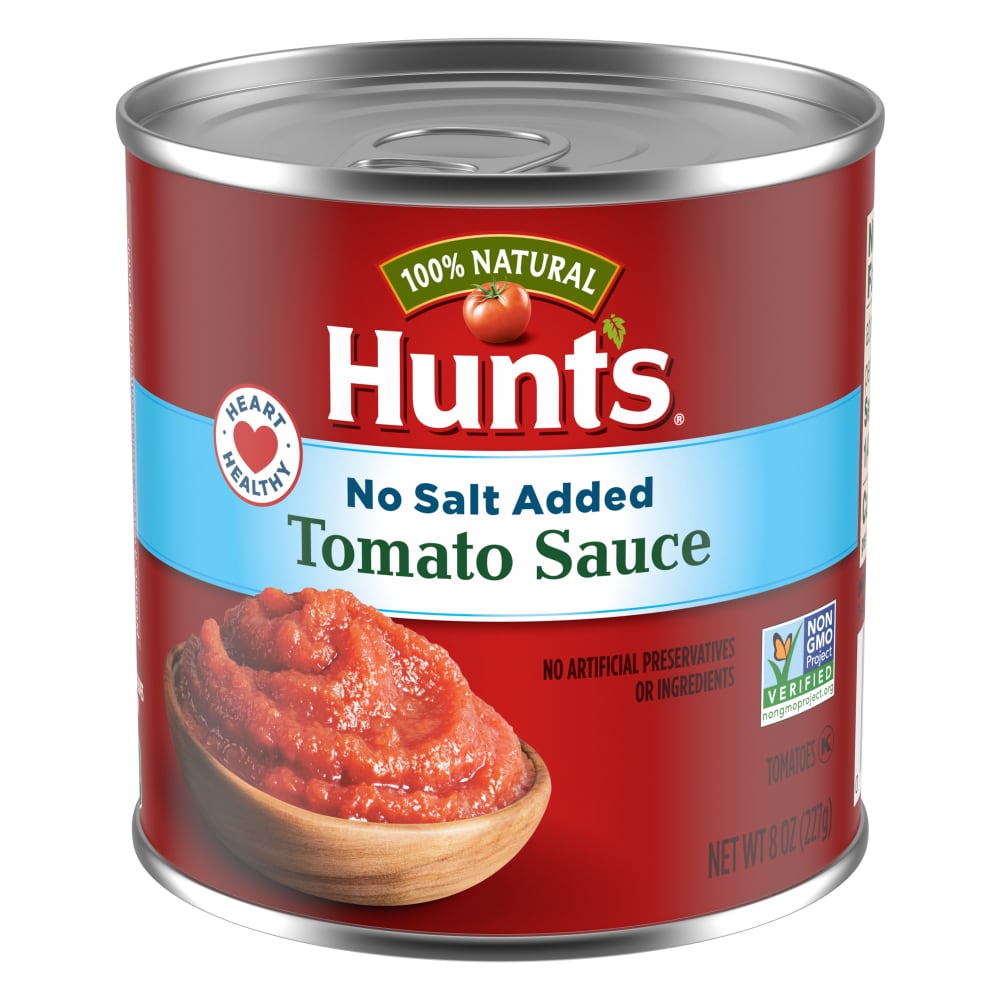


At a glance
Summary
This tomato sauce is ultra-processed, which limits its potential health score. It contains natural flavors, which are often highly processed and lack transparency, and a relatively high salt content, which can contribute to cardiovascular issues if consumed in excess. Despite these concerns, the ingredient list is relatively short and lacks major harmful additives, which helps mitigate some of the negative aspects of its processing level.
Key ingredients 8
Garlic powderGood
Concentrated whole-food seasoning.
Benefits
Contains allicin, which may have antimicrobial and cardiovascular benefits, though in smaller amounts than fresh garlic.
Tomato pureeNeutral
Tomato puree is a concentrated form of tomatoes, providing a rich source of vitamins and antioxidants. It is typically made by cooking and straining tomatoes, which can enhance flavor but may reduce some nutrient content. The puree is a common base in sauces, offering a natural source of lycopene.
Benefits
Contains lycopene, an antioxidant linked to reduced risk of certain diseases. Provides vitamins A and C, supporting immune function and skin health.
WaterNeutral
Water is used as a solvent and to adjust the consistency of the sauce. It is a neutral ingredient with no direct nutritional impact. Its presence ensures the sauce is not overly thick.
See more about Water →SaltNeutral
Salt is used to enhance flavor and preserve the sauce. Excessive consumption of salt can lead to high blood pressure and other cardiovascular issues. It is important to monitor intake to avoid potential health risks.
Risks
High sodium intake is associated with increased risk of hypertension and cardiovascular diseases.
Benefits
Enhances flavor and acts as a preservative, extending the shelf life of the product.
Onion powderNeutral
Onion powder is a dehydrated form of onions, used to add flavor without moisture. It retains some of the nutritional benefits of fresh onions but in a concentrated form. It is a common seasoning in processed foods.
Benefits
Provides flavor and some antioxidants, similar to fresh onions, though in lesser amounts.
Citric acidNeutral
Citric acid is a natural preservative and flavor enhancer, often used to add acidity to foods. It is commonly derived from citrus fruits or produced via fermentation. It helps maintain the stability and shelf life of the product.
Risks
Excessive consumption may cause dental erosion or gastrointestinal discomfort.
Benefits
Acts as a preservative and enhances flavor by adding a tangy taste.
Dehydrated bell peppersNeutral
Dehydrated bell peppers add flavor and color to the sauce. They retain some nutrients found in fresh peppers, such as vitamins A and C, though in reduced amounts. They are a natural ingredient used to enhance the product's appeal.
Benefits
Provides flavor and some vitamins, contributing to the nutritional profile of the sauce.
Natural flavorsBad
Natural flavors are used to enhance taste but can be derived from various sources, making them less transparent. They are often highly processed and can contain multiple compounds. The lack of specificity can be concerning for those with allergies or sensitivities.
Risks
Potential allergen risk due to unspecified sources and processing methods.
Benefits
Enhances flavor without adding calories or sugar.
Processing
Ultra-Processed Foods
Get the full breakdown in the Scout appTake Scout shopping
Scan any product to see lab results, healthy alternatives, and your personalized analysis.
Download on theApp Store GET IT ONGoogle PlayAmazon pricing & content
Amazon price as of . Product prices and availability are accurate as of the date/time indicated and are subject to change. Any price and availability information displayed on Amazon.com at the time of purchase will apply to the purchase of this product.
CERTAIN CONTENT THAT APPEARS ON THIS SITE COMES FROM AMAZON. THIS CONTENT IS PROVIDED “AS IS” AND IS SUBJECT TO CHANGE OR REMOVAL AT ANY TIME.