


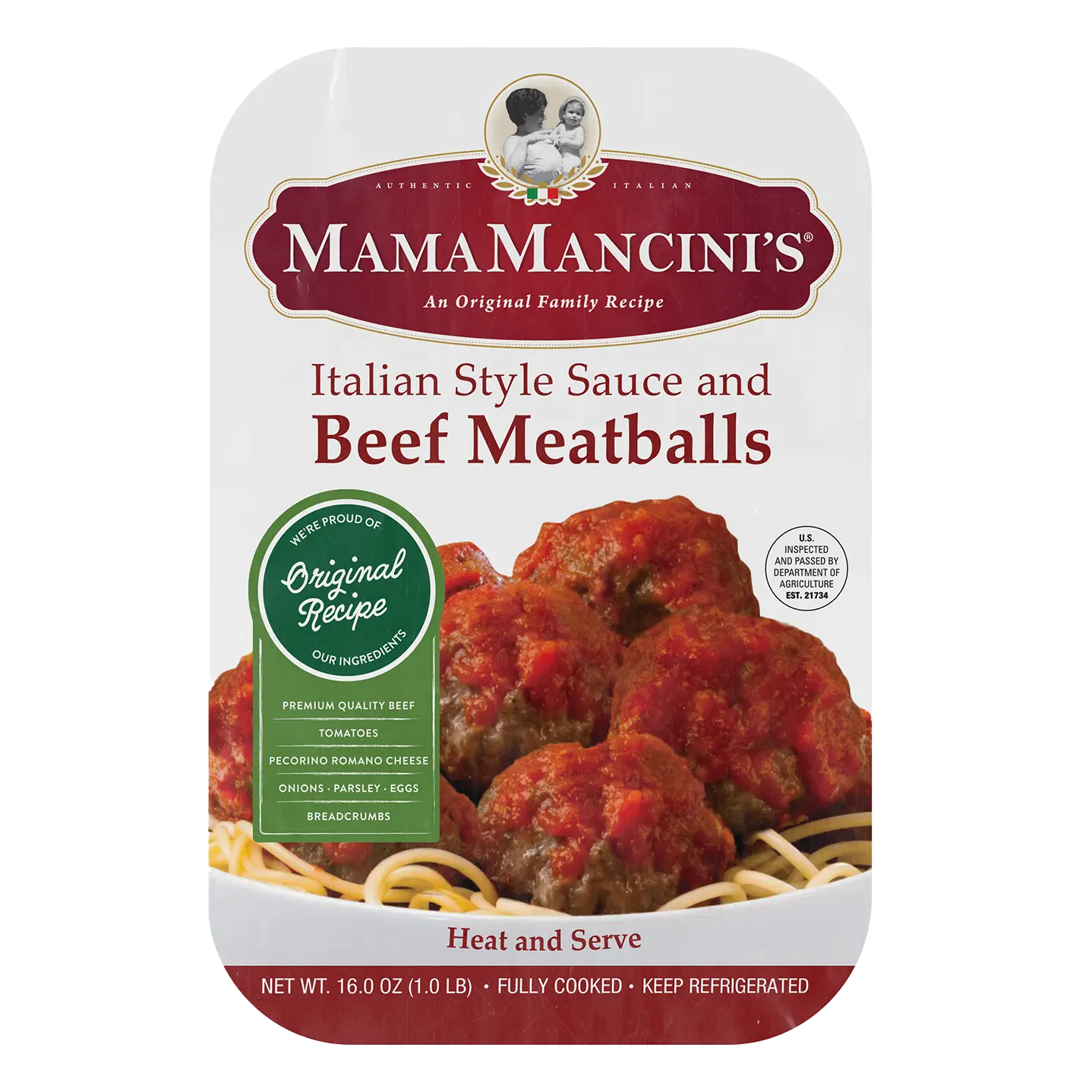
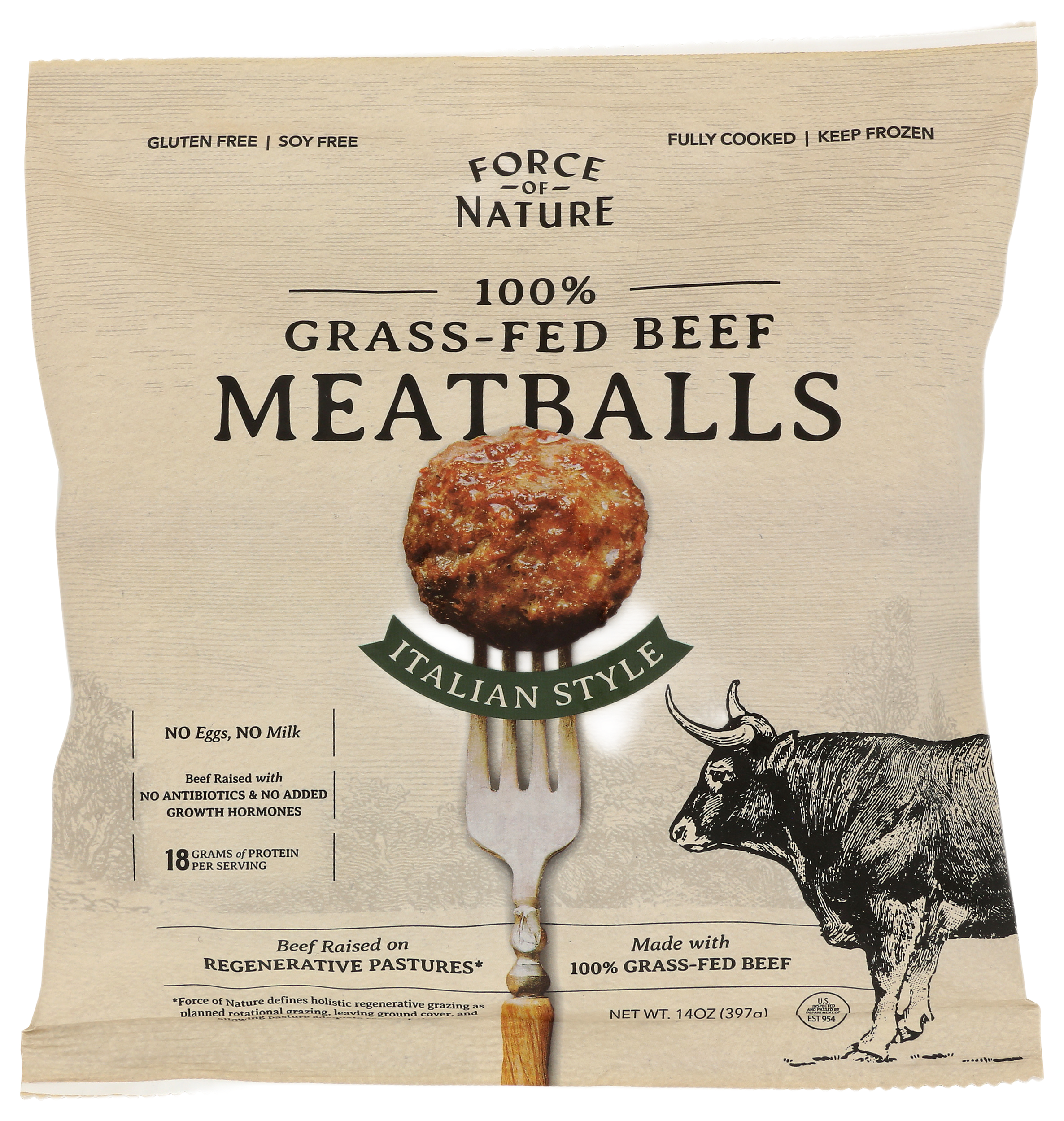

Italian Style Meatballs
Analysis updated June 2026 · How Scout scores
At a glance
Summary
The Italian Style Meatballs contain beneficial ingredients like beef, pork, and parmesan cheese, which provide high-quality protein and essential nutrients. However, the presence of processed soy products such as textured soy flour and soy protein concentrate detracts from the overall nutritional quality, as these ingredients are highly processed and may contain anti-nutrients. The product's processing level further limits its score, despite the inclusion of some whole food ingredients.
Key ingredients 8
Beef And PorkGood
Beef and pork are high-quality sources of protein and essential nutrients. They provide a complete amino acid profile necessary for muscle repair and growth. Grass-fed or pasture-raised options are preferable for higher omega-3 content.
Risks
Excessive consumption of red meat may be linked to increased risk of certain diseases.
Benefits
Rich in protein, iron, and B vitamins, supporting muscle health and energy metabolism.
Parmesan CheeseGood
Parmesan cheese is a flavorful, aged cheese that provides calcium and protein. It is made through traditional fermentation and aging processes, enhancing its nutritional profile. The aging process also reduces lactose content, making it more digestible for some individuals.
Risks
High in sodium, which may be a concern for individuals with hypertension.
Benefits
Rich in calcium and protein, supporting bone health and muscle function.
Dehydrated GarlicGood
Dehydrated garlic retains the beneficial compounds of fresh garlic, such as allicin, which has antimicrobial and anti-inflammatory properties. It is a convenient form of garlic that enhances flavor without the need for preservatives. The dehydration process preserves its nutritional benefits.
Benefits
Contains compounds that may support immune function and cardiovascular health.
OnionGood
Onions are a natural source of antioxidants and sulfur compounds that may support heart health. They are minimally processed and retain their nutritional benefits when used in cooking. Onions also provide flavor and aroma to dishes without the need for artificial additives.
Benefits
Rich in antioxidants and compounds that may support cardiovascular health.
WaterNeutral
Water is used as a processing aid and does not contribute significant nutritional value. It helps in maintaining moisture in the product. No processing concerns are associated with water.
See more about Water →Bread CrumbsNeutral
Bread crumbs are used as a binder and filler in meatballs. They are typically made from refined wheat flour, which lacks significant nutritional benefits. The processing of bread crumbs involves baking and drying, which are standard culinary practices.
Risks
May contribute to gluten sensitivity in susceptible individuals.
Benefits
Provides texture and binding properties in recipes.
Soy Protein ConcentrateBad
Soy protein concentrate is a processed form of soy used to boost protein content. It is less beneficial than whole soy foods due to processing and potential anti-nutrient content. Animal-based proteins generally offer a more complete amino acid profile.
Risks
May contain anti-nutrients and is often derived from genetically modified soybeans.
Benefits
Offers a plant-based protein source, though less complete than animal proteins.
Textured Soy FlourVery Bad
Textured soy flour is a processed soy product used to enhance texture and protein content. It is highly processed and may contain anti-nutrients that affect mineral absorption. Compared to animal proteins, it offers a less complete amino acid profile.
Risks
May contain anti-nutrients and is often genetically modified, raising health and environmental concerns.
Benefits
Provides a plant-based protein source, though less complete than animal proteins.
Processing
Processed Foods
Get the full breakdown in the Scout appTake Scout shopping
Scan any product to see lab results, healthy alternatives, and your personalized analysis.
Download on theApp Store GET IT ONGoogle PlayAmazon pricing & content
Amazon price as of . Product prices and availability are accurate as of the date/time indicated and are subject to change. Any price and availability information displayed on Amazon.com at the time of purchase will apply to the purchase of this product.
CERTAIN CONTENT THAT APPEARS ON THIS SITE COMES FROM AMAZON. THIS CONTENT IS PROVIDED “AS IS” AND IS SUBJECT TO CHANGE OR REMOVAL AT ANY TIME.