


At a glance
Summary
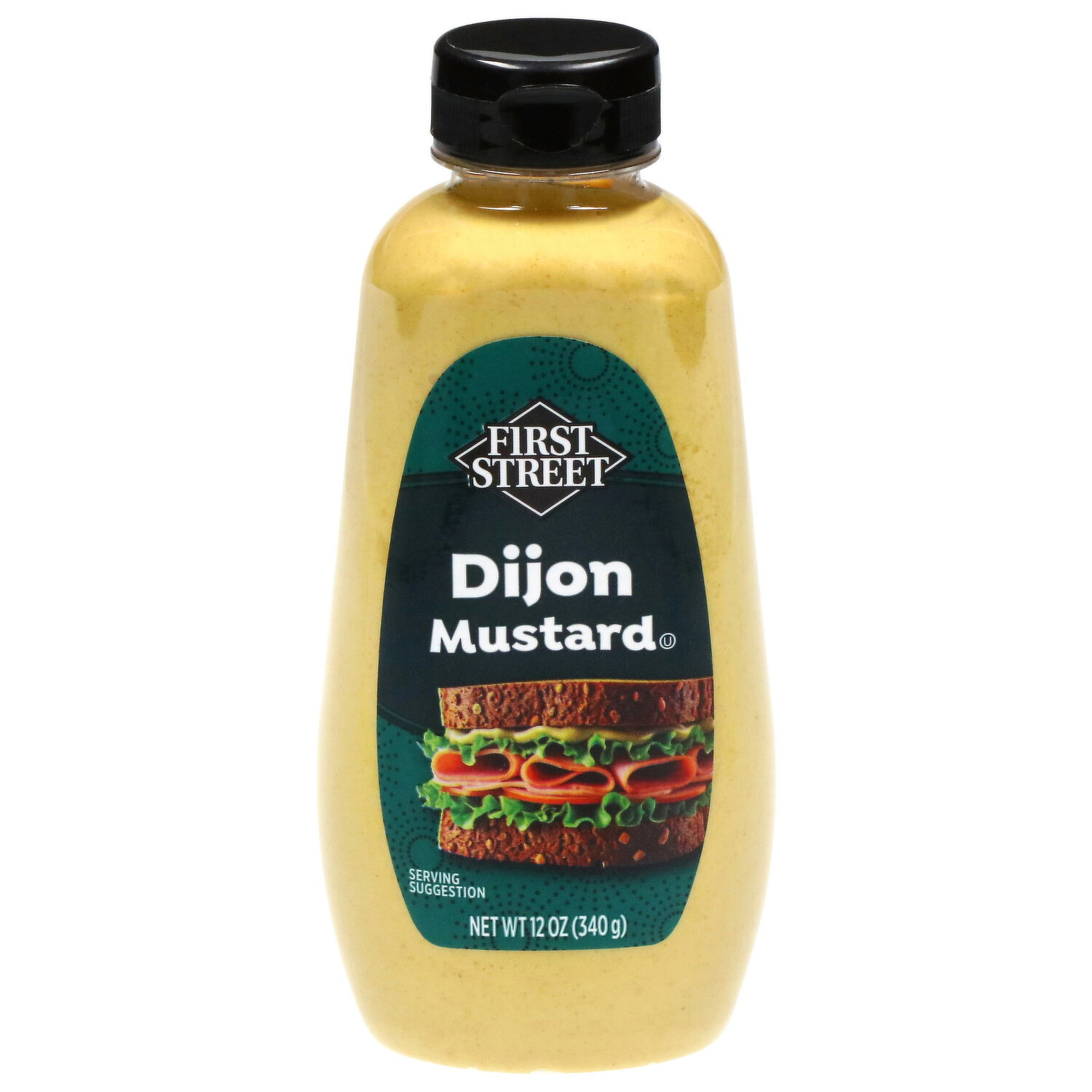
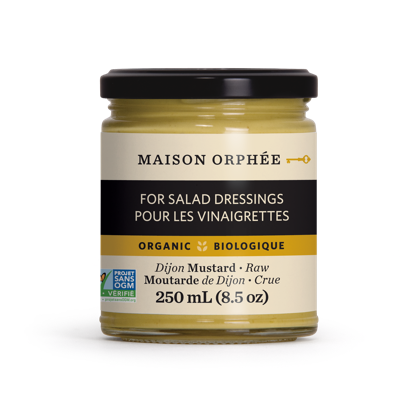
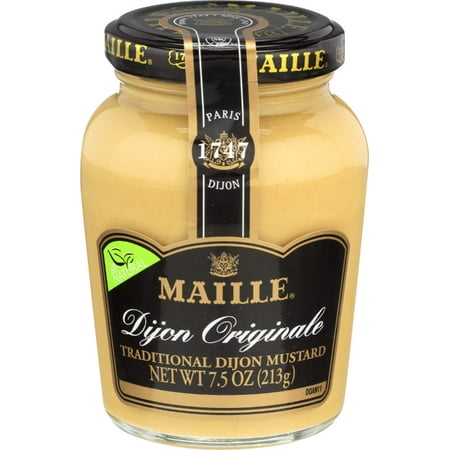
This Dijon mustard is made with a clean ingredient list, featuring mustard seeds, distilled vinegar, and sea salt, which are minimally processed and contribute to its flavor profile. The absence of artificial additives and seed oils is a positive aspect, although the product is still considered processed due to its preparation method. The processing level limits the maximum score, but the high-quality ingredients ensure a strong rating within its category.
Key ingredients 6
Mustard SeedGood
Mustard seeds are the primary flavoring agent in Dijon mustard, providing a distinct pungent taste. They are rich in phytonutrients and have been associated with potential anti-inflammatory properties. The seeds are ground to release their oils and flavors, enhancing the mustard's taste profile.
Risks
Mustard seeds can cause allergic reactions in some individuals.
Benefits
Rich in phytonutrients and may have anti-inflammatory properties.
Sea SaltGood
Sea salt is a natural source of sodium and trace minerals, used to enhance flavor. It is less processed than regular table salt, retaining more of its natural mineral content. Its inclusion in the product contributes to the overall taste without excessive processing.
Risks
Excessive sodium intake can lead to health issues such as hypertension.
Benefits
Provides essential minerals and enhances flavor.
SpicesGood
Whole-food seasonings, antioxidant-bearing.
See more about Spices →TurmericGood
Beneficial ingredient — whole-food or functional value in this product class.
Benefits
Contains curcumin, which may have anti-inflammatory properties.
Distilled VinegarNeutral
Distilled vinegar is a common acidic ingredient used for flavor and preservation. It is produced through the fermentation of ethanol by acetic acid bacteria. While it adds tanginess and acts as a preservative, it does not provide significant nutritional benefits.
See more about Distilled Vinegar →WaterNeutral
Water is used as a solvent and to adjust the consistency of the mustard. It is a neutral ingredient with no direct nutritional impact. Its presence ensures the product maintains a spreadable texture.
See more about Water →Processing
Processed Foods
Get the full breakdown in the Scout appTake Scout shopping
Scan any product to see lab results, healthy alternatives, and your personalized analysis.
Download on theApp Store GET IT ONGoogle Play