


At a glance
Summary
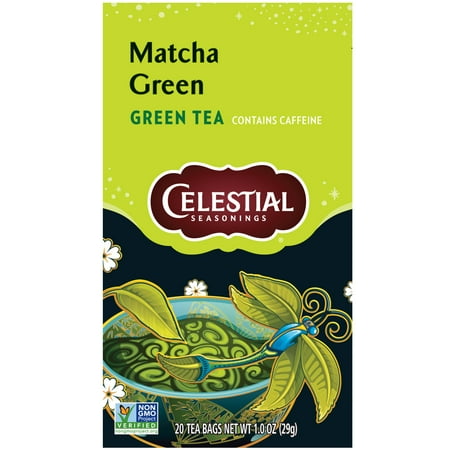
This tea is composed primarily of beneficial ingredients like green tea, lemon peel, and Asian ginseng, which are known for their health-promoting properties. The presence of natural flavors is a minor concern due to their lack of transparency, but the overall ingredient list is clean and minimally processed, contributing to a high score.
Key ingredients 7
Green TeaVery Good
Green tea is rich in antioxidants, particularly catechins, which have been shown to support heart health and improve brain function. It is minimally processed, retaining most of its natural compounds. The presence of L-theanine in green tea also promotes relaxation and focus.
Benefits
Contains antioxidants that may reduce the risk of chronic diseases and improve overall health.
Asian GinsengVery Good
Asian ginseng is renowned for its adaptogenic properties, helping the body manage stress and improve energy levels. It is a traditional herbal remedy with potential benefits for cognitive function and immune support. Ginseng is minimally processed and retains its natural compounds.
Risks
May interact with certain medications and cause side effects like insomnia if consumed in large amounts.
Benefits
Supports stress management, boosts energy, and may enhance cognitive function.
Roasted ChicoryGood
Roasted chicory is often used as a caffeine-free coffee substitute and contains inulin, a prebiotic fiber that supports gut health. It is minimally processed and adds a rich, roasted flavor to beverages. Chicory root may also help improve digestion and support liver health.
Benefits
Contains inulin, which supports gut health and may improve digestion.
Lemon PeelGood
Lemon peel is rich in vitamin C and other antioxidants, which can boost the immune system and improve skin health. It is a natural ingredient that adds flavor and nutritional benefits to the tea. The essential oils in lemon peel may also have antimicrobial properties.
Benefits
Rich in vitamin C and antioxidants, supporting immune health and skin vitality.
Dried HoneyGood
Dried honey provides natural sweetness and contains small amounts of vitamins and minerals. It is less processed than refined sugars and can offer some antioxidant properties. Honey is also known for its antimicrobial effects.
Risks
Excessive consumption can contribute to increased calorie intake and potential blood sugar spikes.
Benefits
Offers natural sweetness and contains antioxidants with potential health benefits.
LicoriceNeutral
Licorice is often used for its sweet flavor and potential health benefits, such as soothing digestive issues. However, excessive consumption can lead to health issues like hypertension. It is generally safe in moderate amounts found in teas.
Risks
Excessive consumption may lead to increased blood pressure and other health issues.
Benefits
May help soothe digestive issues and has anti-inflammatory properties.
Natural FlavorBad
Natural flavors are often used to enhance taste but can be highly processed and lack transparency regarding their specific components. They may contain a variety of chemical compounds derived from natural sources. The lack of disclosure about the exact ingredients can be concerning for some consumers.
Risks
Potential for allergic reactions and lack of transparency about specific ingredients.
Processing
Processed Culinary Ingredients
Get the full breakdown in the Scout appTake Scout shopping
Scan any product to see lab results, healthy alternatives, and your personalized analysis.
Download on theApp Store GET IT ONGoogle Play