


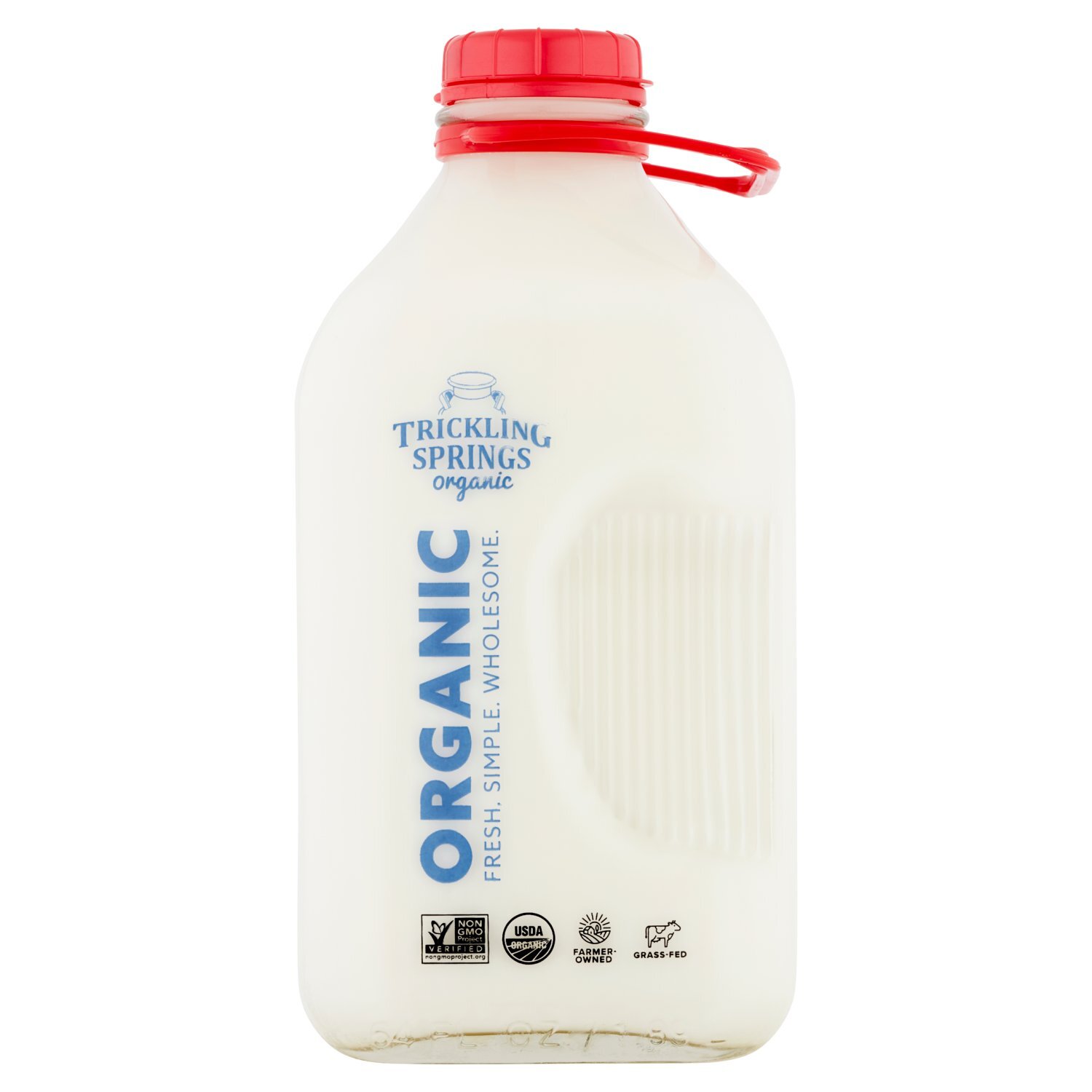
At a glance
Summary
Whole milk is a minimally processed product with a simple ingredient list, consisting primarily of milk and added vitamin D3. It provides essential nutrients such as calcium, protein, and vitamin B12, making it a nutritious choice. The low level of processing and absence of harmful additives contribute to its high rating.
Key ingredients 2
MilkGood
Milk is a natural source of essential nutrients including calcium, protein, and vitamin B12. It is minimally processed, retaining its nutritional profile and beneficial enzymes. Compared to plant-based alternatives, milk provides a complete amino acid profile and is a rich source of bioavailable nutrients.
Risks
Some individuals may experience lactose intolerance or milk allergies, which can cause digestive discomfort or allergic reactions.
Benefits
Milk is rich in calcium and vitamin D, which are crucial for bone health. It also provides high-quality protein necessary for muscle maintenance and growth.
Vitamin D3Good
Beneficial ingredient — whole-food or functional value in this product class.
Benefits
Vitamin D3 supports calcium absorption and bone health, and may also play a role in immune function.
Processing
Unprocessed or Minimally Processed Foods
Get the full breakdown in the Scout appTake Scout shopping
Scan any product to see lab results, healthy alternatives, and your personalized analysis.
Download on theApp Store GET IT ONGoogle Play