

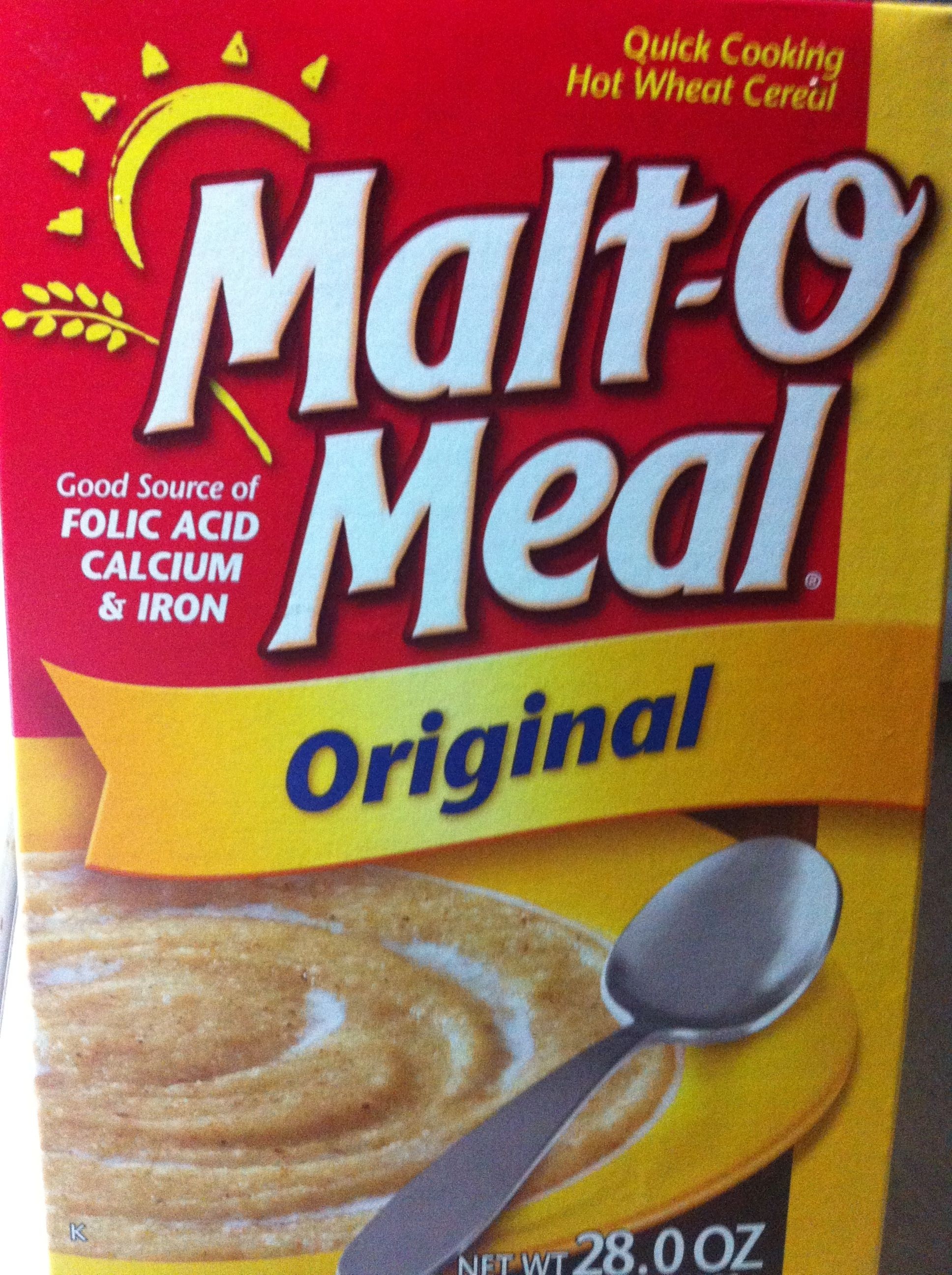

Malt-O-Meal Farina Original
Analysis updated June 2026 · How Scout scores
At a glance
Summary
This product is primarily composed of wheat farina, which is a minimally processed ingredient. It includes added vitamins and minerals, which enhance its nutritional profile without introducing harmful additives. The processing level is low, contributing to a favorable score, although the presence of refined grains slightly moderates the overall healthiness.
Key ingredients 8
NiacinamideGood
Vitamin B3 — evidence-backed skin and metabolic benefits.
Risks
High doses can cause liver damage and gastrointestinal issues.
Benefits
Supports energy metabolism and helps maintain healthy skin and nerves.
Pyridoxine HydrochlorideGood
Beneficial ingredient — whole-food or functional value in this product class.
Risks
Excessive intake can lead to nerve damage and sensory neuropathy.
Benefits
Supports protein metabolism and cognitive development.
RiboflavinGood
Essential B vitamin — beneficial micronutrient.
Benefits
Supports energy production and antioxidant protection.
Wheat FarinaNeutral
Wheat Farina is a minimally processed form of wheat that provides carbohydrates and some protein. It is not enriched with additional nutrients, which limits its nutritional profile. It is a basic ingredient often used in cereals and porridge.
Risks
May contain gluten, which can be problematic for individuals with celiac disease or gluten sensitivity.
Benefits
Provides a source of carbohydrates and some protein, which can be beneficial for energy and muscle maintenance.
Calcium CarbonateNeutral
Calcium carbonate is used as a calcium supplement and food additive. It is a common and inexpensive source of calcium. It helps in maintaining bone health when consumed in adequate amounts.
Risks
Excessive intake can lead to hypercalcemia, which may cause kidney stones and impaired absorption of other minerals.
Benefits
Provides a source of calcium, which is essential for bone health and various metabolic functions.
Ferric OrthophosphateNeutral
Ferric orthophosphate is used as an iron supplement in food products. It helps in preventing iron deficiency anemia. It is a stable form of iron that is commonly used in fortified foods.
Risks
Excessive iron intake can lead to iron overload, which may cause organ damage.
Benefits
Provides a source of iron, which is crucial for oxygen transport and energy production in the body.
Folic AcidNeutral
Folic acid is a synthetic form of vitamin B9 used in food fortification. It is crucial for DNA synthesis and cell division. It is added to foods to prevent neural tube defects during pregnancy.
Risks
High doses can mask vitamin B12 deficiency and may lead to neurological damage.
Benefits
Supports cell growth and development, particularly important during pregnancy.
Thiamin MononitrateNeutral
Thiamin mononitrate is a form of vitamin B1 used in food fortification. It is essential for carbohydrate metabolism and nerve function. It is commonly added to foods to prevent thiamin deficiency.
Benefits
Supports energy production and nerve function.
Processing
Unprocessed or Minimally Processed Foods
Get the full breakdown in the Scout appTake Scout shopping
Scan any product to see lab results, healthy alternatives, and your personalized analysis.
Download on theApp Store GET IT ONGoogle PlayAmazon pricing & content
Amazon price as of . Product prices and availability are accurate as of the date/time indicated and are subject to change. Any price and availability information displayed on Amazon.com at the time of purchase will apply to the purchase of this product.
CERTAIN CONTENT THAT APPEARS ON THIS SITE COMES FROM AMAZON. THIS CONTENT IS PROVIDED “AS IS” AND IS SUBJECT TO CHANGE OR REMOVAL AT ANY TIME.