
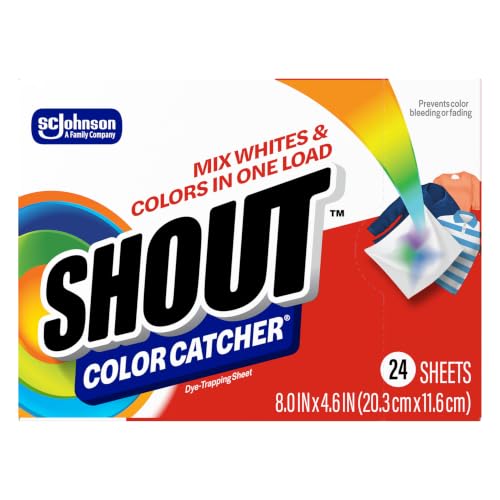

Shout Color Catcher Laundry Dye-Trapping Sheets 24 Count
Analysis updated June 2026 · How Scout scores
At a glance
Summary
The product contains natural cellulose, which is biodegradable and environmentally friendly, making it a good choice for eco-conscious consumers. However, the presence of synthetic polymers and acids, such as Vinylpyrrolidinone-Vinylimidazole-Copolymer and Alkanoic Acid, introduces some concerns regarding chemical processing and environmental impact. While these ingredients are not harmful in the context of laundry use, they do detract from the overall natural profile of the product.
Key ingredients 5
Natural CelluloseVery Good
Natural cellulose is derived from plant fibers and is a common, biodegradable material used in many household products, making it environmentally friendly.
See more about Natural Cellulose →Regenerated CelluloseGood
Regenerated cellulose is processed from natural sources like wood pulp, offering a sustainable and versatile material for product construction.
See more about Regenerated Cellulose →Alkanoic AcidNeutral
Alkanoic acids are common organic acids used in various formulations; they are generally considered neutral in terms of consumer health impact.
Vinylpyrrolidinone-Vinylimidazole-CopolymerBad
This synthetic polymer may raise concerns due to its chemical nature, which some consumers prefer to avoid in household products.
Polymer with N1-(2-Aminoalkyl)-1Bad
This complex polymer contains chemical groups that may be viewed as synthetic or potentially concerning for sensitive consumers.
Processing
Unprocessed or Minimally Processed Foods
Get the full breakdown in the Scout appTake Scout shopping
Scan any product to see lab results, healthy alternatives, and your personalized analysis.
Download on theApp Store GET IT ONGoogle PlayAmazon pricing & content
Amazon price as of . Product prices and availability are accurate as of the date/time indicated and are subject to change. Any price and availability information displayed on Amazon.com at the time of purchase will apply to the purchase of this product.
CERTAIN CONTENT THAT APPEARS ON THIS SITE COMES FROM AMAZON. THIS CONTENT IS PROVIDED “AS IS” AND IS SUBJECT TO CHANGE OR REMOVAL AT ANY TIME.