
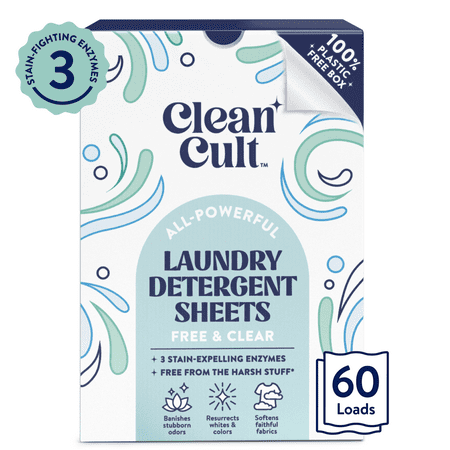
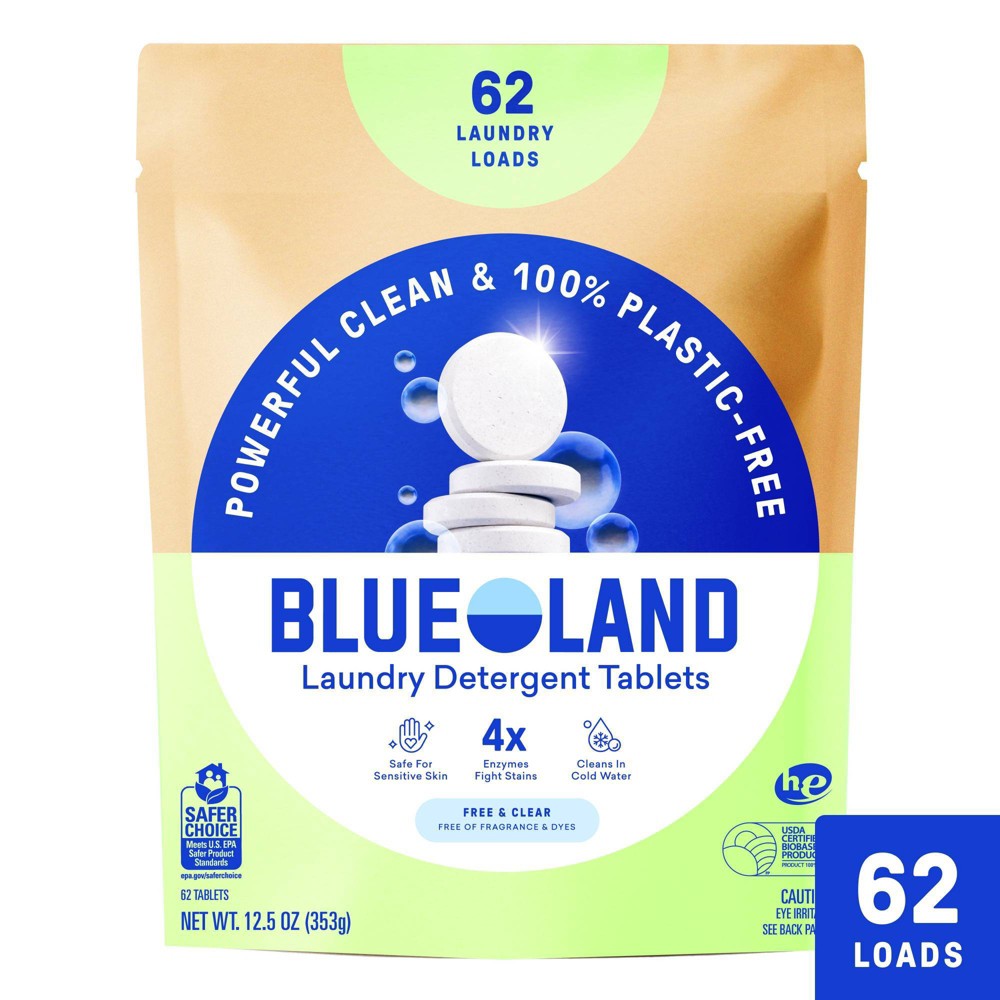
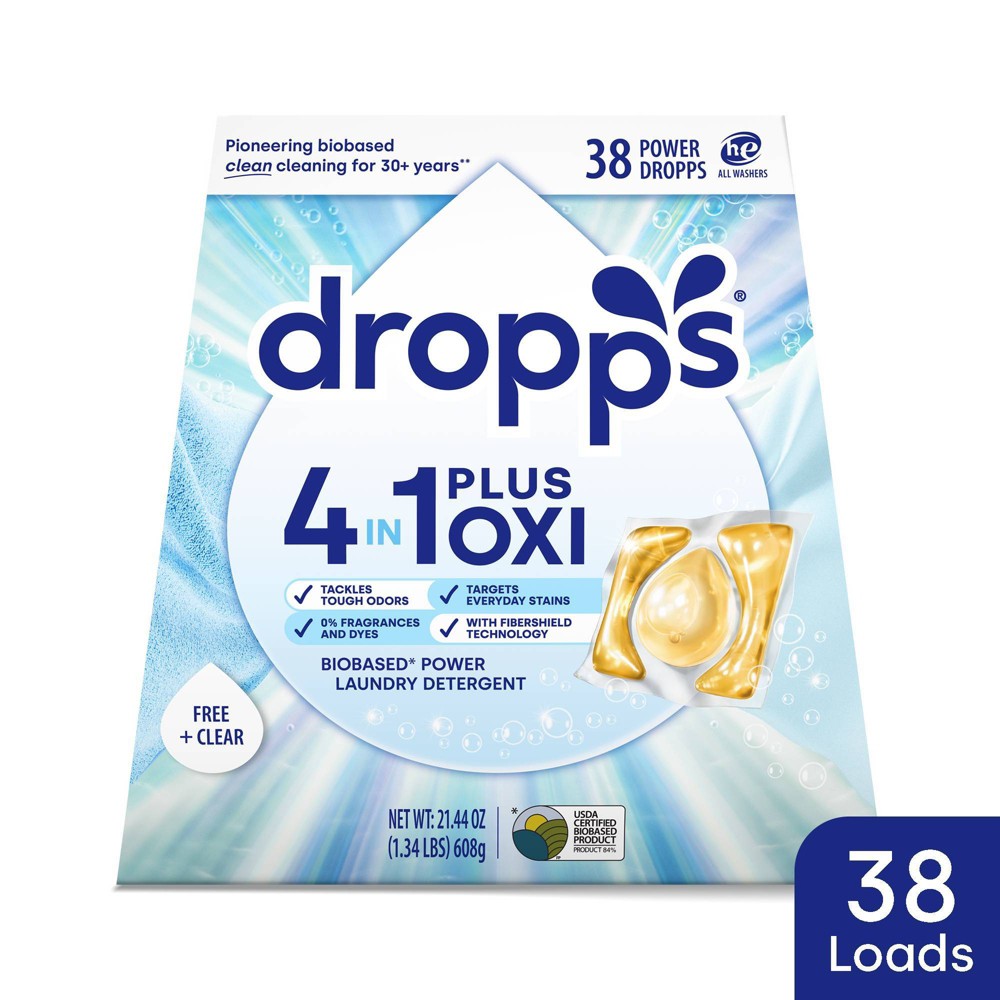


Cleancult Laundry Detergent Sheets Free & Clear 60 loads
Analysis updated September 2026 · How Scout scores
At a glance
Summary
This product features a predominantly plant-based formulation with ingredients like decyl glucoside and saponins, which are gentle and biodegradable. While it contains sodium coco-sulfate, which can be mildly irritating, the overall ingredient list is eco-friendly and lacks harsh chemicals like synthetic fragrances or phosphates, making it suitable for sensitive use and environmentally conscious consumers.
Key ingredients 14
Decyl GlucosideGood
Decyl Glucoside is a mild, non-ionic surfactant derived from glucose and coconut oil. It is known for being gentle on the skin and biodegradable. It is often used in eco-friendly and sensitive skin formulations.
Risks
Very low risk of irritation, making it suitable for sensitive skin.
Benefits
Provides effective cleansing while being gentle and environmentally friendly.
SaponinsGood
Saponins are natural surfactants found in plants. They are known for their ability to create foam and cleanse effectively. They are biodegradable and considered safe for use.
Risks
Low risk of irritation; generally safe for use in cleaning products.
Benefits
Natural and biodegradable, providing effective cleansing without harsh chemicals.
Sodium Fatty Acid Methyl Ester SulfonateGood
This ingredient is a biodegradable surfactant derived from natural fats and oils. It is effective in removing dirt and grease. It is considered environmentally friendly.
Risks
Low risk of irritation; generally safe for use in cleaning products.
Benefits
Biodegradable and effective at cleaning, making it a preferred choice for eco-friendly formulations.
Potassium CocoateGood
Potassium Cocoate is a soap derived from coconut oil. It is a mild surfactant that is biodegradable and considered safe for use. It is often used in natural and eco-friendly cleaning products.
Risks
Low risk of irritation; generally safe for use.
Benefits
Provides effective cleansing while being gentle and environmentally friendly.
ProteaseGood
Protease is an enzyme that breaks down proteins, making it effective in removing protein-based stains. It is biodegradable and considered safe for use in cleaning products.
Risks
Low risk of irritation; generally safe for use.
Benefits
Enhances stain removal, particularly for protein-based stains like blood and food.
LipaseGood
Lipase is an enzyme that breaks down fats, aiding in the removal of greasy stains. It is biodegradable and safe for use in cleaning products.
Risks
Low risk of irritation; generally safe for use.
Benefits
Improves the removal of oily and greasy stains, enhancing overall cleaning performance.
MannanaseGood
Mannanase is an enzyme that breaks down mannans, which are found in many food stains. It is biodegradable and considered safe for use in cleaning products.
Risks
Low risk of irritation; generally safe for use.
Benefits
Effective in breaking down complex carbohydrates, improving stain removal.
Polyvinyl AlcoholNeutral
Polyvinyl Alcohol is a synthetic polymer used as a film-forming agent. It is generally considered safe for use in cleaning products. It is biodegradable under certain conditions.
Risks
Minimal risks when used in cleaning products; potential environmental concerns if not properly disposed.
Benefits
Helps in forming a stable film, aiding in the delivery of active ingredients.
WaterNeutral
Water is used as a solvent and carrier for other ingredients. It is essential for dissolving and distributing active components in cleaning products. It is safe and non-toxic.
Benefits
Acts as a universal solvent, facilitating the action of other ingredients.
Laureth-7Neutral
Laureth-7 is a surfactant and emulsifier used in cleaning products. It helps to mix oil and water-based ingredients. It is considered milder than sodium lauryl sulfate.
Risks
Potential for mild skin irritation; concerns about 1,4-dioxane contamination during manufacturing.
Benefits
Effective in reducing surface tension, aiding in the cleaning process.
Sodium CarbonateNeutral
Standard formulation ingredient — neither beneficial nor harmful at typical use.
Risks
Can cause skin irritation in concentrated forms; generally safe in formulated products.
Benefits
Improves cleaning efficiency by softening water and enhancing detergent performance.
GlycerinNeutral
Standard formulation ingredient — neither beneficial nor harmful at typical use.
Risks
Minimal risks; generally recognized as safe.
Benefits
Helps to maintain moisture balance and improve product stability.
Sodium CitrateNeutral
Standard formulation ingredient — neither beneficial nor harmful at typical use.
Risks
Minimal risks; generally recognized as safe.
Benefits
Helps to improve cleaning efficiency by softening water and stabilizing pH levels.
Sodium Coco-SulfateBad
Sodium Coco-Sulfate is a surfactant derived from coconut oil. It is similar to sodium lauryl sulfate but considered slightly milder. However, it can still be irritating to the skin and eyes.
Risks
Potential skin and eye irritation, especially for sensitive individuals.
Benefits
Effective at removing dirt and oils due to its surfactant properties.
Get the full breakdown in the Scout appTake Scout shopping
Scan any product to see lab results, healthy alternatives, and your personalized analysis.
Download on theApp Store GET IT ONGoogle Play