

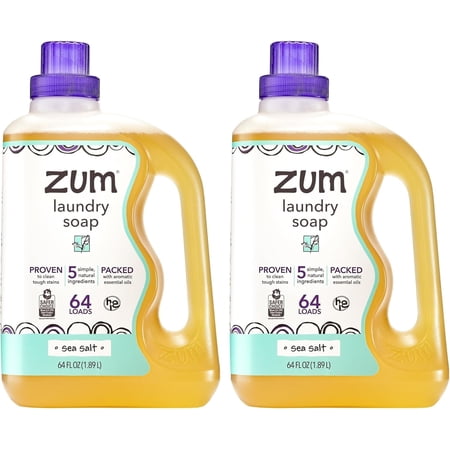
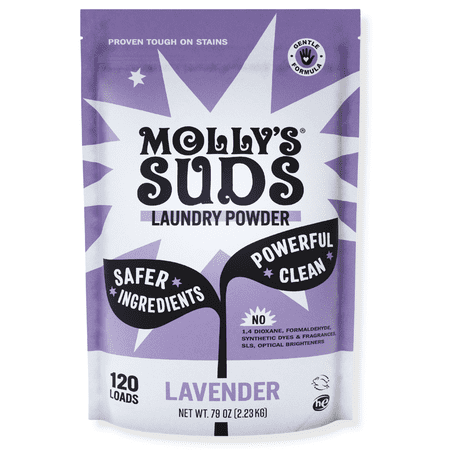
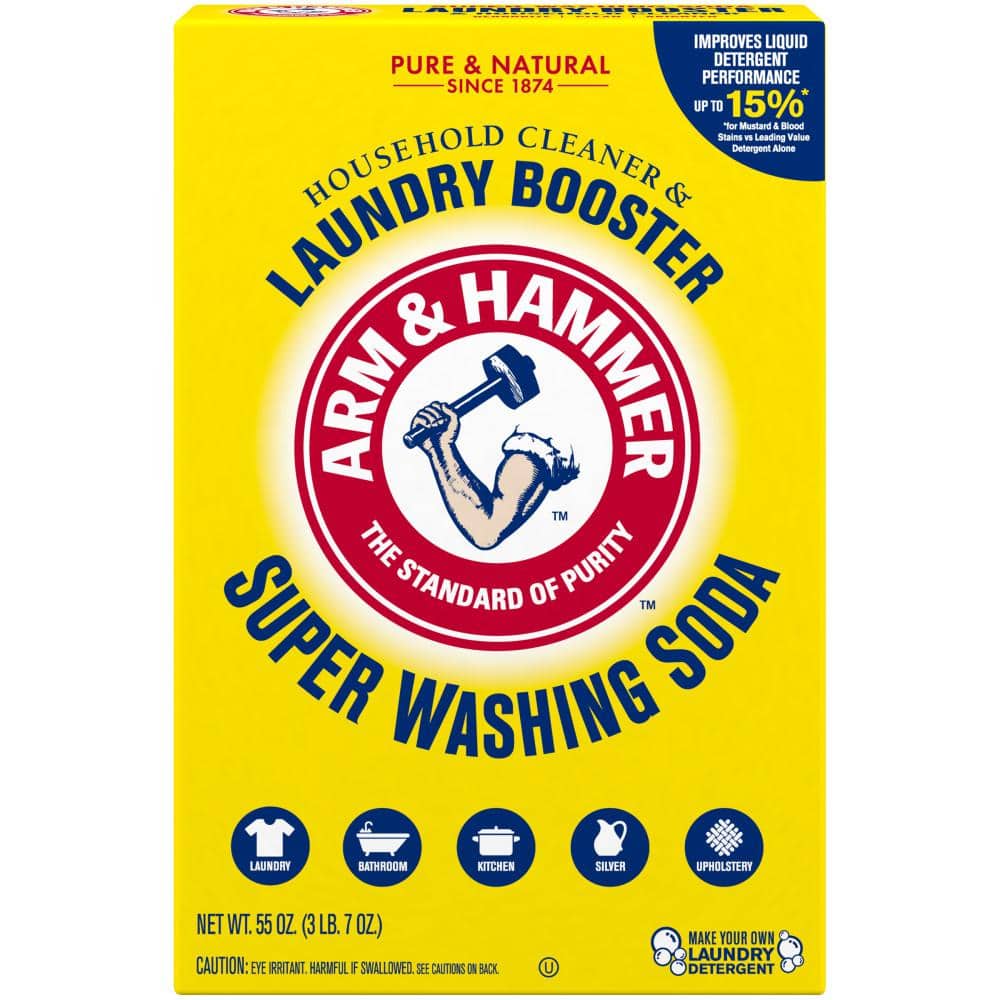
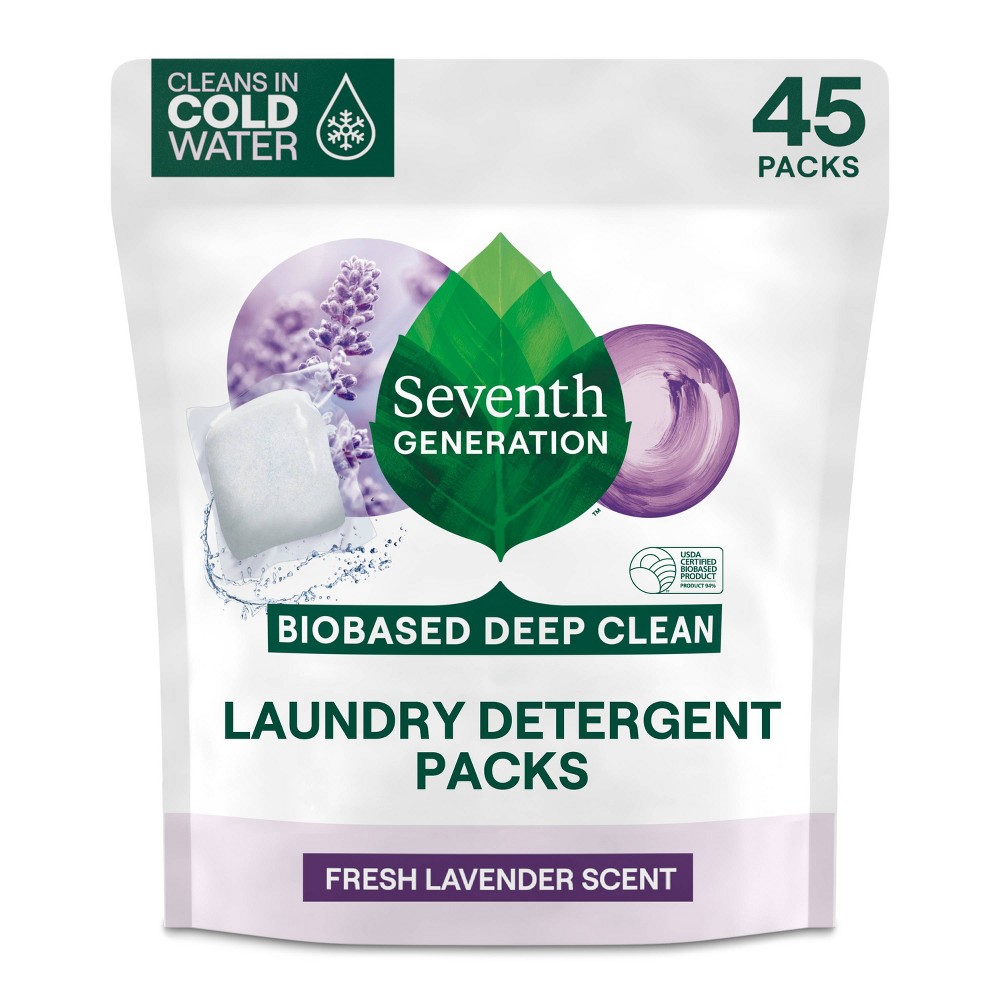
Eco Max Laundry Wash Natural Lavender 101 Fo (Pack Of 4)
Analysis updated August 2026 · How Scout scores
At a glance
Summary
This laundry wash features a formulation with plant-derived ingredients like decyl glucoside and lavender oil, which are gentle and biodegradable. The absence of harsh chemicals such as SLS, synthetic fragrances, and phosphates contributes to its safety for indoor use and minimal environmental impact. The inclusion of natural components like citric acid further enhances its eco-friendly profile, making it a top-tier choice in the category.
Key ingredients 11
Decyl GlucosideGood
Decyl glucoside is a mild, plant-derived surfactant. It is known for being gentle on the skin and biodegradable. It is often used in eco-friendly cleaning products.
Risks
There are minimal risks associated with decyl glucoside, though it may cause mild irritation in sensitive individuals.
Benefits
It is a gentle and effective surfactant that is environmentally friendly.
Lavandula Angustifolia (Lavender) OilGood
Lavender oil is a natural essential oil known for its pleasant fragrance and antimicrobial properties. It is used in cleaning products for its scent and potential antibacterial effects. It is generally considered safe when used appropriately.
Risks
In rare cases, lavender oil can cause skin irritation or allergic reactions.
Benefits
It provides a natural fragrance and may offer antimicrobial benefits.
WaterNeutral
Water is a universal solvent used in many cleaning products. It helps dissolve other ingredients and facilitates the cleaning process. It is generally considered safe and non-toxic.
Risks
There are no significant risks associated with water in cleaning products.
Benefits
Water is essential for dissolving and distributing other ingredients effectively.
Sodium CarbonateNeutral
Sodium carbonate, also known as washing soda, is used to soften water and enhance cleaning efficiency. It is a common ingredient in laundry detergents. It is generally safe when used as directed.
Risks
In high concentrations, it can cause skin irritation or respiratory issues if inhaled.
Benefits
It helps improve the cleaning power of detergents by softening water.
Citric AcidNeutral
Common acidulant and preservative — safe at typical use levels, neither beneficial nor harmful.
Risks
Citric acid can cause mild skin irritation in sensitive individuals.
Benefits
It is effective in breaking down mineral deposits and enhancing cleaning power.
HydroxyethylcelluloseNeutral
Hydroxyethylcellulose is a thickening agent derived from cellulose. It is used to improve the texture and stability of cleaning products. It is generally considered safe and non-toxic.
Risks
There are minimal risks associated with hydroxyethylcellulose.
Benefits
It helps stabilize and thicken formulations without harmful effects.
CelluloseNeutral
Cellulose is a natural polymer derived from plant fibers. It is used as a thickener and stabilizer in cleaning products. It is biodegradable and considered safe for use.
Risks
There are no significant risks associated with cellulose in cleaning products.
Benefits
It provides stability and thickness to formulations without environmental harm.
Xanthan GumNeutral
Xanthan gum is a polysaccharide used as a thickening agent. It is derived from natural sources and is biodegradable. It is commonly used in both food and cleaning products.
Risks
Xanthan gum may cause mild irritation if inhaled in powder form.
Benefits
It helps improve the texture and stability of products.
Sodium CitrateNeutral
Sodium citrate is a salt derived from citric acid. It is used as a water softener and pH adjuster in cleaning products. It is biodegradable and considered safe for use.
Risks
There are minimal risks associated with sodium citrate.
Benefits
It helps enhance the cleaning efficiency by softening water.
Potassium SorbateBad
Synthetic preservative — flagged in daily-use products.
Risks
In high concentrations, it may cause skin irritation.
Benefits
It helps extend the shelf life of products by preventing microbial growth.
Sodium BenzoateBad
Synthetic preservative that can form benzene in the presence of vitamin C.
Risks
In rare cases, it may cause skin irritation or allergic reactions.
Benefits
It helps maintain product stability by preventing spoilage.
Processing
Unprocessed or Minimally Processed Foods
Get the full breakdown in the Scout appTake Scout shopping
Scan any product to see lab results, healthy alternatives, and your personalized analysis.
Download on theApp Store GET IT ONGoogle PlayAmazon pricing & content
Amazon price as of . Product prices and availability are accurate as of the date/time indicated and are subject to change. Any price and availability information displayed on Amazon.com at the time of purchase will apply to the purchase of this product.
CERTAIN CONTENT THAT APPEARS ON THIS SITE COMES FROM AMAZON. THIS CONTENT IS PROVIDED “AS IS” AND IS SUBJECT TO CHANGE OR REMOVAL AT ANY TIME.