
Ingredient
Polyvinyl Alcohol
What is Polyvinyl Alcohol?
Polyvinyl alcohol is a synthetic, water-soluble polymer made by polymerizing vinyl acetate into polyvinyl acetate and then reacting it with an alcohol (a process called hydrolysis) to convert it into the final alcohol-based plastic. It's not found in nature — it's manufactured industrially and sold as resin pellets, powders, or thin films.
Its main appeal is that it dissolves in water on cue, so it's used to make dissolvable films for laundry and dishwasher pods, peel-off face masks, and quick-dissolving capsule or tablet coatings in supplements. In food and supplement contexts it's approved as a glazing/coating agent at low levels because very little is absorbed by the body and what is absorbed is largely excreted; the safety concern that gets more attention is environmental — how completely these films actually biodegrade once they wash down the drain, since 'water-soluble' isn't the same as 'fully broken down.'
On a label you'll typically see it listed as 'Polyvinyl Alcohol' or 'PVA' inside pod-style products, some peel-off cosmetic films, and as a coating on tablets or capsules; on its own it isn't something most people need to avoid, but its presence usually signals a dissolvable-film format rather than a nutrition or skin-benefit ingredient.
Commonly found in: dissolvable laundry and dishwasher pods, peel-off face masks, tablet and capsule coatings, water-soluble packaging films, some craft and glue products
What to watch
- Emerging research on laundry/dishwasher pod films suggests a meaningful fraction may not fully biodegrade in typical wastewater treatment, raising questions about microplastic-like residues.
- Accidental ingestion or eye/skin contact with concentrated detergent pod contents (not the polymer film itself) has caused poisoning incidents, mostly in young children.
- Data on very high or repeated dermal exposure from cosmetic films is limited.
Benefits
- Dissolves predictably in water, allowing pre-measured, mess-free single-dose formats for detergents and supplements.
- Approved by regulators as a food/supplement-grade coating at low use levels with minimal systemic absorption.
- Forms flexible, low-odor films used in peel-off masks and capsule shells without needing gelatin.
FDA permits polyvinyl alcohol as an indirect food additive and as a coating/glazing agent for foods and dietary supplements, generally recognizing it as safe at specified low levels.
Toxicology studies show low oral and dermal absorption with no strong evidence of harm at typical use levels, but a growing body of environmental research questions how completely PVA films biodegrade in real-world wastewater systems.
Polyvinyl alcohol is fully synthetic (petrochemical-derived), so it's considered vegan and vegetarian by essentially all standards.
Sources: CFR Title 21 – Polyvinyl Alcohol as Indirect Food Additive · Biodegradability of polyvinyl alcohol based laundry detergent sheets · Polyvinyl Alcohol Safety Data and Uses
Scout's take
Polyvinyl alcohol is used as a water-soluble film for detergent pods. It dissolves in water, releasing the detergent. It is generally considered safe and non-toxic.
The case against
The case for
Provides a convenient, water-soluble packaging for detergent pods.
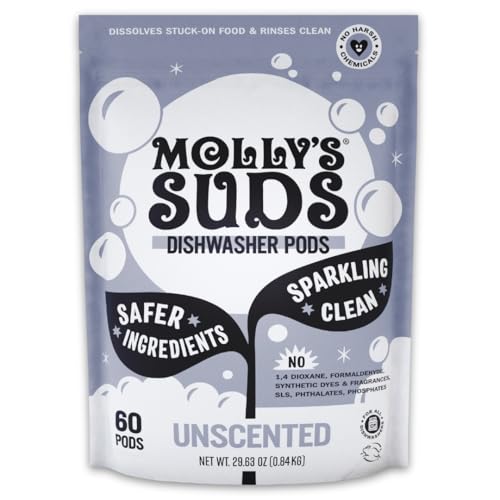
from the analysis of Molly's Suds Dishwasher Pods | Natural Dishwasher Detergent Cuts Grease & Rinses Clean (Residue-Free) for Sparkling Dishes | 60 Auto-Release Tabs (Unscented)Found in 1 product
Scan any product to see every ingredient explained — and healthier swaps.
Download on theApp Store GET IT ONGoogle Play