
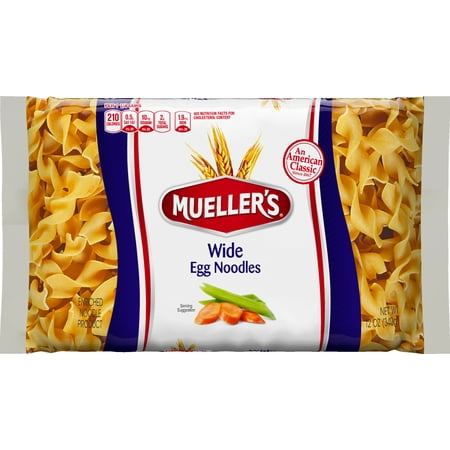


WIDE EGG NOODLE, ENRICHED NOODLE PRODUCTS
Analysis updated August 2026 · How Scout scores
At a glance
Summary
This product contains enriched durum wheat flour and eggs, which provide some nutritional benefits, including protein and essential vitamins. However, the inclusion of soybean oil, a highly processed seed oil, is a significant concern due to its potential inflammatory effects. The product's processing level further limits its healthiness, as it is not minimally processed.
Key ingredients 5
EggsGood
Eggs are a high-quality protein source containing essential amino acids. They provide important nutrients like choline and vitamin D. The inclusion of eggs enhances the nutritional value of pasta by adding protein and healthy fats.
Risks
May cause allergic reactions in individuals with egg allergies.
Benefits
Rich in high-quality protein and essential nutrients, supporting muscle maintenance and overall health.
Durum Wheat SemolinaNeutral
Durum wheat semolina is a coarse flour made from durum wheat, high in protein and gluten. It is commonly used in pasta products for its firm texture. While it provides energy and some nutrients, it lacks the fiber and micronutrients found in whole grains.
Risks
May cause allergic reactions in individuals with wheat or gluten sensitivities.
Benefits
Provides a good source of energy and protein, contributing to the structure and texture of pasta.
Durum Wheat FlourNeutral
Durum wheat flour is a refined flour enriched with iron and B vitamins. It is used to improve the nutritional profile of pasta products. However, it lacks the fiber content of whole grain flours.
Risks
Potential allergen for those with wheat or gluten intolerance.
Benefits
Enrichment with iron and B vitamins helps prevent deficiencies and supports metabolic functions.
WaterNeutral
Water is used as a basic ingredient in pasta production to hydrate the flour and form dough. It is essential for the mixing and kneading process. Water itself does not provide nutritional value but is crucial for the texture and consistency of the final product.
Benefits
Essential for the dough formation process, contributing to the texture of the pasta.
Soybean OilVery Bad
Soybean oil is a seed oil high in omega-6 fatty acids, which can promote inflammation if consumed in excess. It is often highly processed and refined. The use of soybean oil in foods is controversial due to its potential health impacts.
Risks
High omega-6 content may promote inflammation when consumed in excess.
Processing
Processed Foods
Get the full breakdown in the Scout appTake Scout shopping
Scan any product to see lab results, healthy alternatives, and your personalized analysis.
Download on theApp Store GET IT ONGoogle PlayAmazon pricing & content
Amazon price as of . Product prices and availability are accurate as of the date/time indicated and are subject to change. Any price and availability information displayed on Amazon.com at the time of purchase will apply to the purchase of this product.
CERTAIN CONTENT THAT APPEARS ON THIS SITE COMES FROM AMAZON. THIS CONTENT IS PROVIDED “AS IS” AND IS SUBJECT TO CHANGE OR REMOVAL AT ANY TIME.