
Ingredient
Durum Wheat Semolina
What is Durum Wheat Semolina?
Durum wheat semolina is made from Durum wheat, a hard variety of spring wheat. It is coarsely ground to form semolina, commonly used in pasta, couscous, and breadmaking.
This ingredient provides a high protein content, particularly gluten, which contributes to the firm texture of pasta. While opinions on gluten consumption are mixed, it is generally well-tolerated by people without celiac disease or gluten sensitivity.
Consumers may see durum wheat semolina listed on labels for products such as pasta and baked goods. It signifies the use of a specific type of wheat that yields a distinct texture and cooking quality.
Commonly found in: Pasta, Couscous, Bread, Pastries, Cakes
What to watch
- Contains gluten, which can cause adverse reactions in individuals with celiac disease or gluten sensitivity.
Benefits
- High in protein, contributing to the structural integrity of pasta products.
- Rich in essential nutrients such as B vitamins, iron, and magnesium.
Durum wheat semolina is generally recognized as safe (GRAS) by the FDA for use in food products.
Research supports its nutritional benefits but highlights gluten as a potential issue for sensitive individuals.
Durum wheat semolina is plant-derived and therefore generally considered vegan.
Sources: Food Additive Status List
Scout's take
Standard formulation ingredient — neither beneficial nor harmful at typical use.
More from Scout's analyses
Durum wheat semolina is a coarse flour made from durum wheat, commonly used in pasta. It is minimally processed and retains some of the wheat's natural nutrients. However, it lacks the complete amino acid profile found in animal-based proteins.
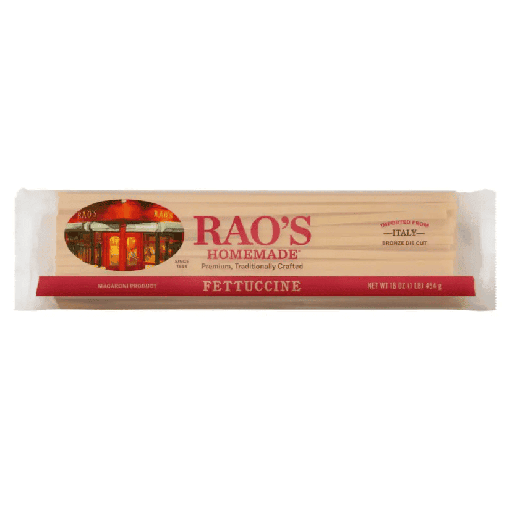
from the analysis of Rao's Homemade FettuccineFound in 5 products
Scan any product to see every ingredient explained — and healthier swaps.
Download on theApp Store GET IT ONGoogle Play