


At a glance
Summary
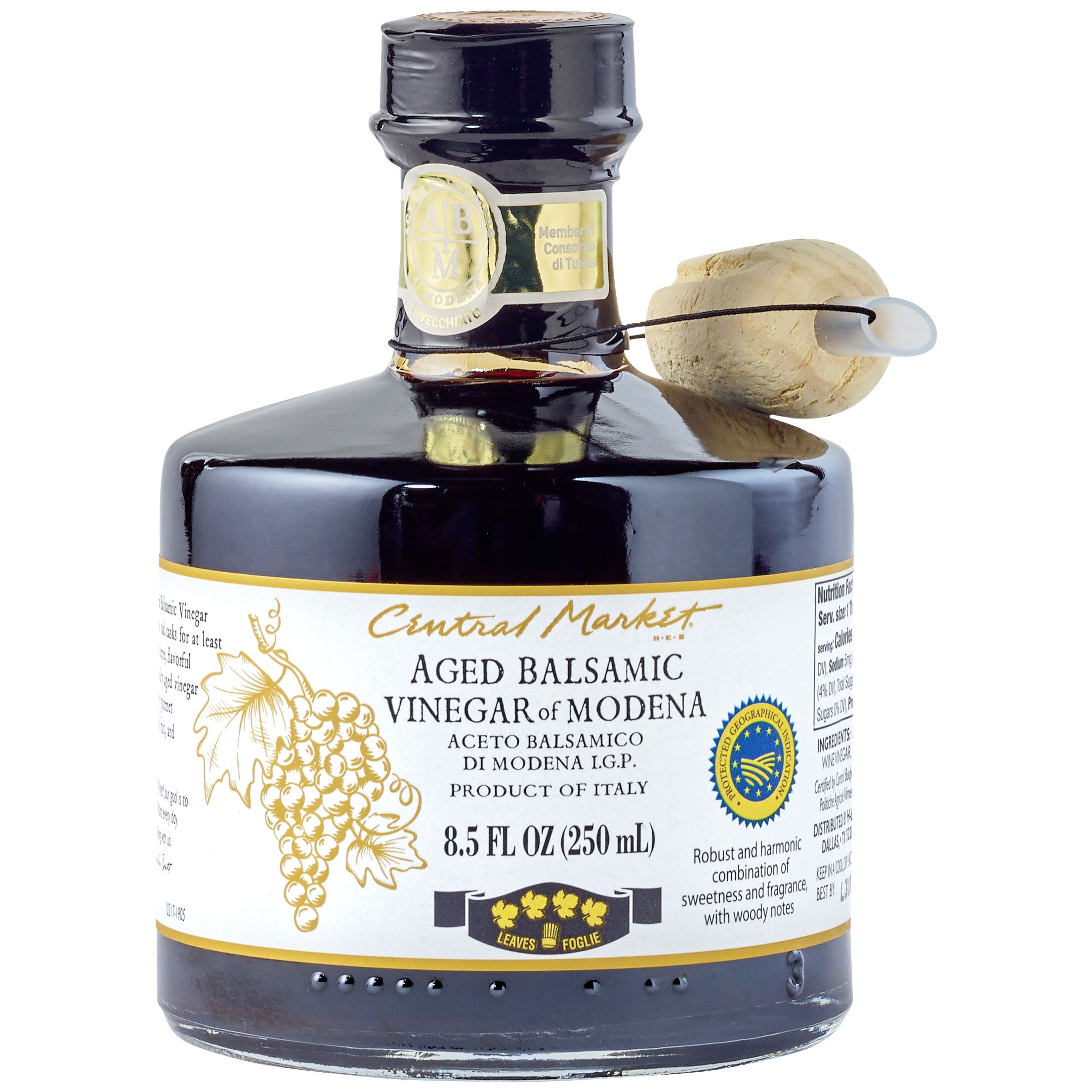
Balsamic vinegar is a processed culinary ingredient made from wine vinegar and cooked grape must, which are both relatively simple and natural components. The product is minimally processed, with no artificial additives or preservatives, and the ingredients are derived from whole foods. The high sugar content is inherent to the grape must, but the overall ingredient quality and minimal processing contribute positively to its score.
Key ingredients 2
Wine vinegarNeutral
Wine vinegar is a fermented product that provides acidity and flavor to foods. It is made through the fermentation of wine, which converts alcohol into acetic acid. This ingredient is generally considered neutral in terms of health impact.
Benefits
Provides acidity that can enhance the flavor of dishes and may aid in digestion.
Cooked grape mustNeutral
Cooked grape must is a concentrated grape juice that is used to add sweetness and flavor to balsamic vinegar. It is made by cooking down grape juice to concentrate its sugars and flavors. This ingredient is generally considered neutral as it is a traditional component of balsamic vinegar.
Risks
High sugar content may be a concern for those monitoring sugar intake.
Benefits
Adds natural sweetness and complexity to balsamic vinegar, enhancing its flavor profile.
Processing
Processed Culinary Ingredients
Get the full breakdown in the Scout appTake Scout shopping
Scan any product to see lab results, healthy alternatives, and your personalized analysis.
Download on theApp Store GET IT ONGoogle Play