

Lemonade Electrolyte Beverage
Summary
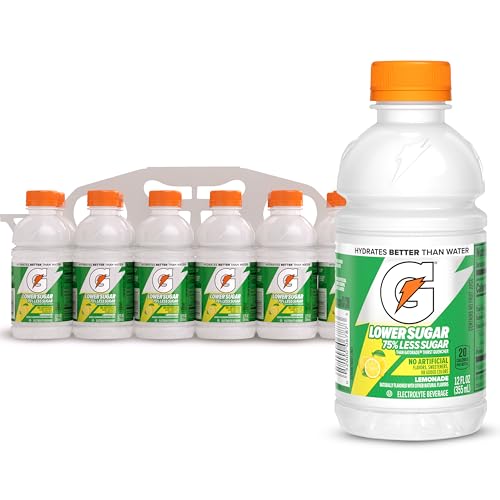
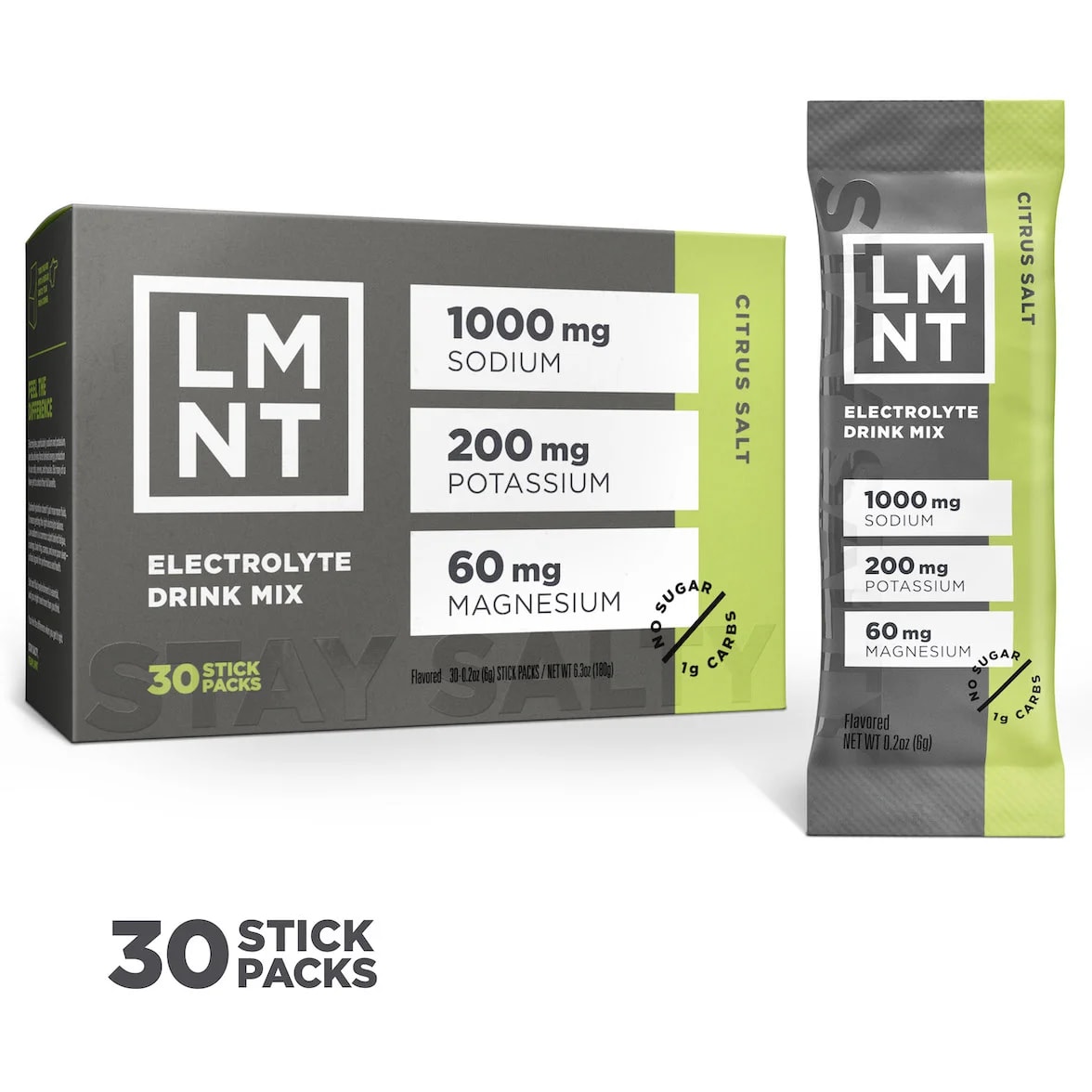
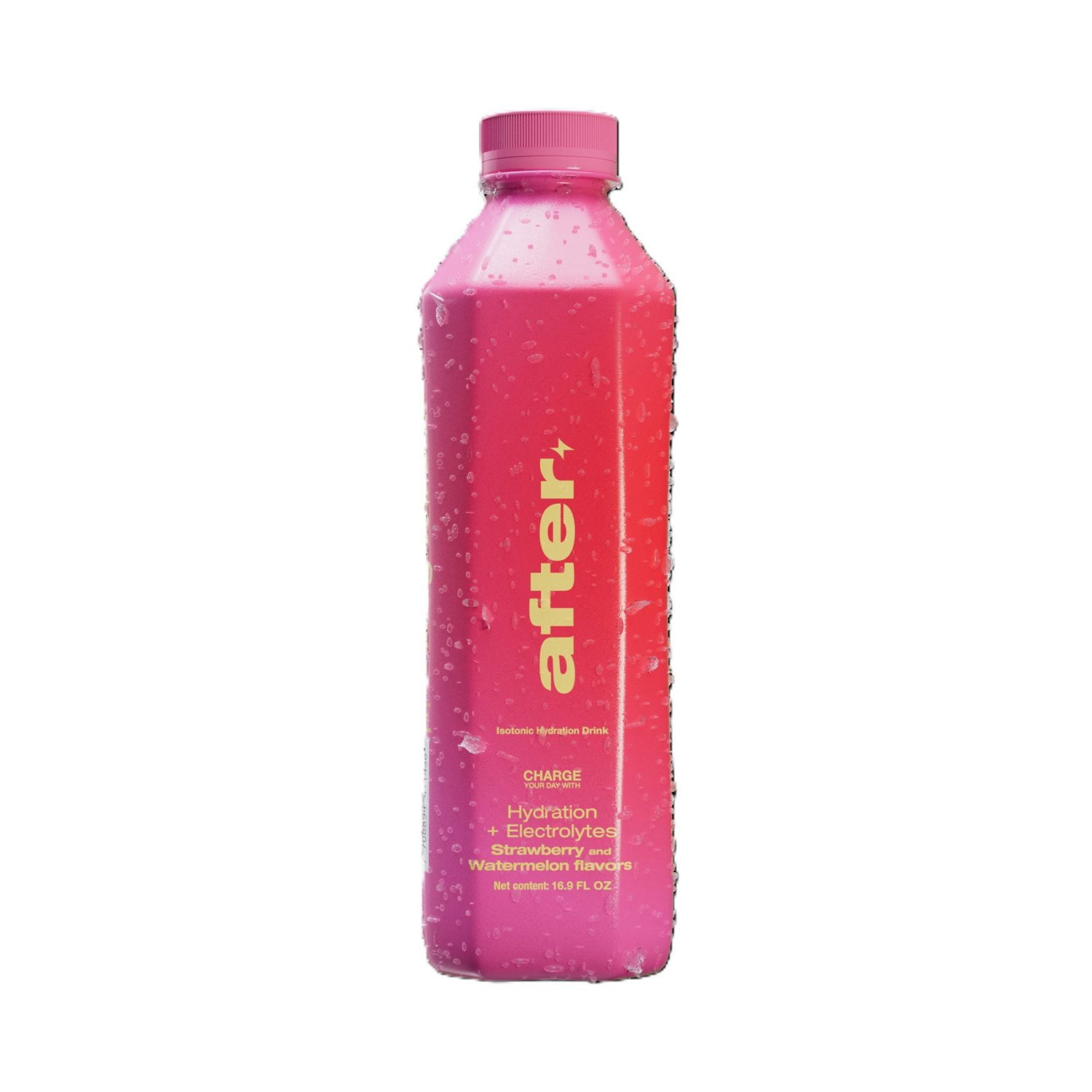
This lemonade electrolyte beverage is moderately processed and contains added sugar and natural flavors, which are considered less desirable due to their contribution to added sugars and lack of transparency. While it provides electrolytes, the presence of these ingredients and the processing level limit its overall healthiness. The product's sugar content is not excessive, but the use of vague flavoring agents detracts from its score.
At a glance
Key ingredients 9
WaterNeutral
Water is a neutral ingredient that serves as the base for the beverage. It is essential for hydration but does not provide additional nutritional benefits. The quality of water can vary based on source and treatment, but no significant concerns are noted here.
See more about Water →SugarBad
Sugar is classified as a bad ingredient due to its contribution to added sugars in the diet. Excessive consumption of added sugars can lead to health issues such as obesity and diabetes. In beverages, sugar is often used to enhance flavor but provides no essential nutrients.
Risks
High intake of added sugars is associated with increased risk of obesity, type 2 diabetes, and heart disease.
Citric AcidNeutral
Citric acid is a neutral ingredient used as a preservative and to add tartness to beverages. It is naturally found in citrus fruits and is generally recognized as safe. In processed foods, it helps maintain stability and flavor.
Risks
Excessive consumption may cause dental erosion or gastrointestinal discomfort.
Sodium CitrateNeutral
Sodium citrate is a neutral ingredient used to regulate acidity and enhance flavor. It is a salt of citric acid and is commonly used in beverages for its buffering properties. It is generally recognized as safe in moderate amounts.
Risks
High intake may contribute to sodium overload, potentially affecting blood pressure.
SaltNeutral
Salt is a neutral ingredient that enhances flavor and acts as a preservative. It is essential for bodily functions but should be consumed in moderation to avoid health issues. In beverages, it can help replenish electrolytes.
Risks
Excessive salt intake can lead to hypertension and cardiovascular diseases.
Benefits
Provides essential sodium for electrolyte balance.
Monopotassium PhosphateNeutral
Monopotassium phosphate is a neutral ingredient used as a source of potassium and a buffering agent. It helps maintain pH levels in beverages and provides potassium, an essential mineral. It is generally recognized as safe in food applications.
Risks
Excessive intake may lead to imbalances in mineral levels, affecting kidney function.
Benefits
Provides potassium, which is important for muscle function and electrolyte balance.
Gum ArabicNeutral
Gum arabic is a neutral ingredient used as a stabilizer and thickener in beverages. It is a natural gum derived from the sap of acacia trees and is generally recognized as safe. It helps improve texture and consistency in liquid products.
Benefits
May aid in digestion and provide dietary fiber.
Purified Stevia Leaf ExtractNeutral
Purified stevia leaf extract is a neutral ingredient used as a natural sweetener. It is derived from the stevia plant and provides sweetness without calories. It is considered safe and does not impact blood sugar levels.
Benefits
Offers a zero-calorie alternative to sugar, beneficial for weight management.
Natural FlavorBad
Natural flavor is classified as a bad ingredient due to its vague labeling and potential for containing various additives. It is used to enhance taste but lacks transparency about its composition. The term 'natural' does not guarantee the absence of synthetic processing.
Risks
Potential for undisclosed additives and allergens, leading to consumer confusion.
Processing
Processed Foods
Get the full breakdown in the Scout app
Scan any product to see lab results, healthy alternatives, and your personalized analysis.
Download on theApp Store