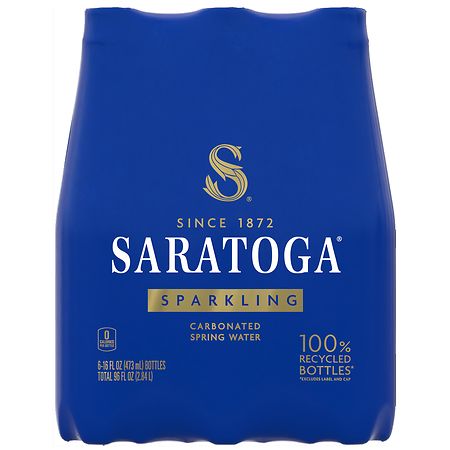
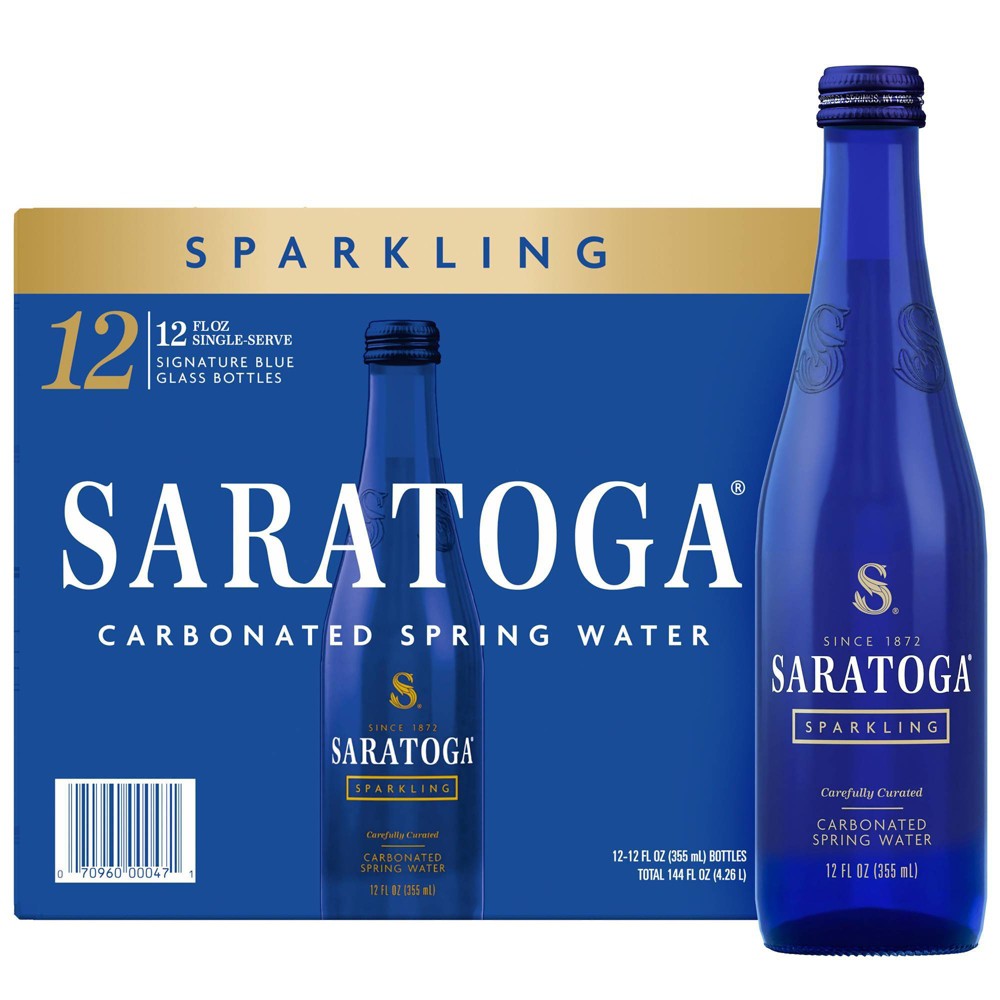
PURIFIED WATER

At a glance
Summary
This purified water product includes added minerals like calcium chloride and sodium bicarbonate, which are generally safe but indicate some level of processing beyond natural water sources. The absence of harmful contaminants is positive, but the lack of transparency regarding PFAS testing and the use of municipal water sources can impact the overall perception of purity and quality.
Key ingredients 3
Purified waterNeutral
Purified water is primarily classified as neutral due to its lack of nutrients or harmful substances. It undergoes processing to remove impurities, ensuring safety and cleanliness. The purification process typically involves filtration and distillation, which do not add any beneficial nutrients.
See more about Purified water →Calcium chlorideNeutral
Calcium chloride is used to add calcium ions to water, which can enhance taste and mineral content. It is generally recognized as safe when used in small amounts in food and beverages. However, it does not provide significant nutritional benefits in the context of bottled water.
Risks
Excessive consumption may lead to hypercalcemia, but this is unlikely in typical bottled water usage.
Benefits
It can slightly improve the mineral content of water, contributing to taste and minor calcium intake.
Sodium bicarbonateNeutral
Sodium bicarbonate is added to water to regulate pH levels and improve taste. It is a common additive in bottled water and is considered safe in small quantities. While it can help neutralize acidity, it does not offer significant health benefits in this context.
Benefits
It can enhance the taste of water by balancing pH levels.
Processing
Unprocessed or Minimally Processed Foods
Get the full breakdown in the Scout appTake Scout shopping
Scan any product to see lab results, healthy alternatives, and your personalized analysis.
Are you 7-Eleven Inc.? Fix an error Get the badge Get tested