
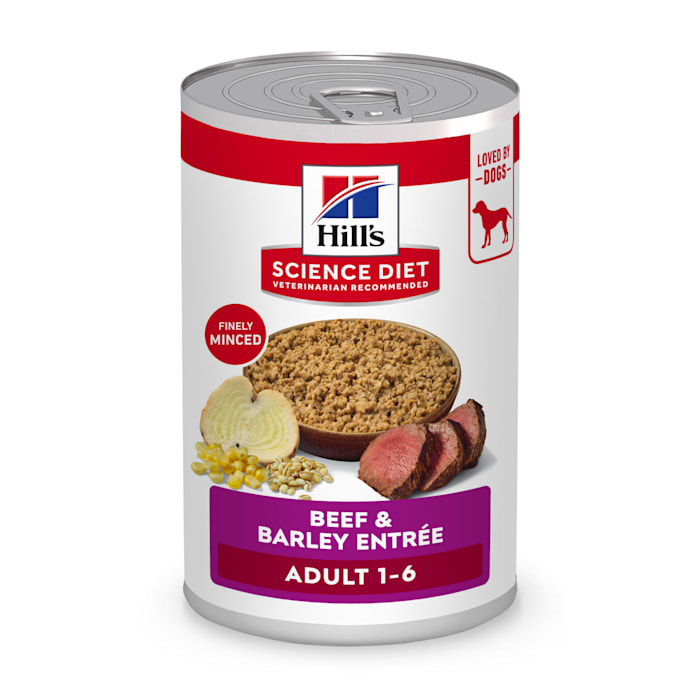
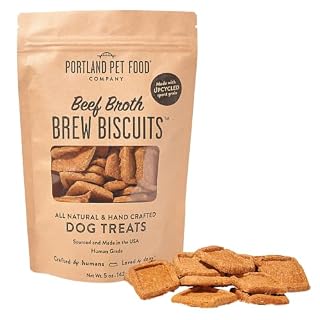
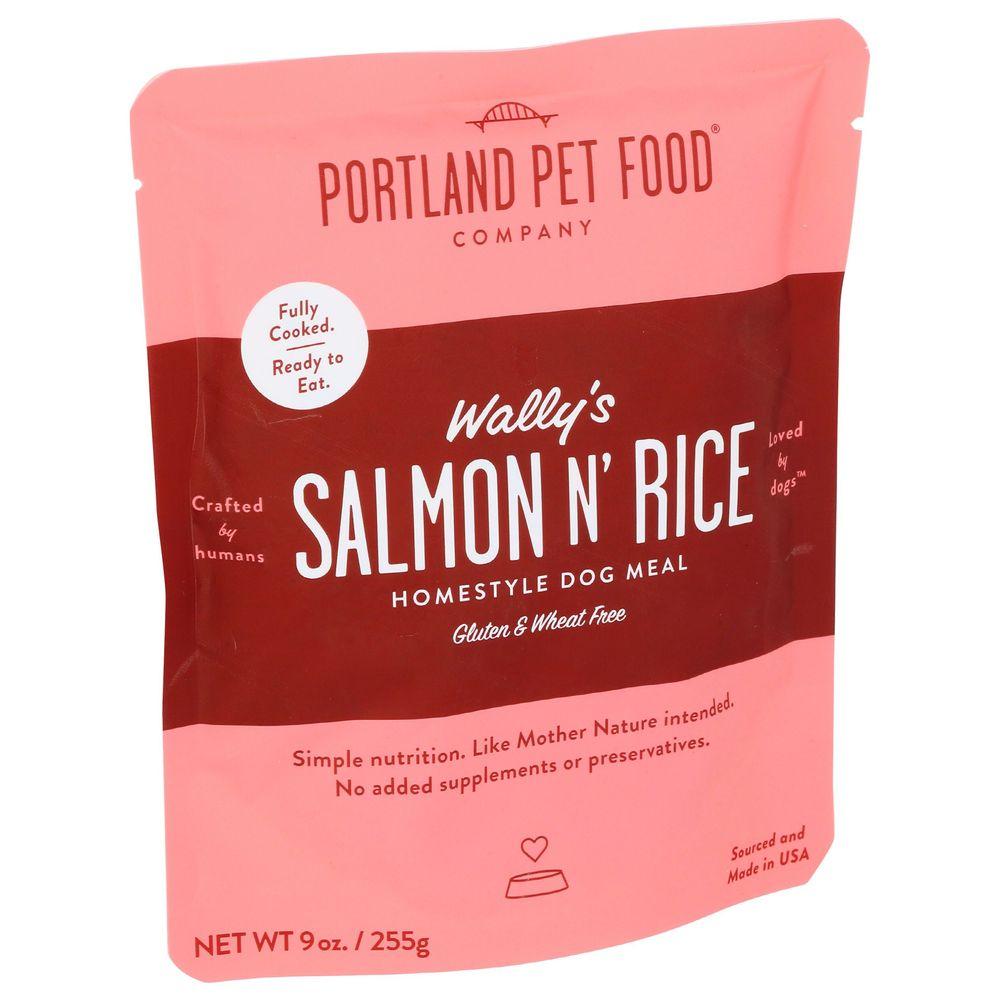
Hill's Science Diet Adult Beef & Barley Entree Wet Dog Food, 13 Oz.
Analysis updated August 2026 · How Scout scores
At a glance
Summary
This dog food contains beneficial ingredients like beef, pork liver, and chicken fat, which provide essential nutrients and support overall health. However, the presence of soybean oil, a seed oil, and the ultra-processed nature of the product limit its score. The inclusion of whole grains and a vitamin and mineral blend are positive aspects, but the processing level and use of certain additives prevent a higher rating.
Key ingredients 17
BeefGood
Beef is a high-quality source of protein and essential amino acids for dogs. It supports muscle maintenance and overall health. The quality of beef can vary, but it generally provides important nutrients.
Risks
Potential for allergies in some dogs sensitive to beef.
Benefits
Rich in protein and essential nutrients that support muscle health and energy levels.
Pork LiverGood
Pork liver is a nutrient-dense organ meat providing vitamins and minerals. It is a good source of vitamin A and iron, supporting vision and blood health. Organ meats are beneficial in moderation.
Risks
Excessive consumption can lead to vitamin A toxicity.
Benefits
Provides essential vitamins and minerals, enhancing the nutritional profile of the food.
Cracked Pearled BarleyGood
Cracked pearled barley is a whole grain providing fiber and essential nutrients. It supports digestive health and provides a steady energy source. Barley is less allergenic compared to other grains.
Benefits
Rich in fiber, supporting healthy digestion and providing sustained energy.
Dried Beet PulpGood
Dried beet pulp is a source of fiber that aids in digestion. It is a by-product of sugar beet processing but retains beneficial fiber content. It supports gut health and regular bowel movements.
Benefits
Enhances digestive health by providing fiber that supports gut flora.
Chicken FatGood
Chicken fat is a source of energy and essential fatty acids. It enhances flavor and supports skin and coat health. Rendered from chicken, it is a quality fat source for pets.
Benefits
Rich in essential fatty acids that promote healthy skin and a shiny coat.
VitaminsGood
The vitamin blend provides essential nutrients like vitamin E, B vitamins, and vitamin D3. These vitamins support immune function, energy metabolism, and bone health. Fortification ensures pets receive necessary micronutrients.
Benefits
Enhances the nutritional profile by providing essential vitamins for overall health.
MineralsGood
The mineral blend includes zinc, iron, and copper, which are vital for various bodily functions. These minerals support immune health, oxygen transport, and enzymatic reactions. Fortification ensures balanced mineral intake.
Benefits
Provides essential minerals that support immune function and overall health.
Beta-CaroteneGood
Beta-carotene is a precursor to vitamin A, supporting vision and immune health. It acts as an antioxidant, protecting cells from damage. It is a beneficial addition to pet foods for its health-promoting properties.
Benefits
Supports vision and immune health through its role as a vitamin A precursor.
WaterNeutral
Water is used as a solvent and to provide moisture in wet dog food. It is essential for hydration and helps in mixing other ingredients. No significant processing concerns are associated with water.
Benefits
Provides necessary moisture content for the product, aiding in palatability and hydration.
Whole Grain CornNeutral
Whole grain corn is a source of carbohydrates and fiber. It provides energy and aids in digestion. While not as nutrient-dense as other grains, it is commonly used in pet foods.
Risks
Potential allergen for some dogs and may not be suitable for grain-sensitive pets.
Benefits
Offers carbohydrates for energy and fiber for digestive health.
Chicken Liver FlavorNeutral
Chicken liver flavor is used to enhance palatability. It mimics the taste of chicken liver without providing nutritional value. Flavorings are common in pet foods to improve taste.
Benefits
Improves the taste of the food, making it more appealing to pets.
Soybean OilNeutral
Soybean oil is a source of fat and omega-6 fatty acids. In pet food, it provides energy and supports skin and coat health. While often criticized in human diets, it is considered neutral in pet foods.
Risks
High omega-6 content may promote inflammation if not balanced with omega-3s.
Benefits
Provides essential fatty acids that support skin and coat health.
Calcium CarbonateNeutral
Calcium carbonate is used as a calcium supplement in pet foods. It supports bone health and proper muscle function. It is a common additive to ensure adequate calcium intake.
Risks
Excessive calcium can lead to health issues such as kidney stones.
Benefits
Provides essential calcium for bone and dental health.
Dicalcium PhosphateNeutral
Dicalcium phosphate is used to provide calcium and phosphorus. It supports bone health and metabolic functions. Commonly used in pet foods to balance mineral content.
Risks
Excessive intake can disrupt mineral balance and lead to health issues.
Benefits
Contributes to bone health by providing essential minerals.
Potassium ChlorideNeutral
Potassium chloride is used to provide potassium, an essential electrolyte. It supports nerve function and muscle contractions. It is a common additive to ensure adequate potassium levels.
Risks
Excessive potassium can lead to hyperkalemia, affecting heart function.
Benefits
Supports electrolyte balance and proper muscle function.
Choline ChlorideNeutral
Choline chloride is a source of choline, important for liver function and brain health. It is often added to pet foods to support cognitive function. Choline is an essential nutrient for pets.
Benefits
Supports brain health and liver function through choline supplementation.
Iodized SaltNeutral
Iodized salt provides sodium and iodine, essential for thyroid function. It is used to enhance flavor and ensure adequate iodine intake. Salt is necessary in moderation for metabolic processes.
Risks
Excessive salt intake can lead to hypertension and other health issues.
Benefits
Provides essential iodine for thyroid health and sodium for metabolic functions.
Processing
Ultra-Processed Foods
Get the full breakdown in the Scout appTake Scout shopping
Scan any product to see lab results, healthy alternatives, and your personalized analysis.
Download on theApp Store GET IT ONGoogle Play