
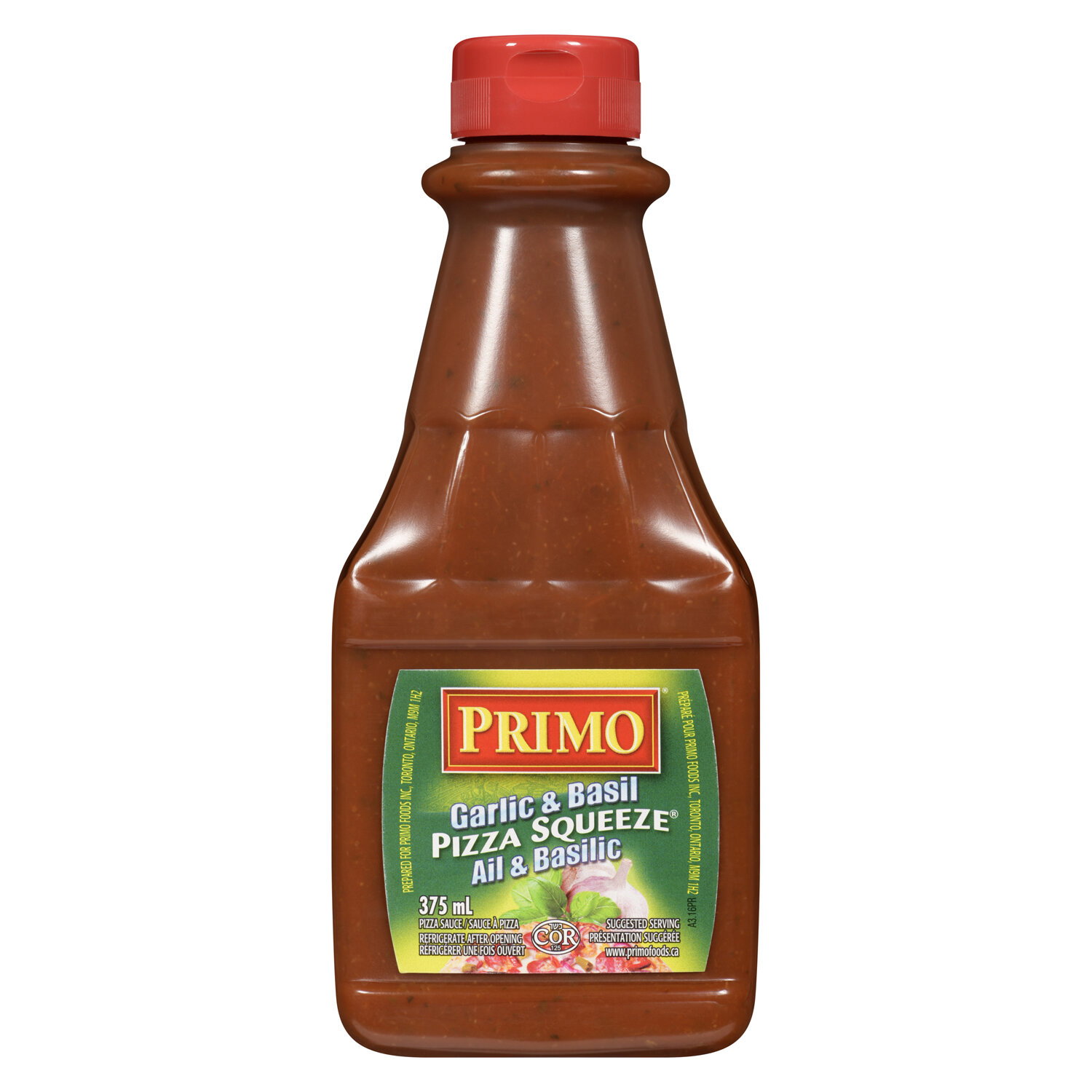

Garlic & Basil Pizza Squeeze
Summary
This product contains beneficial ingredients like crushed tomatoes, but is heavily processed with the inclusion of refined sugar, seed oils, and sodium benzoate, which are concerning for health. The presence of these ingredients, along with the moderate processing level, limits its overall healthiness despite some nutritional benefits.
At a glance
Key ingredients 12
WaterNeutral
Water is a neutral ingredient used as a base or solvent in many food products. It does not contribute any calories or nutrients. Its presence is essential for consistency and texture.
See more about Water →Crushed tomatoesGood
Crushed tomatoes are a minimally processed ingredient rich in vitamins and antioxidants. They provide lycopene, which is linked to reduced risk of certain diseases. The processing retains most of the nutritional benefits of fresh tomatoes.
Benefits
Rich in vitamins A and C, and lycopene, which may support heart health and reduce inflammation.
Tomato pasteNeutral
Tomato paste is a concentrated form of tomatoes, providing a rich source of flavor. It is high in lycopene, an antioxidant beneficial for health. The concentration process may reduce some vitamin content but retains key antioxidants.
Benefits
Provides a concentrated source of lycopene and enhances flavor without added sugars or fats.
SugarBad
Sugar is a refined carbohydrate that can contribute to increased calorie intake without providing essential nutrients. Excessive consumption is linked to obesity, diabetes, and heart disease. It is often used to enhance sweetness in processed foods.
Risks
High intake of sugar can lead to weight gain, increased risk of metabolic syndrome, and dental issues.
Soybean or canola oilVery Bad
Soybean and canola oils are seed oils high in omega-6 fatty acids, which can promote inflammation when consumed in excess. They are often highly processed and may contain trans fats. These oils are used for their neutral flavor and high smoke point.
Risks
High omega-6 content may promote inflammation and contribute to chronic diseases when consumed in excess.
Modified corn starchNeutral
Modified corn starch is used as a thickening agent in processed foods. It is chemically altered to improve stability and texture. While it provides no significant nutrients, it is generally recognized as safe for consumption.
See more about Modified corn starch →SaltNeutral
Salt is used to enhance flavor and preserve food. It is essential for bodily functions but should be consumed in moderation. Excessive intake can lead to hypertension and cardiovascular issues.
Risks
High sodium intake is associated with increased blood pressure and risk of heart disease.
Benefits
Essential for maintaining fluid balance and nerve function in the body.
Dehydrated onionNeutral
Dehydrated onion is used for flavoring and has a long shelf life. It retains some of the nutritional benefits of fresh onions, such as antioxidants. The dehydration process reduces water content, concentrating flavor.
Benefits
Provides flavor and some antioxidants, though less than fresh onions.
Dehydrated garlicNeutral
Dehydrated garlic is used for its strong flavor and long shelf life. It retains some beneficial compounds found in fresh garlic, such as allicin. The dehydration process concentrates flavor but may reduce some nutrients.
Benefits
Contains allicin, which may have antimicrobial and cardiovascular benefits.
SpicesNeutral
Spices are used to enhance flavor and may provide some health benefits due to their antioxidant properties. The specific spices used are not listed, making it difficult to assess their individual impacts. They are generally considered safe and beneficial in small amounts.
Benefits
May provide antioxidants and enhance flavor without adding calories.
Sodium benzoateBad
Sodium benzoate is a preservative used to prevent microbial growth in acidic foods. It is generally recognized as safe but can form benzene, a carcinogen, under certain conditions. Its use is common in processed foods to extend shelf life.
Risks
Potential formation of benzene, a carcinogen, when combined with ascorbic acid (vitamin C) under certain conditions.
Citric acidNeutral
Citric acid is used as a preservative and flavor enhancer in many foods. It is naturally found in citrus fruits and is generally recognized as safe. It helps maintain acidity and freshness in processed foods.
Benefits
May enhance flavor and preserve freshness without adding calories.
Processing
Processed Foods
Get the full breakdown in the Scout app
Scan any product to see lab results, healthy alternatives, and your personalized analysis.
Download on theApp Store